




A Solution Grown Under the Sun
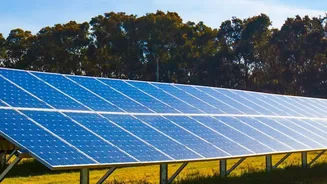
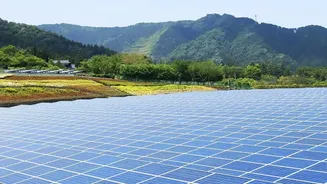
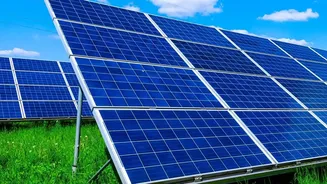
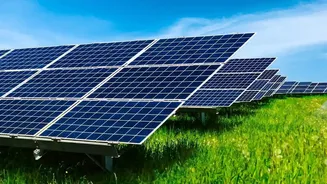
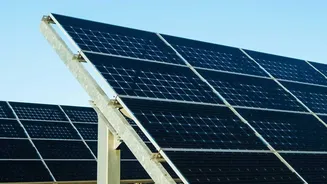
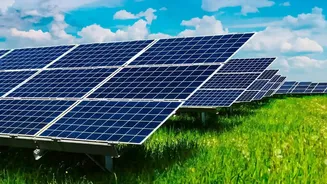
Imagine a farm where crops grow in the partial shade of solar panels mounted high above the ground. This is agrivoltaics, an innovative system where agriculture and photovoltaic (solar) energy generation coexist. Instead of competing for valuable land,
this dual-use approach creates a symbiotic relationship. The panels generate clean electricity, while the crops underneath benefit from a unique microclimate. This isn't just a futuristic concept; pilot projects are already showing significant promise across India, from Jodhpur to Parbhani. The core idea is to harvest sunlight twice: once for electricity and once for photosynthesis, potentially increasing the overall productivity of the land by up to 160% compared to using it for just one purpose.
The Shade and Water Nexus
The most significant benefit for a water-stressed country like India lies in how agrivoltaics impacts water use. The shade provided by the solar panels is the key. By partially covering the ground, the panels reduce direct exposure to the harsh sun, which in turn lowers soil temperature and significantly cuts down on evaporation. Research and field trials have demonstrated that this can lead to substantial water savings, with some studies showing a reduction in irrigation needs by up to 30%. This is a game-changer for farmers in arid and semi-arid regions, where every drop of water counts. By keeping the soil moist for longer, the system reduces the frequency and amount of irrigation required, conserving precious groundwater resources and making farms more resilient to dry spells.
More Than Just Water Savings
The advantages of agrivoltaics extend far beyond water conservation. For farmers, it creates a crucial new revenue stream. They can use the electricity generated for their own needs, such as powering irrigation pumps, and sell the surplus to the grid, creating a stable income source often called the 'third crop'. Furthermore, the panels act as a protective shield, safeguarding crops from extreme weather events like hailstorms and scorching heat, which are becoming more frequent. This protective effect can lead to higher yields for certain shade-tolerant crops like tomatoes, spinach, and various spices. Some pilot projects have even seen farmers diversify into growing high-value vegetables and fruits year-round, boosting their overall income significantly.
India’s Policy Push
Recognizing this immense potential, both central and state governments are promoting agrivoltaics. The Pradhan Mantri Kisan Urja Suraksha evam Utthan Mahabhiyan (PM-KUSUM) scheme is a cornerstone of this effort. It provides substantial subsidies to farmers for installing solar pumps and power plants, explicitly allowing for panels to be raised on stilts so that farming can continue underneath. States like Gujarat, Maharashtra, and Delhi have also launched their own initiatives, offering financial support and attractive tariffs for the power farmers supply to the grid. With over 20 pilot projects operational across the country, India is gathering crucial data to scale up this technology and integrate it into its national energy and agricultural strategies.
Overcoming the Hurdles
Despite the clear benefits, widespread adoption of agrivoltaics faces challenges. The primary obstacle is the high initial investment cost, which can be 25-40% more than traditional ground-mounted solar farms. This makes it difficult for small and marginal farmers to adopt without robust financial support. There is also a need for more research to identify the perfect combination of crops, panel-spacing, and height for India's diverse agro-climatic zones. Developing standardised models and addressing regulatory ambiguities around land use are critical next steps to ensure that the benefits of this technology can be accessed by farmers across the country without unnecessary hurdles.