


Improperly Washing Produce
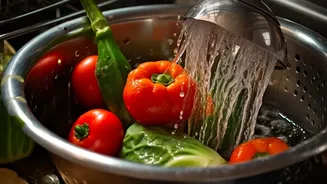
During heavy rains, the water supply can become contaminated, and produce often carries more dirt and germs. A quick rinse under the tap isn't enough. It is crucial to wash all fruits and vegetables thoroughly under clean, running water before peeling,
cutting, or eating them. For leafy greens, which can trap a lot of soil and microbes, soaking them in a bowl of clean water with a bit of salt or vinegar for about 15 minutes before a final rinse can help dislodge hidden contaminants. This simple step is one of your best defences against waterborne pathogens finding their way onto your plate.
Ignoring Cross-Contamination
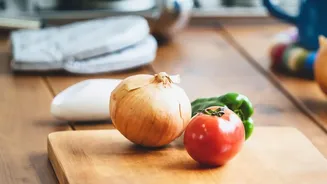
The damp, humid air of the monsoon helps bacteria multiply rapidly. This makes preventing cross-contamination more critical than ever. Using the same chopping board for raw meat and then for vegetables without a thorough wash is a common error. Raw meat juices can linger and transfer harmful bacteria like Salmonella and E. coli to ready-to-eat foods. To avoid this, use separate cutting boards for raw meats and produce. If you only have one, wash it with hot water and soap after handling raw meat and before chopping anything else. Storing raw meat separately from cooked food in the refrigerator is also essential.
Leaving Leftovers Out for Too Long
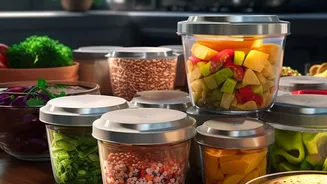
The 'two-hour rule'—refrigerating cooked food within two hours—is especially important during the monsoon. The warm, muggy conditions can turn a countertop into an incubator for bacteria. Perishable items like cooked dal, curries, meat, and dairy products should be stored in airtight containers and refrigerated promptly. Power outages, which are more frequent during heavy rains, add another layer of risk. A refrigerator can typically keep food safe for about four hours without power if the door remains closed. Anything longer, and perishable foods may enter the temperature 'danger zone' where bacteria thrive.
Consuming Risky Street Food
While tempting, street food poses a higher risk during the rainy season. The water used for preparing foods like pani puri or raw chutneys may be contaminated. Pre-cut fruits and salads sold by street vendors are also a concern as they are exposed to the humid environment and may have been washed in unsafe water. If you do indulge, opt for items that are cooked fresh and served piping hot, as high temperatures kill most harmful bacteria. Steaming hot snacks like roasted corn (bhutta) or freshly fried samosas are generally safer choices than raw or cold items.
Neglecting Kitchen and Appliance Hygiene
High humidity means surfaces stay damp longer, encouraging microbial growth. Sponges and kitchen cloths that never fully dry can become breeding grounds for bacteria, spreading them to every surface they touch. FSSAI recommends regularly sanitising kitchen countertops and equipment. Furthermore, your refrigerator needs extra attention. The moisture in the air can lead to condensation and faster frost build-up, creating an environment where mould and bacteria can grow. Cleaning your fridge regularly and defrosting it every couple of weeks can help keep your food safer.
Improper Storage of Dry Goods
The dampness of the monsoon doesn't just affect fresh food. It can also seep into your pantry, causing problems for dry goods like flour (atta), rice, lentils (dal), and spices. If not stored correctly, these staples can absorb moisture from the air, which can lead to mould and fungal growth, spoiling the food and potentially making it harmful. Storing these items in airtight containers is the best way to protect them from humidity. It's also wise to buy these goods in smaller quantities during the monsoon to ensure they are consumed before they have a chance to spoil.