


The Wellness Wave
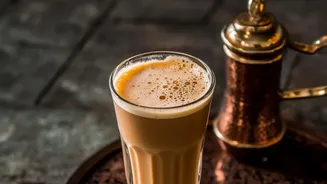
The biggest driver of this change is a growing collective consciousness around health. More people are aware of how diet impacts long-term wellbeing, and the everyday cup of milky, sugary chai is facing new scrutiny. Concerns about high sugar intake contributing
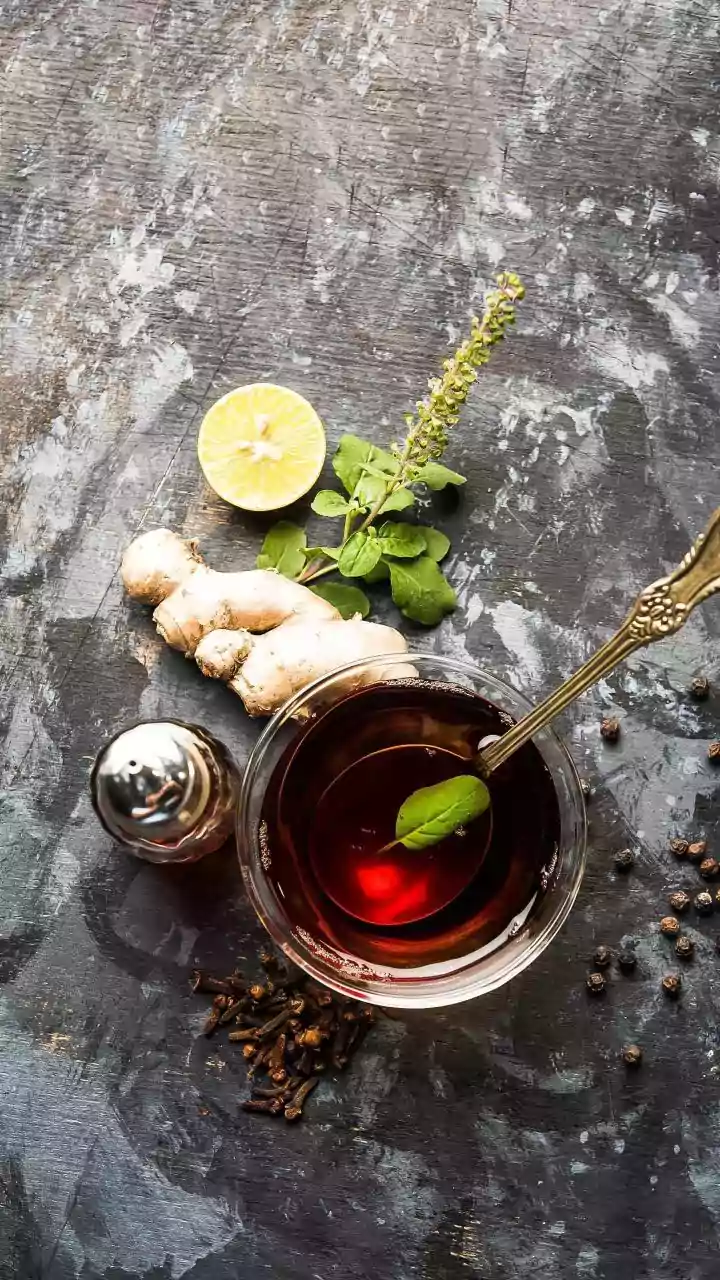
to weight gain and blood sugar spikes are prompting many to cut back or look for alternatives. Additionally, awareness is growing around how tannins in strong black tea can sometimes interfere with iron absorption, a point of concern for those with anemia. This has led to a surge in demand for functional beverages, with consumers actively seeking out drinks that offer benefits like immunity support, better digestion, or a sense of calm. As a result, herbal infusions with traditional ingredients like tulsi, ginger, and turmeric are becoming a popular, caffeine-free part of daily routines.
Beyond Masala Chai
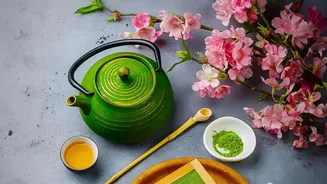
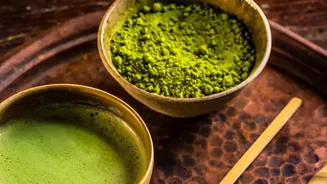
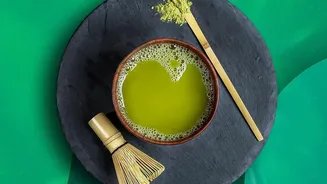
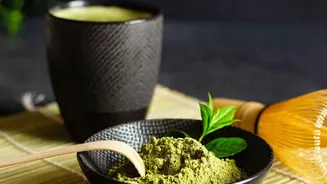
While black tea still dominates the market, the Indian palate is becoming more adventurous. A decade ago, green tea was a niche product, but today it is a staple in many urban kitchens, valued for its antioxidant properties. This has paved the way for other specialty teas to enter the mainstream. Consumers are now exploring the nuanced flavours of oolong, white, and single-origin estate teas from regions like Darjeeling and Nilgiri. This exploration is less about replacing chai and more about expanding the definition of what a cup of tea can be. People are developing a 'tea wardrobe', choosing different brews for different times of the day—an energising black tea in the morning, a calming chamomile at night, and a refreshing green tea in the afternoon.
New Brands, New Choices
The rise of direct-to-consumer (D2C) brands has completely transformed the tea aisle. Companies like Vahdam, Blue Tea, and Teabox have made premium and specialty teas more accessible than ever before. By bypassing traditional retail channels, these brands can offer fresher products and tell compelling stories about their sourcing and unique blends. Their innovative packaging and strong online presence appeal to younger, urban consumers who are looking for quality and authenticity. This digital-first approach also allows for greater variety, from calming herbal blends designed for better sleep to exotic floral infusions. The success of these startups shows a clear demand for high-quality, thoughtfully produced beverages that go beyond the standard supermarket offerings.
From Habit to Mindful Ritual
The way people drink tea is also changing. For many, the quick, habitual cup is being replaced by a more mindful and deliberate ritual. This is partly influenced by the global wellness movement, which encourages practices that promote calm and focus. Instead of gulping down tea while scrolling on their phones, people are taking the time to appreciate the aroma, flavour, and warmth of their brew. This shift is turning a simple beverage break into a moment of self-care. Tea tasting workshops and specialty cafes are also gaining popularity, encouraging consumers to treat tea as an experience to be savoured rather than a quick caffeine fix.
The Regulation Conversation
This boom in wellness beverages has also caught the attention of regulators. Recently, the Food Safety and Standards Authority of India (FSSAI) clarified that only beverages derived from the Camellia sinensis plant can legally be labelled as 'tea'. This means herbal infusions made from ingredients like hibiscus or chamomile cannot be marketed as 'herbal tea', but rather as 'herbal infusions' or by other appropriate names. The move aims to prevent misleading labelling and ensure consumers know exactly what they are buying. While this may seem like a small technicality, it reinforces the broader trend: consumers and regulators alike are paying closer attention to what is inside the cup, pushing for greater transparency and authenticity in the market.