




In the quest for healthy eating, we often pit foods against each other. A classic example in India is the mango versus papaya debate. But looking at which fruit has fewer calories or more vitamins misses the bigger picture entirely.
The Nutritional Showdown
On paper, the comparison
seems straightforward. Per 100 grams, papaya is the lighter option, with fewer calories and less sugar than a mango. A 100g serving of papaya contains around 32-43 calories and 4-8 grams of sugar. In contrast, the same amount of mango has about 60 calories and around 14 grams of sugar. Papaya also boasts a higher Vitamin C content. On the other hand, mango delivers a superior dose of Vitamin A (from beta-carotene), Vitamin E, and folate. Based on these numbers alone, you might declare papaya the winner for weight management and mango the champion for certain micronutrients. But this black-and-white view ignores how our bodies actually process these fruits.
Beyond the Label: The Glycemic Index
The glycemic index (GI) measures how quickly a food raises blood sugar levels. Here, the story gets interesting. Despite having more sugar, mango often has a lower to medium GI, typically around 51-60. Papaya, while lower in total sugar, can have a medium GI, sometimes around 60. Some studies have shown papaya's GI can even be quite high, depending on ripeness. The type of sugar and the presence of fiber play a big role. Mango's mix of fructose and fiber may lead to a slower, more sustained release of energy. This means a sensible portion of mango might actually provide more stable energy than a similarly sized portion of very ripe papaya, a crucial detail for anyone managing blood sugar.
The Majesty of the Mango
The undisputed 'king of fruits' is prized for its intense sweetness and rich flavour, but these very qualities make it easy to overindulge. A single, large mango can contain over 300 calories and a significant amount of sugar, far exceeding a standard serving. The key is moderation. A healthy portion size is about half a cup of diced fruit, or about half of a medium-sized mango. Enjoying this amount provides you with beneficial antioxidants like mangiferin, which may support heart health, and vitamins A and C that are great for skin and immunity, without overloading your system with sugar. When eaten in the right quantity, mango is an incredibly nutritious choice.
The Power of Papaya
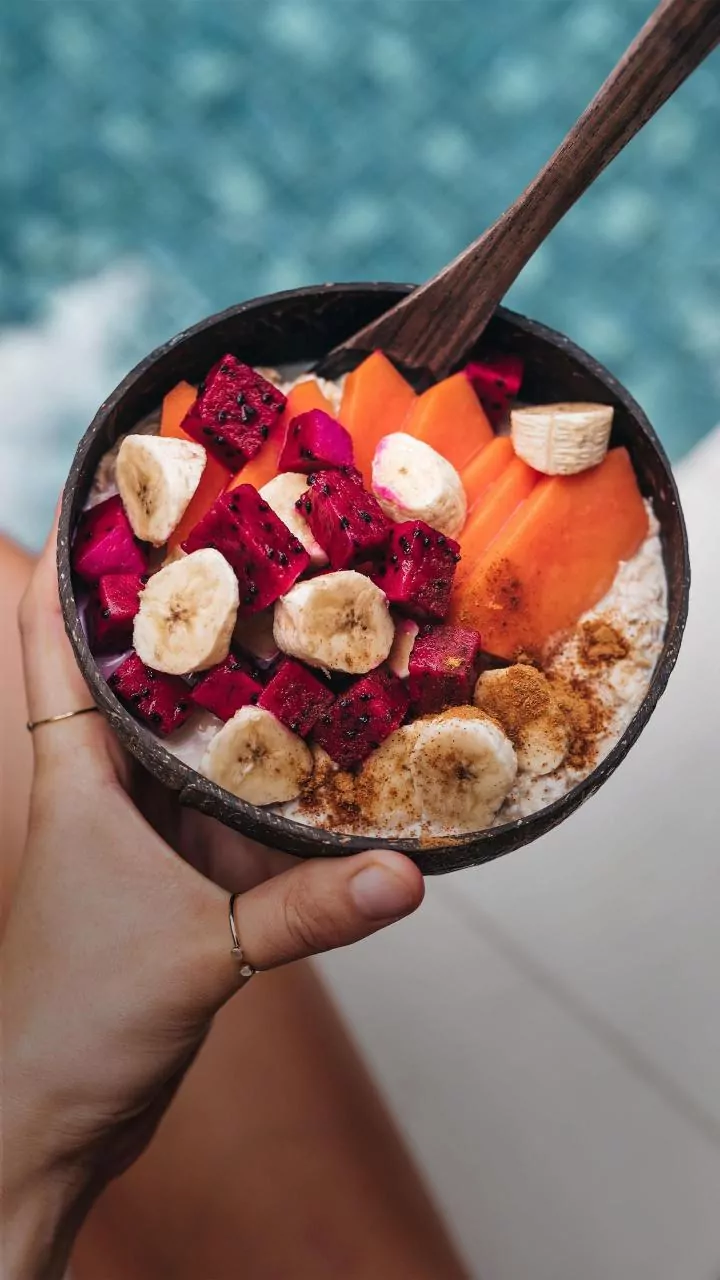
Papaya’s main advantage lies in its lower calorie density and a unique digestive enzyme called papain. Papain helps break down proteins, which can aid digestion and reduce feelings of bloating. Because it's less calorically dense, you can technically eat a slightly larger portion of papaya compared to mango for the same calorie hit. However, 'portion distortion' is still a risk. While you might start with good intentions, it’s easy for a 'small bowl' to become half the fruit. Papaya is an excellent choice, especially for those looking to support their digestive health, but it doesn't offer a free pass to eat unlimited quantities.
Why Portion Is the Real Winner
This brings us to the core of the issue: portion size is a more powerful lever for your health than the nutritional label alone. Eating 300 calories' worth of 'healthy' low-sugar papaya is not better than eating 100 calories' worth of higher-sugar mango. Overconsumption of any food, no matter how nutritious, leads to an excess calorie intake, which can contribute to weight gain and other health issues. Focusing on appropriate serving sizes—generally about one cup of chopped fruit—is the most effective strategy. This approach allows you to enjoy the unique benefits of both mango and papaya without negative consequences. It shifts the focus from 'good' versus 'bad' foods to a more sustainable and mindful way of eating.