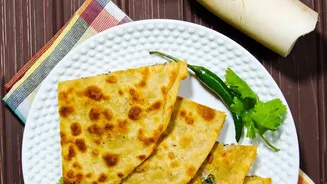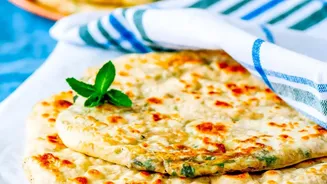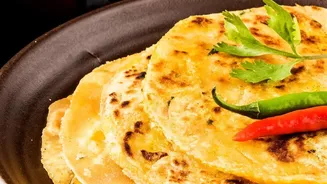


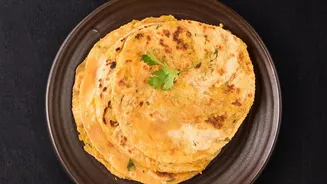
The aroma of a freshly made paratha is a comforting constant in Indian homes. Now, imagine that classic comfort getting a wholesome, modern upgrade. The Sorghum-Radish paratha offers just that—a delicious and nutritious twist for today's kitchen.
The Return of a Powerhouse Grain
Sorghum,
known locally as jowar, is having a well-deserved renaissance. For generations, this humble millet was a staple in western and central India, forming the base of everyday rotis and bhakris long before wheat became dominant. Today, as more people seek nutritious alternatives to refined flours, jowar is making a comeback. Naturally gluten-free, it's an excellent choice for those with gluten sensitivity or celiac disease. What’s more, its flour has a mild, slightly nutty flavour that pairs beautifully with a variety of ingredients, making it far more than just a 'health food'. It’s a versatile and practical choice for the modern Indian kitchen.
A Perfect Pairing with Radish
The combination of jowar and mooli (radish) is a culinary match made in heaven, especially during the winter months when radishes are at their peak. The earthy taste of sorghum flour beautifully balances the sharp, peppery notes of grated radish. While mooli paratha is a beloved North Indian classic, traditionally made with wheat flour, swapping in jowar flour creates a flatbread that is not only gluten-free but also offers a uniquely soft, hearty texture. The moisture from the radish helps to soften the jowar dough, making it easier to work with—a common concern for those new to millet flours.
Health in Every Delicious Bite
This paratha is more than just a tasty meal; it's a nutritional powerhouse. Jowar is packed with dietary fibre, which aids digestion, promotes a feeling of fullness, and can help with weight management. It also has a lower glycemic index compared to wheat, meaning it releases energy more slowly, helping to manage blood sugar levels. Rich in essential minerals like iron, magnesium, and potassium, jowar supports everything from bone health to better blood circulation. Radish complements these benefits by aiding in detoxification and digestion. Together, they create a paratha that is anti-inflammatory, good for your gut, and beneficial for your heart.
Tips for the Perfect Jowar Dough
Working with gluten-free flour can be intimidating, but a few simple tricks ensure soft, pliable parathas every time. The most important secret is using hot water. Boiling water helps to partially cook the flour, making the dough less crumbly and easier to handle. First, combine the jowar flour with grated radish, finely chopped radish leaves, and spices like ginger, green chillies, and ajwain (carom seeds). Then, gradually add hot water and knead for a few minutes until a soft, smooth dough forms. Since there's no gluten to develop, you don't need to knead it as vigorously as wheat dough. If the dough seems too sticky, a little extra flour will help; if it's too dry, a few drops of warm water will do the trick.
Rolling and Cooking to Perfection
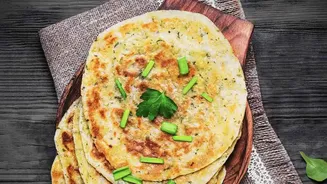
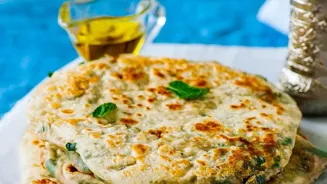
Because jowar dough can be delicate, it's best to roll the parathas gently. A traditional method is to place a dough ball on parchment paper or a plastic sheet and pat it down with your fingertips to form a small circle. You can also use a rolling pin, but be sure to dust the surface generously with dry jowar flour to prevent sticking. Don't aim for very large or thin parathas, as smaller, slightly thicker ones are easier to handle. Cook the paratha on a pre-heated tawa over medium heat. Let one side cook for about a minute before flipping. Brush with a little ghee or oil and press down gently with a spatula to ensure it cooks evenly, until you see golden-brown spots on both sides.
Serving Your Sorghum-Radish Parathas
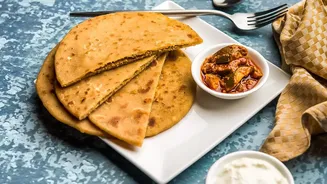
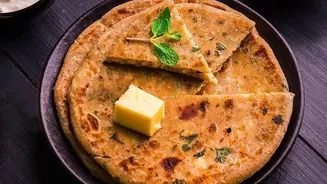
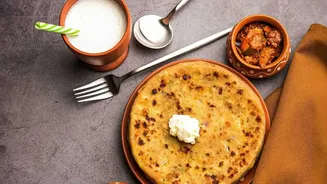
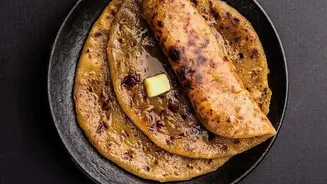
These parathas are best enjoyed hot, straight off the tawa, when their texture is at its softest. The classic and perhaps best accompaniment is a simple bowl of plain curd or a cooling raita, which provides a creamy contrast to the spices in the paratha. A dollop of white butter (makhan) or a side of tangy pickle also pairs wonderfully. Whether you serve them for a hearty breakfast, a satisfying lunch, or a light dinner, these jowar-mooli parathas are a testament to how traditional Indian cooking can evolve to meet modern health needs without sacrificing an ounce of flavour.