



The Science of the Festive Overload
When you eat a large meal, especially one rich in fats, sugars, and complex carbohydrates, your digestive system goes into overdrive. Your stomach, which normally holds about one or two cups of food, stretches significantly to accommodate the excess.
This stretching can cause immediate discomfort and pressure. As your body works to break down the large quantity of food, it diverts more blood flow to your digestive tract, which can leave you feeling tired and lethargic—the classic 'food coma'. Furthermore, an overloaded stomach can cause digestive fluids to push back up into your oesophagus, leading to heartburn and acid reflux. This physiological response is your body's way of signalling that it has been given more than it can comfortably handle at once.
Redefining 'Comfort' Eating
We often associate being 'stuffed' with the satisfaction of a good meal, but true comfort comes from nourishment, not overload. The goal is to feel satisfied, not uncomfortably full. This is where mindful eating becomes crucial. Mindful eating involves paying full attention to the experience of eating and listening to your body's natural hunger and fullness cues. It takes about 20 minutes for your brain to receive the signal from your stomach that you are full. When we eat quickly, as is common during bustling celebrations, we often bypass these signals, consuming far more than we need before our brain can even register that we're satisfied. Eating slowly and savouring each bite allows this intricate communication system to work, helping you recognise when you've had enough.
The Power of Smaller Portions
Adopting a smaller portion strategy is one of the most effective ways to prevent post-meal discomfort. It’s not about deprivation, but about balance. By taking smaller servings, you allow your body to process the food optimally, absorb necessary nutrients efficiently, and maintain more stable blood sugar levels. This prevents the dramatic energy spikes and crashes that often follow a heavy meal. A simple trick is to use a smaller plate. Studies show that the size of your plate can psychologically influence how much food you serve yourself and, consequently, how much you eat. A smaller plate filled with food can feel just as satisfying as a large, sparsely-filled one, helping you manage intake without feeling like you're missing out.
Practical Tips for Festive Feasting
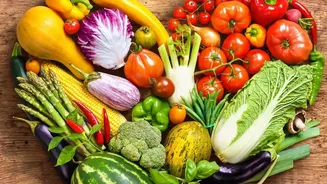
Navigating a festive spread can be challenging, but a few strategies can make all the difference. Start by filling half your plate with vegetables or salad. The fibre will help you feel fuller on fewer calories. Be selective with your choices; you don't have to try everything. Prioritise the special dishes you truly love and savour them. When you serve yourself, you have control over the portion sizes, rather than accepting a plate that someone else has piled high. It’s also helpful to drink a glass of water before you start eating, as thirst can sometimes be mistaken for hunger. Finally, if you feel like having a second helping, wait for about 20 minutes. This gives your body time to register if it's truly still hungry.
Navigating Social and Cultural Norms
In many Indian households, food is an expression of love and hospitality, and refusing it can sometimes feel difficult. However, managing your portions doesn't have to mean offending your host. You can accept a small serving to begin with, expressing your appreciation for the food while maintaining control. If offered more, a polite 'It's delicious, but I'm quite full for now, thank you' is usually well-received. The focus of these gatherings is connection and celebration. By eating in a way that leaves you feeling energised and comfortable, you are better able to fully participate in and enjoy the festivities with your loved ones, which is the true spirit of the occasion.