






The Building Blocks: Proteins and Amino Acids
At its core, protein is made of smaller units called amino acids, often called the building blocks of life. Your body uses them for critical functions like building and repairing tissues, creating enzymes and hormones, and supporting immune function.
There are 20 different amino acids that form the proteins in your body. Of these, nine are considered 'essential amino acids' (EAAs) because your body cannot produce them on its own. This means you must get them from the food you eat. These nine EAAs are histidine, isoleucine, leucine, lysine, methionine, phenylalanine, threonine, tryptophan, and valine.
What Makes a Protein 'Complete'?
You've likely heard the terms 'complete' and 'incomplete' protein. A complete protein is a food source that contains all nine essential amino acids in adequate amounts. Generally, animal-based foods like meat, fish, eggs, and dairy products fall into this category. On the other hand, most plant-based foods, such as grains, nuts, seeds, and legumes, are considered 'incomplete' proteins because they are low in one or more of the essential amino acids. However, this doesn't mean they are inferior. It simply means you need to eat a variety of plant foods to get the full spectrum of amino acids your body requires.
Decoding Protein Quality Scores
To measure a protein's effectiveness, scientists use scoring systems. The most established method is the Protein Digestibility-Corrected Amino Acid Score (PDCAAS). This score evaluates a protein based on two factors: its amino acid profile and its digestibility. The score ranges from 0 to 1.0, with 1.0 being the highest quality, indicating the protein provides all EAAs and is easily absorbed. A newer, more precise method endorsed by the Food and Agriculture Organization (FAO) is the Digestible Indispensable Amino Acid Score (DIAAS). DIAAS is considered more accurate because it measures the absorption of individual amino acids at the end of the small intestine. While DIAAS is the new scientific standard, PDCAAS is still widely used for food labeling.
The Power of Pairing: Grains and Legumes
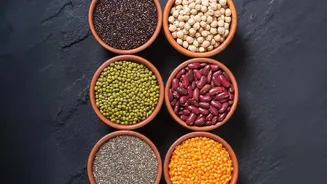
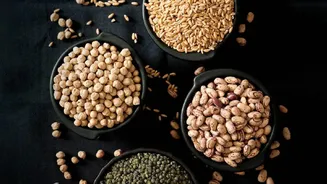
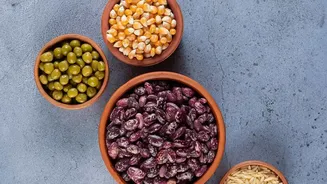
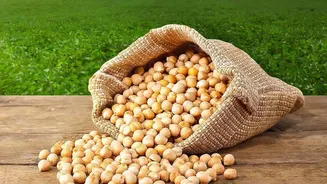
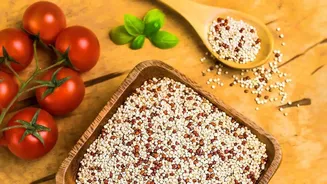
This is where the magic of food combining, or 'protein complementation', comes in. Different plant foods have different 'limiting' amino acids—the essential amino acid they are lowest in. By pairing foods with complementary amino acid profiles, you can easily create a meal with a complete protein profile. The classic example is the combination of grains and legumes. Grains, like rice and wheat, are typically low in the essential amino acid lysine but contain higher amounts of methionine. Legumes, such as beans, lentils, and chickpeas, are the opposite; they are rich in lysine but low in methionine. When eaten together, they fill in each other's nutritional gaps, providing all nine essential amino acids.
Putting It on Your Plate: Classic Combinations
The great news is that creating complete proteins is something many cultures have done intuitively for centuries. You don't necessarily need to eat these foods in the exact same meal, as your body maintains a pool of amino acids to draw from throughout the day. However, these classic pairings are not only nutritious but also delicious. Think of Indian staples like dal (lentils) with rice or roti (wheat). In Mexican cuisine, beans are often served with corn tortillas. A simple peanut butter sandwich on whole-wheat bread is another perfect example of a complete protein meal. Other powerful combinations include hummus (made from chickpeas and sesame-based tahini) with pita bread, and modern creations like Ezekiel bread, which combines sprouted grains and legumes.