



Sattu: The Desi Superfood
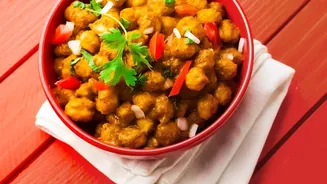
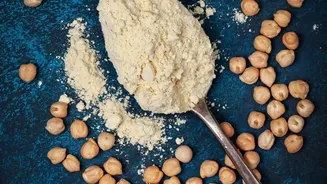
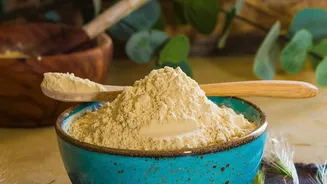
Sattu, a flour made from roasted Bengal gram (chana), has been a dietary staple in regions like Bihar and Uttar Pradesh for centuries. Often called the 'poor man's protein,' it's now gaining well-deserved recognition among the fitness community. Made
by dry-roasting and grinding chana, sattu is a minimally processed, affordable, and incredibly versatile ingredient. Its nutritional profile makes it a formidable contender in the world of natural fitness supplements, providing a balanced mix of protein, carbohydrates, and fibre.
The Nutritional Power of Sattu
Sattu packs a significant protein punch, containing approximately 20-26 grams of protein per 100 grams. This protein is crucial for repairing muscle tissues that break down during exercise and for building lean muscle mass. Beyond protein, it's rich in insoluble fibre, which aids digestion and promotes a feeling of fullness, helping with weight management. Sattu also has a low glycemic index, meaning it provides sustained energy without causing sudden blood sugar spikes, making it an excellent pre-workout fuel source. Additionally, it's a good source of essential minerals like iron and magnesium, which combat fatigue and boost metabolism.
Sprouted Legumes: The Living Powerhouse
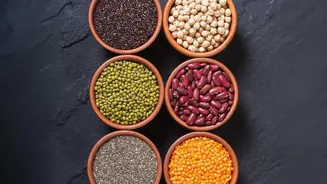
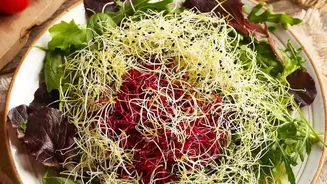
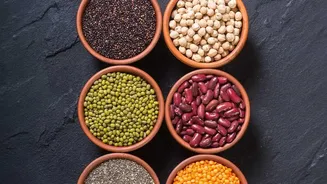
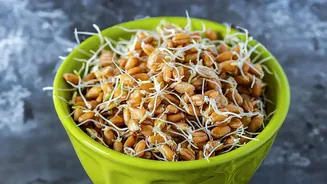
Sprouting is the process of germinating legumes like moong, chickpeas, and lentils. This simple act transforms them into nutritional powerhouses. The process of sprouting dramatically increases the bioavailability of nutrients. It breaks down anti-nutrients like phytic acid, which can otherwise hinder the absorption of minerals like iron, zinc, and calcium. Sprouting also boosts the content of vitamins, particularly Vitamin C and B-complex vitamins, and makes the proteins within the legumes easier to digest.
Why Sprouts Are Great for Muscle Gain
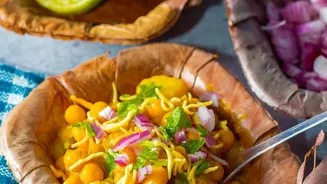
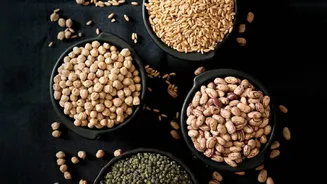
Sprouted legumes are an excellent source of plant-based protein. For example, a cup of cooked lentils provides around 18 grams of protein, while chickpeas offer about 15 grams. While most individual plant foods are 'incomplete' proteins (lacking one or more essential amino acids), this is easily solved. Indian food traditions have a built-in solution: combining legumes with grains. A meal of sprouted moong salad with a side of roti, or chickpeas with rice (chole chawal), creates a complete protein profile, providing all the essential amino acids your body needs for muscle synthesis. The high fibre in sprouts also ensures a healthy gut, which is crucial for absorbing all these vital nutrients efficiently.
Sattu & Sprouts vs. Whey Protein
While whey protein is known for its high concentration of protein and rapid absorption rate, making it popular for post-workout recovery, it's not the only option. Sattu and sprouted legumes offer a more holistic nutritional package. Unlike whey, they are loaded with dietary fibre, which promotes digestive health and provides sustained energy. For many, sattu is also easier to digest than whey, which can cause bloating in individuals with lactose sensitivity. From a cost perspective, these traditional foods are significantly more affordable and sustainable than imported protein supplements, making consistent, long-term use more accessible.
Easy Ways to Fuel Your Fitness
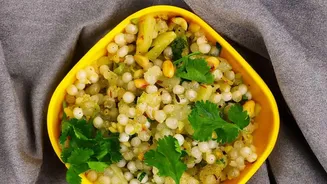
Incorporating these foods into your diet is simple. Start your day or fuel up before a workout with a classic Sattu Sharbat—just mix sattu with water, black salt, and a squeeze of lemon. For a post-workout recovery meal, blend sattu into a smoothie with a banana and milk or a plant-based alternative. Sprouted legumes can be eaten raw in salads, added to soups, or lightly stir-fried. You can also make wholesome snacks like sattu laddoos or savory chillas (pancakes) for a protein-packed meal any time of day.