



The Problem with Perfect
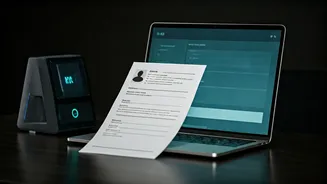
Generative AI has handed job seekers a powerful tool, capable of crafting keyword-optimised resumes and perfectly worded cover letters in seconds. The result is an avalanche of applications that all look impressively polished. However, this has created
an unexpected problem for hiring managers, dubbed the “resume illusion”. Candidates appear flawless on paper but often struggle to substantiate their AI-generated claims in a real conversation. This disconnect has ironically slowed down the hiring process for many companies, with some reports indicating that nearly 70% of HR leaders find AI-generated applications are actually creating delays. When everyone looks perfect, no one stands out, forcing recruiters to spend more time trying to figure out who is genuine.
The Search for Authentic Signals
In response, recruiters are evolving their tactics, moving away from simply scanning for keywords and toward identifying signals of authenticity. They are becoming adept at spotting the generic, robotic tone that often gives away a resume written entirely by AI without human input. While using AI isn't an automatic disqualifier, a lack of personalization is a major red flag, with some surveys suggesting over 60% of hiring managers are more likely to reject an AI-written resume if it hasn't been tailored to the role. The focus is shifting from what a candidate says they can do to what they can prove. Recruiters now look for verifiable evidence of skills in action, such as links to portfolios, specific project details with measurable outcomes, and stories that can only come from real-world experience.
The Rising Value of Human Skills
As AI automates technical writing and routine tasks, distinctly human skills have become more valuable than ever. A recent global survey of corporate recruiters found that while AI and data analysis skills are important, capabilities like communication, problem-solving, adaptability, and strategic thinking are what employers consider most when hiring. These are often called “durable skills” because they hold their value across technological shifts. Recruiters are now actively looking for candidates who demonstrate emotional intelligence, ethical judgment, leadership, and the ability to build relationships — qualities that AI cannot replicate. Being able to show you can collaborate with a team, navigate conflict, or motivate others is a powerful differentiator in a sea of automated applications.
How to Adapt Your Application Strategy
So, how should a modern job seeker approach this new landscape? The key is to use AI as an assistant, not a ghostwriter. Start with an AI-generated draft to help with structure and brainstorming, but then aggressively personalize it with your own voice and specific accomplishments. Instead of vaguely stating “Used AI tools,” describe a tangible outcome: “Streamlined a reporting process using an AI-assisted workflow, cutting delivery time by 50% while maintaining human oversight for accuracy.” This demonstrates not just technical familiarity but also mature judgment. Ensure your resume is rich with personalized details that reflect the job description and showcase achievements that can be discussed in-depth during an interview. Authenticity, it turns out, is the new competitive advantage.