







Beyond Tariffs: The Unseen Hurdles
When people think of trade barriers, they usually imagine tariffs—the taxes or duties paid on imported goods. However, some of the most significant obstacles in modern commerce are less visible. These are known as Technical Barriers to Trade (TBTs). TBTs include
a country's unique regulations, standards, testing protocols, and certification requirements for products. While often implemented for legitimate reasons like public health, consumer safety, or environmental protection, these measures can become major hurdles for exporters when they are overly complex, discriminatory, or differ wildly from international norms. For American companies trying to sell in India, or Indian firms exporting to the US, navigating these different rulebooks can be costly and time-consuming, effectively acting as a brake on trade.
Spotlight on Key Sectors
The impact of TBTs is felt across numerous industries. In the medical device sector, for instance, US manufacturers have faced challenges with India's price controls and specific local testing requirements, which can make it difficult to sell advanced products profitably. Similarly, in agriculture, both countries apply sanitary and phytosanitary (SPS) measures to protect against pests and diseases. However, differing rules on fumigation or acceptable residue levels for products like cherries or animal feed can block or delay shipments, creating uncertainty for farmers. The digital economy is another critical area. Issues such as requirements for data to be stored locally, differing privacy regulations, and standards for electronic devices can create friction for the tech companies that form a major part of the US-India economic relationship.
The Diplomatic Pathway to Resolution
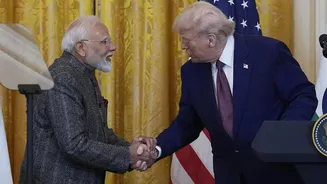
Recognizing that these barriers are a significant drag on trade, both governments are actively working to resolve them. The primary venue for these discussions is the US-India Trade Policy Forum (TPF). In these meetings, officials from both sides work to untangle complex issues and find common ground. A key goal is achieving 'mutual recognition,' where one country agrees to accept the other's product testing and certification. This would mean a product certified as safe in the US would not need to undergo the entire expensive and lengthy certification process again in India, and vice-versa. These discussions are painstaking and detailed, covering everything from the design of devices to protect sea turtles in fishing nets to quality control standards for manufactured goods. Success is incremental and requires sustained engagement away from the political spotlight.
Unlocking Billions in Potential
The prize for successfully navigating these technical issues is substantial. Resolving TBTs is not just about a few percentage points of growth; it is about fundamentally improving the ease of doing business. For companies, it means lower costs, faster access to a market of 1.4 billion people, and greater predictability for investment decisions. This encourages small and medium-sized enterprises, not just large corporations, to participate in trade. By aligning standards, especially in high-tech and green-tech sectors, the US and India can foster deeper integration of their supply chains. This not only boosts bilateral commerce but also strengthens their strategic partnership, creating a more resilient alternative to other global manufacturing hubs. While precise figures are hard to calculate, removing unnecessary friction could unlock tens of billions of dollars in new two-way trade, fostering innovation and creating jobs in both nations.