





Understanding Your Skin's Guardian
Before chasing trends, it's crucial to understand the skin barrier. Known as the stratum corneum, it's the outermost layer of your skin. Think of it as a brick wall: the skin cells (corneocytes) are the bricks, and a complex matrix of lipids—like ceramides,
cholesterol, and fatty acids—is the mortar holding them together. This structure has two critical jobs: it locks in essential moisture to keep skin hydrated and supple, and it acts as a protective shield against environmental aggressors like pollution, bacteria, and UV radiation. A healthy, functioning barrier is the true foundation of visibly healthy and radiant skin.
The Link Between a Strong Barrier and Glass Skin
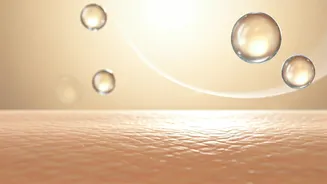
The 'glass skin' look is defined by an even, smooth texture and a translucent luminosity that reflects light. This effect is only possible when the skin is deeply hydrated and free from inflammation. A strong barrier excels at retaining water, which plumps up the skin and softens the appearance of fine lines. When the barrier is compromised, it can no longer hold onto moisture effectively, leading to a process called transepidermal water loss (TEWL). This results in the opposite of glass skin: a complexion that may appear dull, dry, red, and irritated. Therefore, achieving that coveted glow is not about piling on highlighters, but about nurturing your skin's first line of defence.
Signs Your Barrier Needs Help
How do you know if your skin barrier is struggling? The signs are often mistaken for other skin issues. Common symptoms include persistent dryness, flakiness, or a tight feeling. You might also experience increased sensitivity, where products that you previously tolerated suddenly cause stinging or burning. Redness, blotchiness, and even an increase in breakouts can also signal a compromised barrier, as your skin struggles to protect itself from irritants and bacteria. Sometimes, skin might feel both oily and dry at the same time, as it overproduces oil to compensate for the lack of moisture.
Rebuilding with a Barrier-Friendly Routine
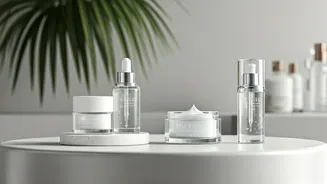
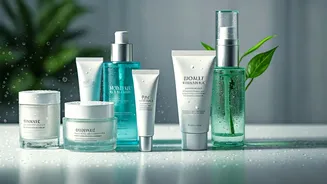
Repairing a damaged skin barrier requires a 'less is more' approach. The first step is to stop using harsh products, including strong exfoliating acids, physical scrubs, and cleansers that leave your skin feeling 'squeaky clean' but stripped. Instead, switch to a gentle, hydrating, pH-balanced cleanser. Your daytime and nighttime routine should focus on replenishing what's been lost. Look for moisturizers and serums rich in barrier-supporting ingredients. Ceramides are non-negotiable, as they directly replace the 'mortar' in your skin. Hyaluronic acid is another hero, drawing moisture into the skin, while niacinamide (Vitamin B3) helps your skin produce its own ceramides and calms inflammation. Other beneficial ingredients include panthenol, glycerin, and squalane. And finally, never skip sunscreen. UV damage is a primary cause of barrier breakdown, so daily protection is crucial for both repair and prevention.
Beyond Products: Lifestyle Matters
While the right products are essential, several lifestyle factors can impact your skin barrier. Over-cleansing, using water that is too hot, and exposure to dry air or harsh weather can all strip the skin of its natural oils. Stress and lack of sleep can also interfere with the skin's natural repair processes. On the other hand, staying hydrated by drinking enough water and eating a balanced diet rich in antioxidants and healthy fats can support skin health from the inside out. Consistency is the most important element; a damaged barrier doesn't happen overnight, and repairing it takes patience. With consistent, gentle care, most people can see significant improvement within two to four weeks.