





A Plan to Connect the Nation
The driving force behind this transformation is the government's Ude Desh ka Aam Nagrik (UDAN) scheme, which aims to connect unserved and underserved airports across the country. In March 2026, the Union Cabinet approved a Modified UDAN scheme, committing
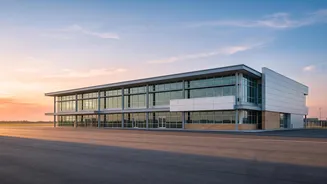
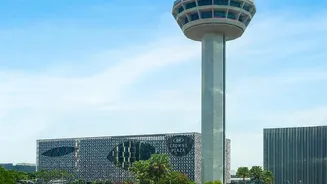
nearly ₹30,000 crore to build 100 new airports over the next ten years. This push comes after the number of operational airports in India already grew from 74 in 2014 to 166 in 2026. The goal is to take flying beyond the major metros and into the heartland, reaching Tier-2, Tier-3 cities, and even remote regions in the Himalayas and island territories.
More Dots on the Aviation Map
This expansion isn't just about building new terminals; it's about creating new pathways. The UDAN scheme incentivises airlines to operate on routes that were previously not considered commercially viable. This has led to the activation of hundreds of new routes connecting smaller cities. The introduction of a 'hub-and-spoke' model, now active in airports like Varanasi, Amritsar, and Ahmedabad, further streamlines travel. This system allows a passenger from a small town to fly to a larger 'hub' airport and seamlessly connect to domestic and international flights, making global travel more accessible without a cumbersome journey to a metro city first.
An Engine for Local Economies
When an airport comes to town, it brings more than just planes. It acts as a powerful engine for economic growth. Improved connectivity makes it easier for businesses to operate in regional areas, reducing transit times and operational costs for companies with pan-India operations. This, in turn, attracts new investment and creates jobs. Furthermore, tourism gets a major boost as previously hard-to-reach destinations become accessible for weekend trips and holidays, supporting local hotels, shops, and service providers. This development also has a significant impact on the real estate market, with land values and property demand rising in areas surrounding new airports.
Transforming Lives and Livelihoods
Beyond the economic numbers is the human impact. For families separated by distance, a two-hour flight replaces a 24-hour train ride. Students from smaller towns can travel to universities in big cities more easily. Professionals can consider opportunities outside the major metros, knowing they are still well-connected. Medical travel also becomes more feasible, allowing people from remote areas to access specialised healthcare. This enhanced mobility is democratising opportunities, breaking down the geographical barriers that have long defined where people can live, work, and dream.
Challenges on the Flight Path
Despite the ambitious vision, the path ahead is not without its turbulence. A key challenge is ensuring the long-term financial viability of regional routes. Many routes have been discontinued after the initial subsidy period ended because of low passenger demand, making them unprofitable for airlines. Building airports is only the first step; ensuring they are equipped with necessary infrastructure like instrument landing systems (ILS) to avoid cancellations due to bad weather is crucial for building passenger trust. Experts also note that for the scheme to be truly successful, it needs more than just subsidies, requiring a supportive ecosystem with lower airport costs and taxes to help regional airlines become profitable in their own right.