







An Antidote to Burnout
For many young Indian professionals, the daily grind has become an exhausting cycle of long work hours, digital fatigue, and immense pressure to succeed. This demanding lifestyle is driving a fundamental shift in what they seek from their time off. Instead
of chasing adrenaline-fueled adventures, they are actively seeking an escape from the very 'hustle culture' that defines their weeks. The weekend trip is no longer just about sightseeing; it's about survival and self-preservation. Recent reports show that a significant number of millennials and Gen Z travellers are motivated by the need to recharge, framing travel as a necessary investment in their mental and physical well-being. This has given rise to the wellness-focused getaway, a short but intentional break designed to heal, reset, and build resilience against burnout.
Redefining the Getaway
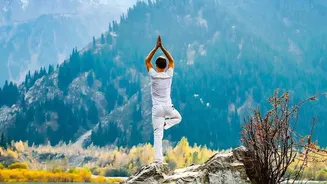
So, what does a 'wellness trip' actually look like? The term has expanded far beyond the confines of luxury spas. Today, it encompasses a wide spectrum of experiences tailored to personal rejuvenation. For some, it might be a weekend at a yoga and meditation retreat in Rishikesh or Mysuru. For others, it could be a digital detox at a quiet farm stay in the Western Ghats, where the only notifications come from nature. The focus is less on activities and more on intention. These trips are characterized by unstructured time, mindful practices, healthy food, and a deep connection with the surrounding environment. This marks a departure from the traditional tourist mindset of ticking landmarks off a list. Instead of asking, “What did you see?”, the question is becoming, “How did you feel?”. This shift highlights a desire for more personal and unique journeys.
The 'Closer to Home' Advantage
The preference for destinations closer to home is both practical and philosophical. Logistically, short-haul trips are more affordable, require less planning, and are easier to fit into a busy schedule. This 'micro-break' model, favoring several short trips over one long annual holiday, is gaining immense popularity among Gen Z. It makes regular rejuvenation a feasible lifestyle habit rather than a once-a-year luxury. Psychologically, staying local reduces travel-related stress and environmental guilt. There is a growing awareness around sustainable travel, with a rising demand for eco-friendly accommodations and experiences that support local communities. Choosing a homestay in the hills or a boutique eco-resort by the coast becomes a conscious choice that aligns with a more mindful way of living. This trend has also been a boon for 'workations', blending remote work with leisure in serene settings away from city chaos.
New Destinations on the Map
This trend is putting a new set of destinations on the Indian travel map. While popular spots like Goa and Jaipur remain favourites for some, many are now seeking out the untouched corners of the country. They are exploring the tranquil valleys of Himachal Pradesh, the lush backwaters of Kerala, the coffee plantations of Coorg, and the quiet beaches along the Konkan coast. The focus is on places that offer peace and quiet over crowds and commerce. The rise of online booking platforms and social media has made it easier than ever to discover and access these lesser-known gems. Boutique hotels, homestays, and wellness-centric properties are flourishing as they cater specifically to this new wave of travellers who prioritize authentic experiences and genuine hospitality over large, impersonal resorts.