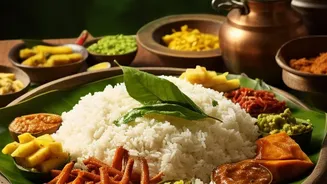







From sarson da saag in the north to keerai in the south, leafy greens are a vibrant and essential part of the Indian thali. But beyond their colour and flavour, these greens are unsung heroes of nutrition, especially for their rich fibre content.
The Unsung Hero: Why Dietary Fibre Matters
Dietary
fibre is a type of carbohydrate that the body can't digest. Instead of being broken down, it passes through the digestive system largely intact, playing a crucial role in our health. There are two types: soluble fibre, which dissolves in water to form a gel-like substance, and insoluble fibre, which adds bulk to stool. A diet rich in both is linked to numerous benefits, including preventing constipation, managing weight by promoting a feeling of fullness, and lowering the risk of chronic diseases like heart disease and type 2 diabetes. Soluble fibre helps lower cholesterol and stabilise blood glucose levels, while insoluble fibre is key for regular bowel movements. For a population where diabetes and heart conditions are on the rise, incorporating fibre-rich foods is more important than ever. Experts recommend that Indian adults consume around 25 to 40 grams of fibre daily, but many urban diets fall short.
India's Green Bounty: Fibre-Rich Powerhouses
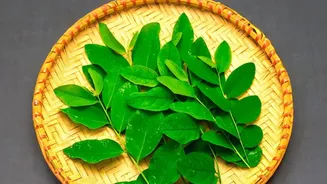
The Indian subcontinent is blessed with a wide variety of leafy vegetables, or 'saag,' each packing a nutritional punch. While spinach (Palak) is the most famous, many other local greens are excellent sources of fibre and other essential nutrients. Fenugreek leaves (Methi) are particularly noteworthy, with some data showing they contain around 4.9 grams of fibre per 100g, along with significant amounts of iron and calcium. Amaranth leaves (Chaulai or Thotakoora), available in green and red varieties, are another star, offering roughly 4.4 grams of fibre per 100g and being a rich source of calcium and vitamin A. Drumstick leaves (Moringa or Sahjan) are true superfoods, with some reports indicating over 5 grams of fibre per 100g. Even the winter classic, Sarson ka Saag (Mustard Greens), is a great source of dietary fibre, helping to promote digestive health. Other notable greens include Bathua (Lamb's Quarters) and Colocasia leaves (Arbi ke Patte), which are also rich in fibre and minerals.
More Than Just Saag: Creative Ways to Add Greens
While a classic saag preparation is delicious and healthy, there are countless other ways to weave leafy greens into your daily meals to boost fibre intake. Finely chopped methi or palak can be kneaded into the dough for rotis and parathas, adding flavour and nutrition. You can also wilt a handful of spinach or amaranth leaves into your daily dal or sambar just before serving. Sprouts and leafy greens make for a powerful high-fibre salad. Adding greens to dishes like upma, poha, or even omelettes is another easy way to increase their presence in your diet. Don't forget the often-discarded leaves of vegetables like radishes (Mooli ka Saag), which are perfectly edible and nutritious. By thinking beyond the traditional side dish, you can effortlessly add a few extra grams of fibre to almost every meal.
Cooking for Health: Preserving Fibre and Nutrients
How you cook your vegetables can impact their nutritional value, including their fibre content. The good news is that fibre is largely heat-stable and doesn't get destroyed by cooking. However, the structure of fibre can change. Cooking can soften insoluble fibres, making them easier to digest, and may even convert some into beneficial soluble fibre. Light cooking methods like steaming, stir-frying, or sautéing are generally better than prolonged boiling. Boiling can cause water-soluble vitamins, like Vitamin C, to leach into the water. If you do boil your greens, try to use the leftover liquid in a soup or dal to retain those nutrients. Overcooking can also lead to a mushy texture, which might make the vegetables less appealing. Lightly cooking them until they are just tender ensures they retain a pleasant texture and maximum nutritional benefits.