


A New Perspective on Monsoon Travel
For years, the monsoon season (July to September) was considered the off-season for North India's hill stations. Concerns about rain, landslides, and closed roads kept many tourists away. However, this perception is changing. Travellers are discovering
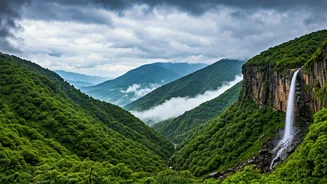
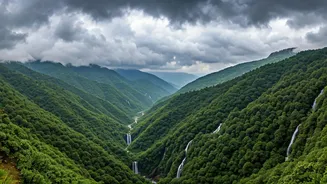
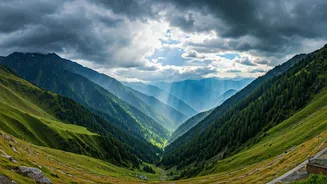
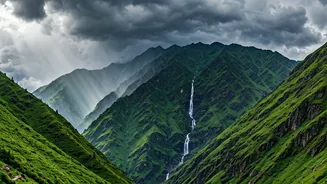
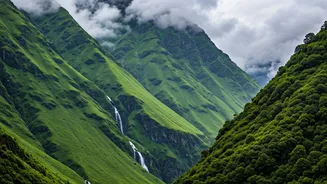
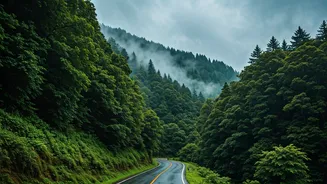
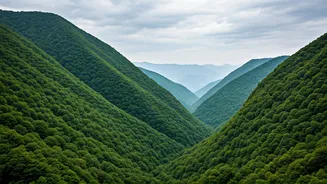
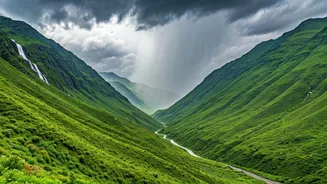
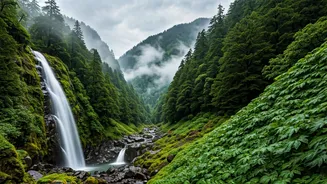
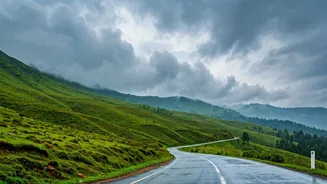
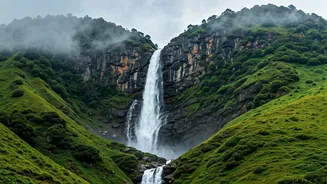
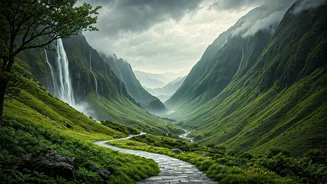
the unique magic that the rains bring to the Himalayas. The mountains, washed clean by the downpours, come alive in brilliant shades of green. The air is crisp, the crowds are thinner, and the atmosphere is undeniably romantic and serene. [13, 14] Instead of a time to avoid, the monsoon is becoming a season to embrace, offering a chance to see these popular destinations in a completely different light. It's a time for quiet reflection, enjoying the mist rolling through the valleys, and experiencing nature's power and beauty up close. [16]
Valley of Flowers, Uttarakhand: A Carpet of Blooms
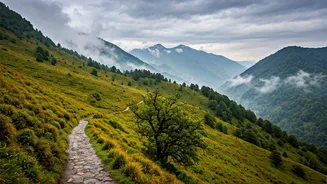
There is perhaps no destination that embodies the spirit of a North Indian monsoon better than the Valley of Flowers. This UNESCO World Heritage Site in the Garhwal Himalayas transforms into a breathtaking spectacle during the rainy season. [8] The monsoon is precisely the best time to visit, as this is when the valley is in full, vibrant bloom. [6] From July to September, its meadows are covered with over 500 species of wildflowers, including the elusive blue poppy and the sacred Brahma Kamal. [8, 9] The trek to the valley is a reward in itself, taking you through lush landscapes and misty trails. The cool, pleasant weather, with temperatures often ranging between 7°C to 20°C, is ideal for trekking and soaking in the floral paradise. [8]
Kasauli, Himachal Pradesh: Colonial Charm in the Clouds
For those seeking a quieter, more accessible monsoon escape, the colonial-era town of Kasauli in Himachal Pradesh is an ideal choice. During the rains, this quaint hill station becomes a misty, green haven, perfect for those looking to escape the city's hustle. [14] The monsoon enhances the town's beauty, with rain-washed pine forests and clouds drifting through the valleys. [13] It's the perfect setting for long, romantic walks along Gilbert Trail or enjoying the panoramic views from Monkey Point when the clouds part. [16, 14] The reduced tourist crowd adds to the peaceful atmosphere, allowing visitors to enjoy hot Himachali dishes in a local eatery or simply relax with a book as the rain patters outside. [14]
Mashobra, Himachal Pradesh: A Serene Retreat Near Shimla
Often called Shimla's quieter cousin, Mashobra is a peaceful destination that truly shines during the monsoon. The rains turn its dense forests of pine and oak into a lush, vibrant green. [25] It’s an ideal spot for nature lovers who want to indulge in activities like birdwatching in the Shimla Water Catchment Wildlife Sanctuary or taking serene walks through blossoming apple orchards. [30, 24] While heavy rains can occur, the mist-draped landscapes offer a dreamlike quality. [13, 24] Visitors can explore Craignano Nature Park, an Italian-style villa surrounded by gardens, or simply enjoy the tranquility from a cozy stay, making it a perfect spot for relaxation and rejuvenation. [25, 30]
A Note on Safety and Preparation
While travelling during the monsoon is magical, it requires preparation. Hilly regions can be prone to landslides, so it's crucial to stay updated on weather forecasts and road conditions before and during your trip. [11, 23] Pack waterproof jackets, sturdy non-slip shoes, and quick-drying synthetic clothes. [22, 27] It's also wise to carry a basic first-aid kit, insect repellent, and any necessary medications. [26, 27] Always allow for buffer time in your travel schedule for potential delays and avoid driving on hill roads after dark. [23] By taking sensible precautions, you can safely enjoy the unparalleled beauty of North India's rainy season.