






The Niagara of India: Athirappilly and Vazhachal
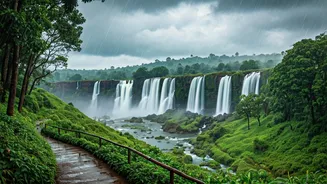
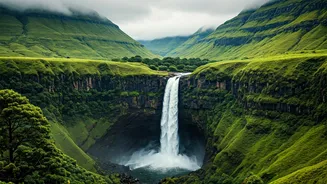
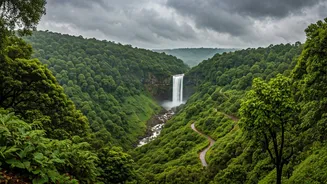
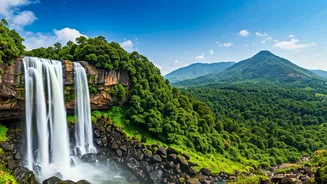
No journey into Kerala's wilderness is complete without witnessing the sheer force of Athirappilly Falls. Often called the "Niagara of India," this 80-foot cascade on the Chalakudy River is a breathtaking spectacle. Located at the entrance of the Sholayar
forest ranges, the area is a hub of biodiversity. Just a short 5 km drive away lies its calmer sibling, Vazhachal Falls. Unlike the dramatic plunge of Athirappilly, Vazhachal is a gentler, expansive flow over rocky terrain, offering a more serene experience. The surrounding forests are a protected area, notable for being the only place in the Western Ghats where four endangered species of hornbill thrive, making it a paradise for birdwatchers.
Munnar: The Emerald Sea of Hills
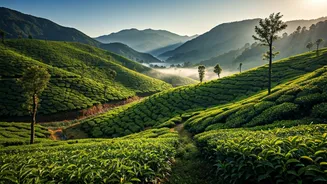
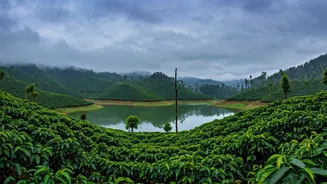
Munnar is arguably Kerala's most famous hill station, a rolling landscape of tea plantations that stretch as far as the eye can see. Situated at the confluence of three mountain streams, this former British resort town offers cool, crisp air and stunning vistas. A must-visit is the Eravikulam National Park, home to the endangered Nilgiri Tahr, a species of mountain goat. The park's landscape is dominated by Anamudi, the highest peak in South India. For a deeper dive into the region's identity, the Tata Tea Museum offers insights into the history and process of tea cultivation. Beyond the tea gardens, Munnar is dotted with beautiful waterfalls like Attukad and Lakkom, offering perfect spots for trekking and photography.
Wayanad: A Realm of Forests and Ancient Caves
Wayanad offers a wilder, more rugged experience. This district, perched on the Deccan Plateau, is a mosaic of dense forests, spice plantations, and paddy fields. It is a haven for adventure seekers, with popular activities including trekking to Chembra Peak, the district's highest point, which features a heart-shaped lake on the way to its summit. For history enthusiasts, the Edakkal Caves are an essential stop, featuring prehistoric rock carvings that date back to the Neolithic age. The Wayanad Wildlife Sanctuary, part of the Nilgiri Biosphere Reserve, provides opportunities to spot elephants, deer, and other wildlife in their natural habitat. Waterfalls like Soochipara, also known as Sentinel Rock, cascade from a height of 200 meters and offer the unique thrill of rock climbing.
Vagamon: The Quiet Charms of Rolling Meadows
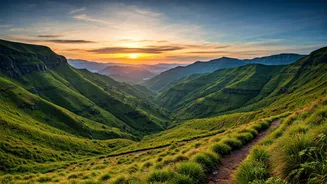
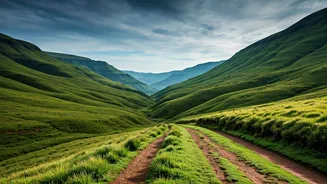
For those seeking tranquility away from the more crowded tourist trails, Vagamon is an idyllic escape. This hill station is characterized by its velvety green meadows, dense pine forests, and a unique chain of three hills: Thangal, Murugan, and Kurisumala, which represent a remarkable harmony of different faiths. Listed by National Geographic as one of the most attractive places to visit in India, Vagamon has retained its raw, untouched charm. It has become a hub for adventure activities like paragliding, off-road jeep safaris, and trekking. The cool, pleasant climate and misty valleys make it perfect for peaceful nature walks and reconnecting with oneself.
More to Explore: Beyond the Main Trails
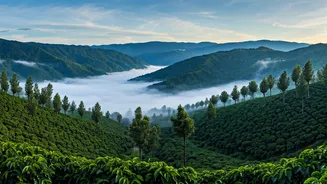
While the major destinations are popular for a reason, Kerala's beauty lies in its countless hidden corners. The serene backwaters of Ashtamudi Lake in Kollam offer a less crowded but equally enchanting experience compared to their more famous counterparts. Hill stations like Ponmudi, near Trivandrum, provide stunning views of rolling hills and winding streams. In Palakkad, the Nelliyampathy hills, with their coffee and cardamom plantations, offer a different flavour of the Western Ghats. Each district holds its own secrets, from the secluded waterfalls of Idukki to the historic forts along the coast, ensuring that every trip to Kerala can uncover something new.