







A Drier Than Normal Monsoon
India's 2026 southwest monsoon, which runs from June to September, has officially ended with a significant rainfall deficit. According to the India Meteorological Department (IMD), the country received rainfall that was about 13% below the long-period
average. This makes it the weakest monsoon season in over a decade. The shortfall was not uniform, with some regions experiencing severe deficits. The south peninsula and the east and northeast regions were particularly hard-hit, receiving only about 76% and 74% of their normal rainfall, respectively. This erratic and deficient rainfall is largely attributed to a strengthening El Niño phenomenon in the Pacific Ocean, which is known to weaken the monsoon winds that bring crucial rain to the subcontinent.
Impact on Kharif Pulse Crops
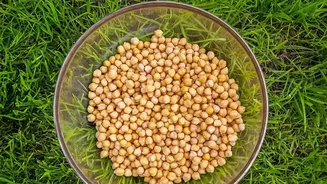
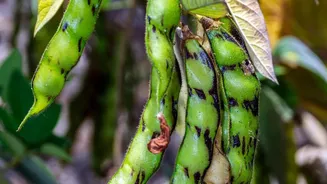
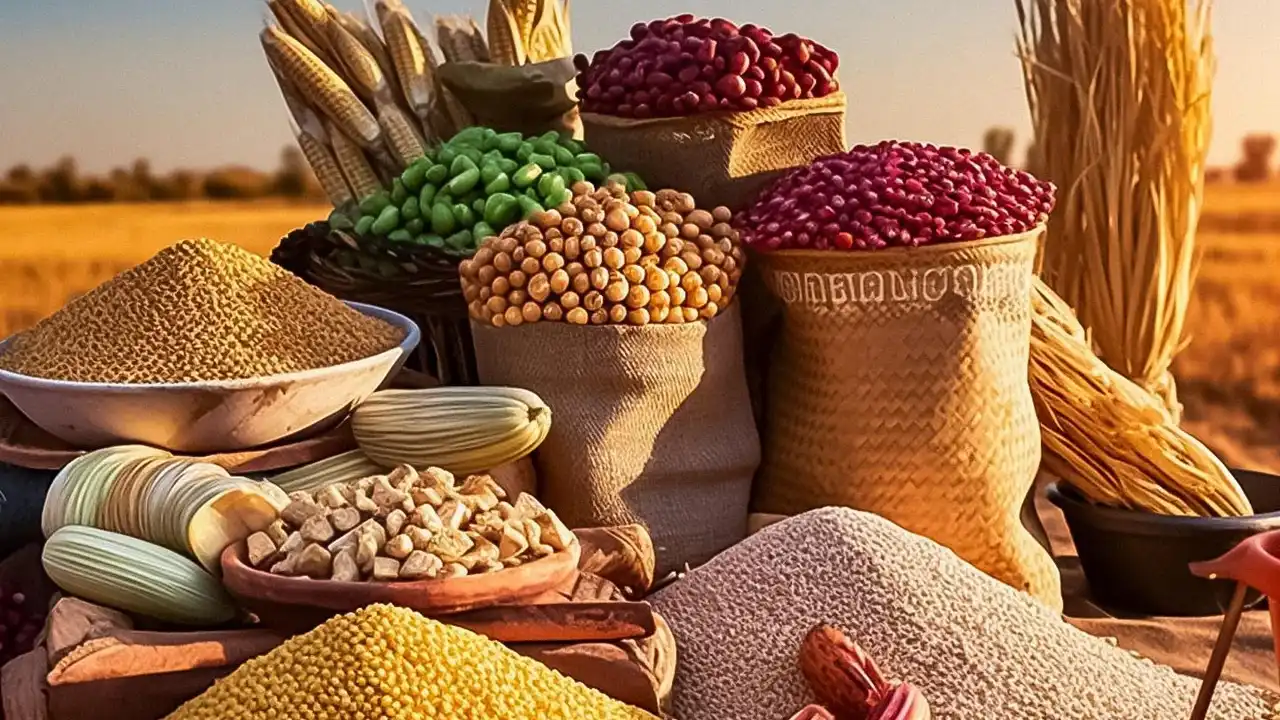
Pulses, especially varieties like tur (arhar), urad, and moong, are predominantly grown as Kharif crops, meaning they are sown during the monsoon season and are heavily reliant on rain for irrigation. The prolonged dry spells and uneven rainfall this year have created significant moisture stress in the soil just as these crops entered their critical growth and pod-forming stages. Consequently, the sowing area for pulses has seen a decline in key producing states like Karnataka and Maharashtra. Farmers and agricultural experts have raised concerns about lower crop yields, which directly translates to a smaller domestic harvest. Early data has already shown a decrease in the total area sown with key Kharif crops compared to the previous year.
The Inevitable Price Surge
With fears of a lower domestic output and existing stocks dwindling, the market has responded with a sharp increase in pulse prices. Over the last month, wholesale prices for key pulses have jumped significantly. Tur dal, a household essential, has seen prices climb by as much as Rs 20 to Rs 30 per kilogram in just a few weeks in some retail markets, now selling for around Rs 140 to Rs 150 per kg. Data from the Department of Consumer Affairs shows the all-India average retail price for Tur/Arhar dal at nearly Rs 125 per kg as of early October, a noticeable increase over the past year. This price pressure is compounded by the festive season, a time when demand for food items, including pulses, naturally increases.
Government Turns to Imports
To cool down the surging prices and ensure adequate availability for consumers, the Indian government is leaning on its import policy. India is the world's largest producer, consumer, and importer of pulses. To manage the current shortfall, the government has already kept imports of tur and urad under the 'free' category, extending this policy until March 2027. This allows for unrestricted imports to supplement domestic supply. Furthermore, officials are reportedly considering lowering the import tariffs on other pulses like lentils (masoor) and yellow peas to make them cheaper to bring into the country. This strategy aims to bridge the gap between domestic production and demand, which has been widening due to the poor monsoon.
What This Means for Your Kitchen
The combination of a weak harvest and higher import dependency means that consumers are likely to face elevated daal prices for the coming months. Economists are forecasting that overall food inflation will remain high, potentially crossing 7% in October. While imports can help stabilize the market, global prices are also on the rise, partly due to production concerns in major exporting countries in Africa. The government's actions, such as releasing buffer stocks and adjusting import duties, will be crucial in determining the extent of the price pinch felt in household budgets across the country. For now, the journey of the humble pulse from the farm to the dinner plate is navigating a path of climatic uncertainty and economic pressure.