




A New Taste on the Urban Palate
For years, the urban Indian food landscape has been dominated by a familiar rotation of North Indian, South Indian, and Indo-Chinese fare. But recently, a quiet yet powerful shift has begun. Adventurous eaters in cities like Delhi, Mumbai, and Bangalore
are increasingly seeking out more niche, authentic flavours. This curiosity has opened the door for the cuisines of India's diverse tribal communities to find a new, appreciative audience. From the smoky pork dishes of Nagaland to the hearty snacks of Jharkhand, these foods offer a taste of a culinary heritage that is rich, complex, and deeply connected to the land. What was once a meal enjoyed only within a community is now becoming a celebrated choice for discerning urban diners.
The Cloud Kitchen Catalyst
This culinary migration is being powered by the rise of the cloud kitchen model. These delivery-only kitchens, also known as ghost kitchens, eliminate the need for expensive restaurant real estate and front-of-house staff. For small-scale entrepreneurs, especially home chefs from tribal communities, this low-investment model is a game-changer. It provides a direct channel to customers through delivery aggregators, allowing them to start a business based on their family recipes and culinary traditions without massive upfront costs. This digital-first approach allows a home chef in Delhi to share her grandmother's Naga recipes or a cook in Bangalore to introduce diners to Jharkhand's famous dhuska, all from a modest kitchen setup. By focusing solely on food quality and delivery, these micro-entrepreneurs can compete in a crowded market based on the authenticity and uniqueness of their offerings.
Flavours from the Homeland
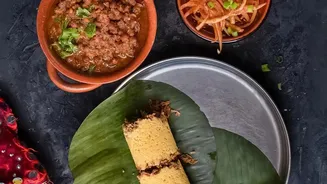
The diversity of dishes now available is staggering. In Delhi, delivery kitchens run by Naga entrepreneurs are making waves. Dishes like smoked pork with axone (fermented soybean) or bamboo shoot curry offer a palette of smoky, pungent, and savoury flavours that are distinctly different from mainstream Indian cooking. Similarly, home chefs from Meghalaya are bringing Khasi specialities like Jadoh (rice and meat cooked with pork fat) and Doh Neiiong (pork with black sesame) to cities like Mumbai. In Bangalore, you can find cloud kitchens dedicated to the cuisine of Jharkhand, serving up Dhuska, a fried snack made from rice and lentil batter, with spicy ghugni. These are not just meals; they are stories on a plate, each ingredient and cooking technique carrying generations of tradition.
More Than Just a Meal
The growing popularity of tribal food is more than just a food trend; it's a vital act of cultural preservation. For many entrepreneurs, their cloud kitchen is a way to keep their heritage alive and share it with the world. It challenges stereotypes and introduces a wider audience to the nuances of tribal cultures, which are often misunderstood. Each order placed is an affirmation of their identity and a step towards economic empowerment. These businesses create a direct link between the consumer and the community, fostering a deeper appreciation for India’s incredible diversity. By turning family recipes into viable businesses, these chefs are not only earning a livelihood but also ensuring their culinary traditions thrive in the modern world.
Challenges on the Plate
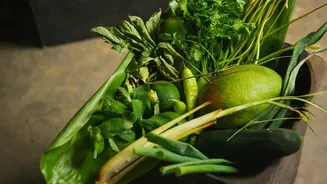
The journey is not without its hurdles. Sourcing authentic ingredients, such as specific chillies, fermented products like axone, or unique herbs from remote hometowns, can be a major logistical challenge. Marketing is another significant task; chefs must educate a new customer base about unfamiliar dishes and flavour profiles. For instance, the pungent aroma of fermented ingredients, which is beloved in Naga cuisine, can be new and sometimes challenging for uninitiated palates. Despite these obstacles, the passion for sharing their food and the positive reception from curious customers keep these culinary pioneers going, one delicious delivery at a time.