

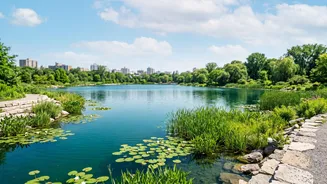
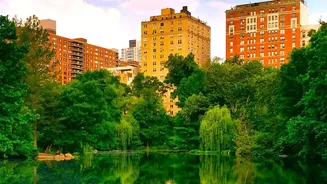
As Indian cities grapple with fiercer heatwaves and frequent, intense floods, the solution might lie in plain sight: our neglected lakes and ponds. These are not just water bodies; they are vital urban infrastructure for climate resilience.
The Vanishing Urban Sponges
Across India,
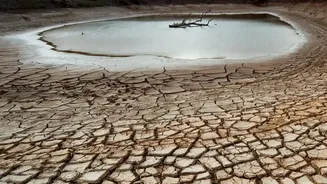
a silent crisis is unfolding. The natural 'sponges' that once dotted our cityscapes—lakes, ponds, and wetlands—are disappearing at an alarming rate. Bengaluru, once famed for its interconnected network of over 1,800 lakes, now has fewer than 200. Similarly, a study of Chennai's major lakes revealed that some have lost over 75% of their original area. This disappearance is driven by a combination of illegal encroachment for construction, rampant pollution from untreated sewage and industrial waste, and general neglect in urban planning. As concrete replaces these natural recharge zones, cities lose their ability to absorb and manage water, turning them into vulnerable hotspots for climate-related disasters.
A Natural Defence Against Deluge
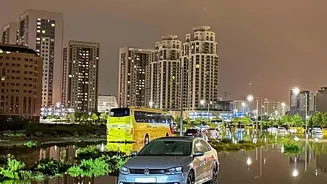
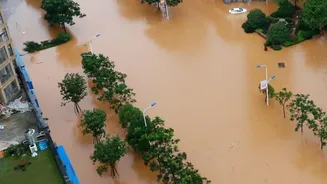
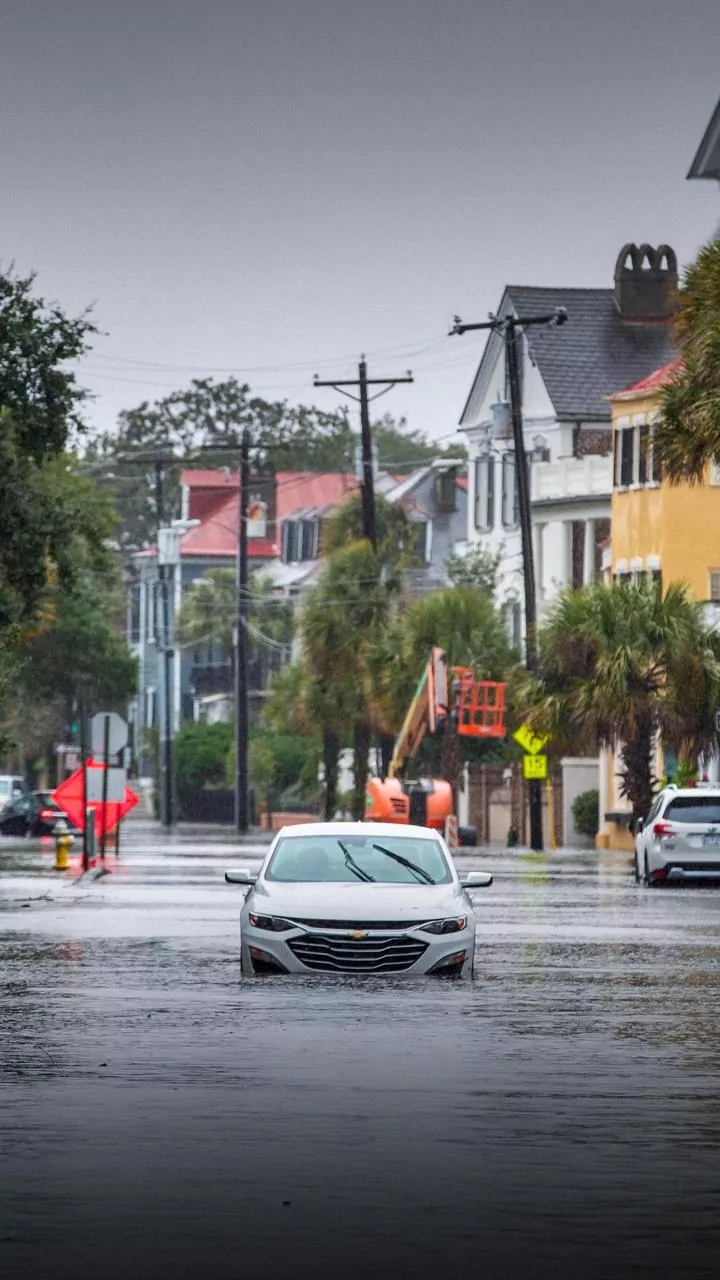
One of the most immediate and visible consequences of vanishing water bodies is urban flooding. Healthy lakes and wetlands act as natural buffers, absorbing enormous quantities of rainwater and slowing down runoff. When these are paved over or choked with silt and garbage, the water has nowhere to go, leading to the inundated streets and paralysed city life now common during monsoons. Devastating floods in cities like Chennai in 2015 and Hyderabad in 2020 have been directly linked to the loss of the wetlands and lakes that once provided natural drainage. Restoring these water bodies is a crucial, nature-based solution to mitigate flood risk, often more effective and sustainable than building concrete stormwater drains.
Nature's Air Conditioners
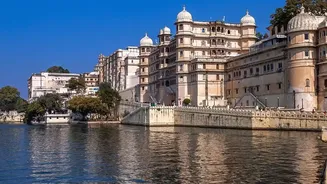
Urban areas, with their dense concentration of concrete and asphalt, absorb and retain heat, creating 'heat islands' that are significantly warmer than surrounding rural areas. Water bodies provide a powerful antidote. Through a process of evaporative cooling, lakes and ponds can lower ambient air temperatures in their vicinity, providing much-needed relief during scorching summers. Research shows that large water bodies can substantially reduce daytime heat stress. As climate change leads to more frequent and intense heatwaves, preserving and reviving these natural cooling systems is not just a matter of comfort, but of public health.
Replenishing a Critical Lifeline
Beneath the visible crisis of floods and heat lies another critical issue: dwindling groundwater. For many Indian cities, groundwater is a primary source of drinking water, but unregulated extraction has led to rapidly falling water tables. Lakes and ponds play an essential role in replenishing these underground aquifers. By allowing rainwater to percolate slowly into the ground, they recharge the water supply that millions depend on. The loss of these recharge zones, as seen in Bengaluru, has a direct impact on water security, forcing cities to rely on expensive and energy-intensive schemes to pump water from distant sources. Protecting urban water bodies is, therefore, a direct investment in a city's future water supply.
A Path to Revival
The good news is that the decline is reversible. Across the country, successful restoration projects offer a blueprint for the future. In Chennai, the restoration of over 200 water bodies, including the large scale Kadapakkam Lake project, is being implemented as part of an integrated flood management plan. Delhi's Rajokri Lake was revived using low cost, natural methods to treat incoming wastewater, turning a polluted water body into a community asset. These initiatives show that a combination of government will, scientific methods, and community participation can bring dead lakes back to life. By viewing water bodies as essential infrastructure, cities can unlock immense benefits for both people and nature.