




The Gap Between Advice and Reality
The world of wellness often presents healthy eating as a straightforward choice. Cook from scratch, buy organic, eat a rainbow of fresh vegetables. But this narrative frequently overlooks three critical factors that dictate our food choices more than
anything else: time, access, and budget. When advice is detached from these realities, it can do more harm than good, creating feelings of failure and frustration. The truth is, for millions of Indians, the main challenge isn't a lack of desire to eat well, but a lack of resources. Acknowledging this gap is the first step toward building a more inclusive and realistic approach to nutrition that works for everyone, not just a privileged few.
The Unforgiving Time Crunch
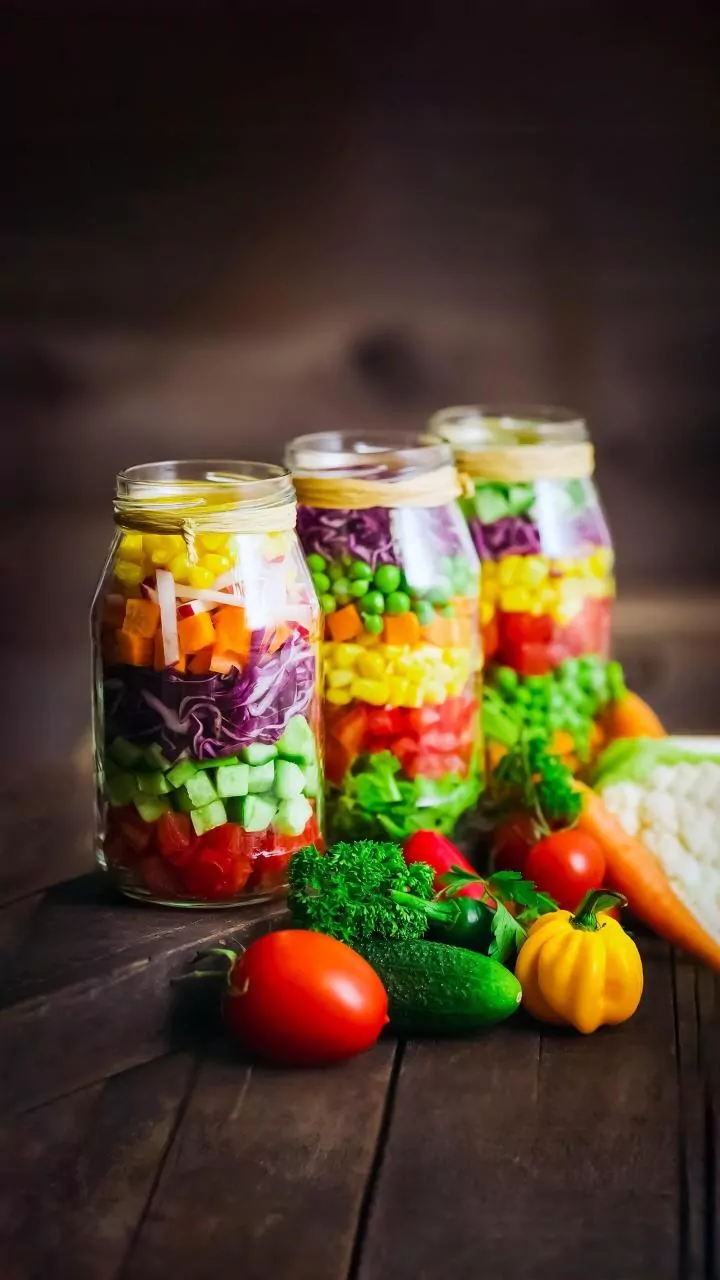
In an ideal world, we would all have hours to dedicate to meal planning, grocery shopping at multiple stores, and lovingly preparing nutritious meals from scratch. In the real world of dual-income households, long commutes, and endless responsibilities, time is our most precious and limited commodity. The expectation to cook every meal from fresh ingredients places an enormous burden on individuals, particularly women, who often shoulder a disproportionate amount of domestic labour. Processed and ready-to-eat meals, while often higher in salt, sugar, and unhealthy fats, offer a solution to the immediate problem of getting food on the table quickly. Any practical nutrition plan must therefore include time-saving strategies that don't compromise entirely on health, such as batch cooking or using healthy convenience foods.
When Healthy Food Isn't Nearby
The concept of a 'food desert'—an area where affordable, healthy food is difficult to obtain—is a growing concern in urban India. While our cities may not lack food retailers, low-income neighbourhoods often have a higher concentration of shops selling processed snacks and sugary drinks than fresh produce. Even when fresh food is available, its quality can be poor and its price inflated. For those without personal transport, travelling to larger supermarkets or farmers' markets is an added barrier of time and cost. This lack of access means that for many, the 'choice' to eat healthy is purely theoretical. The most convenient and affordable options are often the least nutritious, creating a cycle of poor diet and related health issues.
The Myth of Cheap, Healthy Eating
While it's a popular belief that a traditional Indian diet is inherently cheap and healthy, the reality is more complex. Yes, staples like dal, rice, and seasonal vegetables can be affordable. However, the cost of creating a truly balanced diet that includes a variety of fruits, vegetables, lean proteins, and dairy can be prohibitive for a huge portion of the population. Studies have shown that a significant number of Indians cannot afford a diet that meets recommended nutritional guidelines. The rising prices of healthy staples, coupled with the aggressive marketing of cheap, high-calorie processed foods, puts healthier choices out of reach for many families. The idea that eating well is simply a matter of making better choices ignores this fundamental economic barrier.
A Smarter, More Realistic Approach
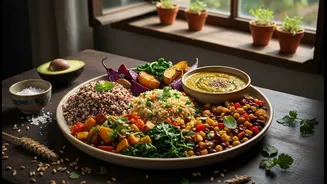
So, what’s the solution? It starts with shifting our mindset from perfection to progress. Instead of chasing an unattainable ideal, focus on making small, sustainable improvements that fit your life. Don't have time to cook daily? Try batch-cooking simple meals like dal or sabzi on the weekend. Worried about your budget? Focus on affordable, nutrient-dense foods like lentils, chickpeas, eggs, peanuts, and seasonal local vegetables, rather than expensive 'superfoods'. Access an issue? Utilise long-lasting alternatives. Canned beans and frozen vegetables retain most of their nutrients and are great, affordable options when fresh produce is hard to come by. The goal is to build a foundation of 'good enough' meals, not to create a perfectly curated diet every single day. This approach reduces stress and makes healthy habits feel achievable.