





An Affair of Senses and Memory
The connection between the monsoon and certain foods in India is more than just a habit; it's a multi-sensory ritual. The aroma of wet earth, the sound of sizzling oil, and the warmth of a freshly fried snack create an experience that is deeply ingrained
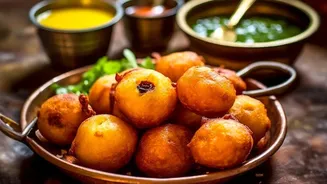
in the cultural psyche. Dishes like pakoras (fritters), samosas, and roasted corn on the cob (bhutta) are not just food; they are an event. Across the country, the response to a downpour is almost universal: it's 'pakora weather'. This deep-seated association is the foundation of the trend, linking the weather to a specific and powerful food memory that spans generations.
Nostalgia Served Hot
For many young Indians, these monsoon recipes are a direct link to their childhood. They evoke memories of grandparents preparing snacks, of families gathering to watch the rain, and of the simple joy of a hot treat on a cool, wet day. In a fast-paced, digital world, this connection to the past offers a powerful sense of comfort and grounding. Food becomes a vehicle for nostalgia, and preparing a plate of Kanda Bhaji (onion fritters) or Parippu Vada (lentil fritters) is a way of recreating those cherished moments. This emotional resonance is a key driver behind their popularity, making them more than just a meal, but a comforting experience.
Old Recipes, New Reels
Social media, particularly Instagram Reels, has become the new stage for these old-school recipes. Young food bloggers and home cooks are showcasing these traditional snacks with a modern aesthetic. They use slick editing, appealing visuals, and trending audio to make a simple plate of pakoras look like a culinary masterpiece. The 'camera eats first' culture means that the visual appeal of food is paramount. The golden-brown crispiness of a samosa, the vibrant green of a spicy chutney, or the smoky char on a bhutta are perfect for short-form video, making them instantly shareable and desirable. This digital makeover introduces classic recipes to a new audience that discovers food through their feeds.
A Return to Regional Roots
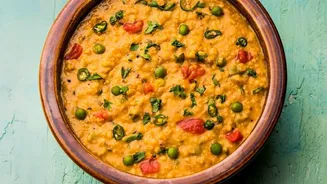
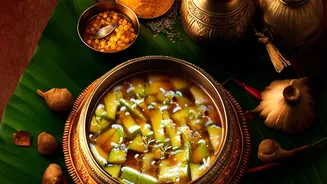
While pan-Indian snacks are popular, this trend also highlights a growing interest in regional and hyper-local monsoon specialities. Young foodies are exploring beyond the usual suspects and discovering dishes unique to different states. This includes Bengal's khichuri with beguni (brinjal fritters), Maharashtra's steamed patolya, or Kerala's medicinal karkidaka kanji. This exploration signifies a deeper engagement with heritage, as creators share not just the recipe but also the story and cultural context behind the dish. It's a celebration of India's culinary diversity, with each region's unique response to the rainy season finding a national audience online.
Comfort, Health, and Authenticity
Beyond taste and visuals, these traditional recipes tap into a contemporary desire for authenticity and wellness. Many of these dishes are rooted in Ayurvedic principles, designed to be warming and easy to digest during the damp monsoon months, using spices like ginger, turmeric, and black pepper that boost immunity. For a generation increasingly focused on wellness, this inherent 'wisdom' in traditional food is appealing. Gen Z and millennials are not just seeking new flavours; they are looking for experiences that feel real and rooted in culture. These recipes, passed down through generations, offer a sense of authenticity that is often missing in a world of processed foods and fleeting trends.