



An Ancient Staple's Modern Moment
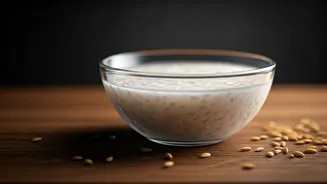
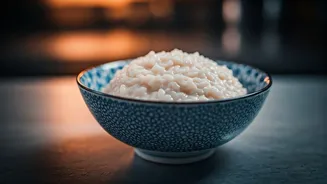
What was once a simple way to preserve leftover rice has become the latest star in wellness circles. Known by many names across India—like 'Panta Bhat' in the east, 'Pazhaya Soru' in the south, or 'Ganji Annam'—fermented rice is essentially cooked rice that’s
been soaked in water and left to ferment overnight. [1, 6, 12] This age-old practice, born from frugality, is now being rediscovered for its potential health benefits. [1, 17] The process is simple: during the overnight soak, naturally occurring beneficial bacteria get to work, transforming the rice through lactic acid fermentation. [1, 3] This alters its nutritional makeup, creating a dish with a mildly tangy taste that has been a comfort food for generations. [1, 15]
Why the Sudden Wellness Buzz?
The excitement around fermented rice centres on its purported benefits for gut health. Proponents claim it's a powerhouse of probiotics, the 'good' bacteria essential for a healthy digestive system. [5] These live microorganisms are said to help balance the gut microbiome, which can improve digestion and reduce common issues like bloating and constipation. [1, 4] Beyond probiotics, the fermentation process is believed to make the rice more digestible by breaking down complex starches. [1, 5] Another key claim is that it enhances nutrient absorption. The idea is that fermentation reduces 'anti-nutrients' like phytic acid, which can bind to minerals and prevent them from being absorbed by the body. [2, 12, 20]
From Tradition to Science
Scientific interest in this traditional food is growing, and early findings are promising. Studies confirm that fermentation significantly increases the presence of beneficial microbes, particularly Lactic Acid Bacteria (LAB) like Lactobacillus. [2, 24] These are the same types of probiotics found in yogurt and other fermented dairy products. Research also supports the claim that fermentation enhances the bioavailability of several key nutrients. [5] One study noted that after a 12-hour fermentation, the iron content in a sample of rice increased from 3.4 mg to 73.91 mg per 100g, while calcium rose from 21 mg to 850 mg. [17, 21] The process also appears to increase the levels of B vitamins, including B6 and B12. [1, 15] These changes effectively turn a simple grain into a more nutrient-dense food. [5, 8]
The 'Gut Healing' Claim: Fact or Fiction?
While fermented rice is rich in probiotics and nutrients that support gut health, the term 'healing' should be approached with caution. Probiotics do contribute to a healthy gut environment, which is crucial for overall immunity and well-being. [1, 4, 8] Some studies have explored its role in managing symptoms of conditions like Irritable Bowel Syndrome (IBS) and Inflammatory Bowel Disease (IBD), with one small study showing that some IBD patients became symptom-free. [2, 11] However, this doesn't mean fermented rice is a cure. Think of it as a supportive food that helps maintain a balanced gut ecosystem rather than a standalone medical treatment. It nourishes the cells in the colon and can help reduce inflammation, but large-scale human clinical trials are still needed to make definitive 'healing' claims. [2, 4]
How to Try It Safely
Making fermented rice at home is straightforward. Simply soak leftover cooked rice in a clean pot (traditionally clay) with enough water to cover it and leave it overnight at room temperature for 8-12 hours. [6, 11, 16] In the morning, the rice will be slightly sour and soft. It’s often enjoyed with salt, curd, chopped onions, and green chillies. [6] While it's a traditional and generally safe food, hygiene is crucial. Using unclean pots or fermenting for too long can lead to the growth of harmful bacteria. [7] If you're new to fermented foods, it’s wise to start with a small amount to see how your body reacts. Some people may experience temporary gas or bloating as their gut adjusts. [27] People with compromised immune systems or histamine intolerance should be particularly cautious with fermented foods. [7, 28]