


A World Awakens
Every year, on the first of June, a collective sigh of anticipation is released by adventure enthusiasts across India. The Valley of Flowers National Park, a high-altitude Himalayan valley, officially reopens to visitors. After a long and harsh winter,
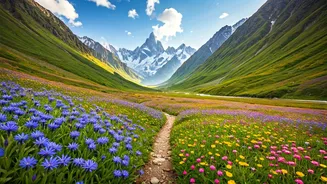
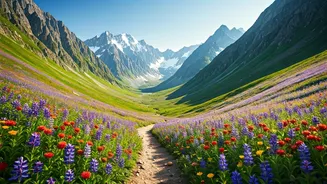
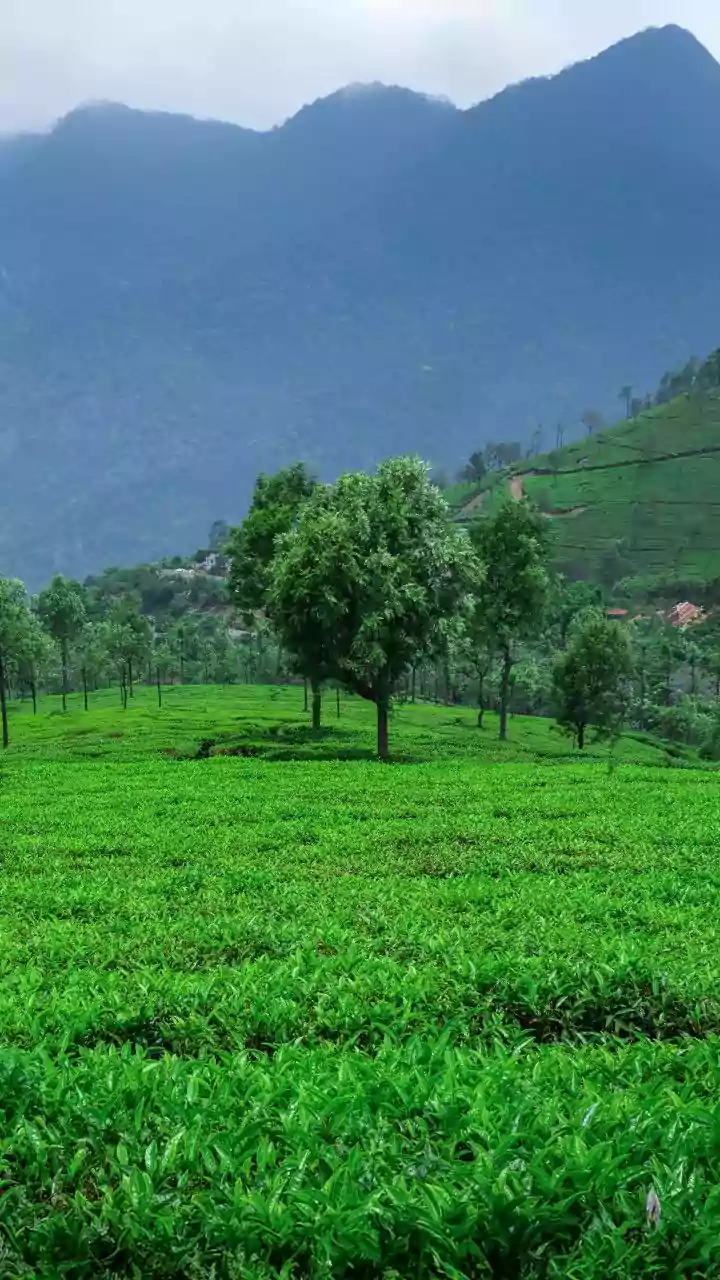
the melting snow gives way to one of nature’s most spectacular displays. This year is no different. The 'long winter freeze' mentioned in countless reports has primed the soil for what experts hope will be an exceptionally vibrant and lush blooming season. Located in the Nanda Devi Biosphere Reserve, the valley is not just a trek; it’s an entry into a living, breathing canvas of over 500 species of wildflowers.
Planning Your Journey: The Itinerary
Reaching this remote paradise is part of the adventure. The journey typically begins from Rishikesh or Haridwar. From there, you drive to Joshimath, a bustling hill town that serves as a good acclimatisation spot. The next day, you drive to Govindghat or Pulna, which is the starting point of the trek. The first leg is a 14-kilometre trail to Ghangaria, a small settlement that acts as the base camp for both the Valley of Flowers and the sacred Hemkund Sahib. This trek along the Pushpawati River is moderately challenging but rewards you with breathtaking mountain views. It’s essential to take it slow and stay hydrated to acclimatise to the altitude, which is around 3,049 metres (10,000 feet) at Ghangaria.
Timing Is Everything
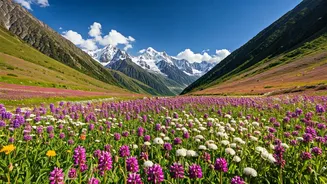
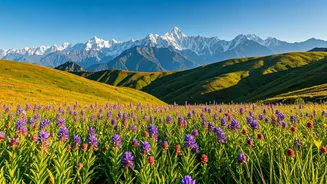
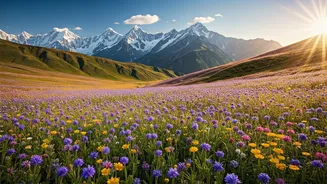
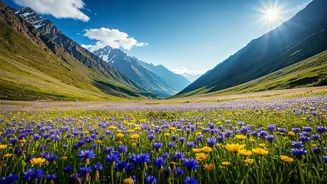
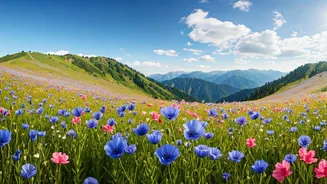
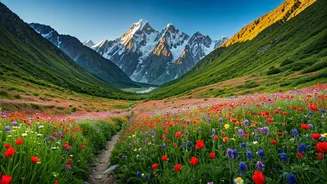
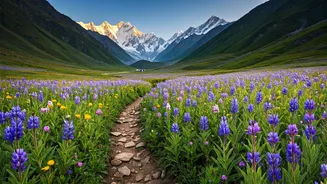
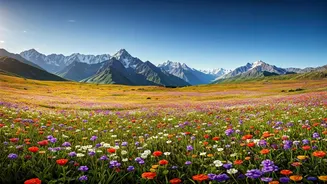
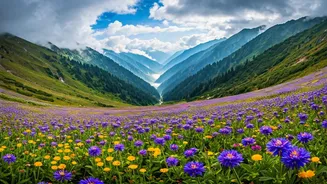
While the park opens in June, the valley’s character changes every few weeks. June offers a greener, fresher landscape with early blooms and fewer crowds. The real spectacle, however, begins in mid-July and peaks in August. During this time, the valley floor is carpeted with a riot of colours—pink, purple, yellow, and blue flowers stretch as far as the eye can see. This is when you’ll find iconic species like the Blue Poppy, Cobra Lily, and countless varieties of Balsam and Geranium in their full glory. By September, the colours begin to fade, giving way to autumnal hues before the park closes again in early October, surrendering once more to the snow.
The Trek Into The Valley
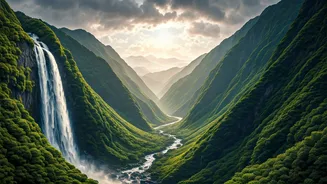
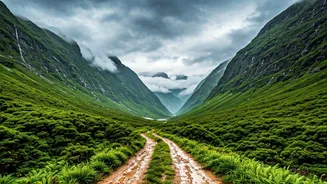
From Ghangaria, a separate path leads into the Valley of Flowers. After obtaining a permit from the Forest Department checkpoint, you embark on a relatively gentle 3-4 kilometre trek into the core zone. The trail itself is a floral gallery. You are not allowed to stay overnight within the valley, so trekkers must return to Ghangaria by evening. This rule helps preserve the fragile ecosystem. The air is thin, crisp, and filled with the scent of wildflowers and damp earth. Waterfalls cascade down steep cliffs, and the Pushpawati river meanders through the heart of it all. It’s a sensory experience that photos can only hint at.
Essential Packing and Tips
Proper preparation is key to enjoying this trek safely. First and foremost, invest in a sturdy, comfortable pair of waterproof trekking shoes. The weather in the Himalayas is notoriously unpredictable, so pack layers—thermals, fleece jackets, and a reliable rain jacket or poncho are non-negotiable. Other essentials include a sun hat, sunscreen, sunglasses, a personal medical kit, and energy-giving snacks like nuts and chocolate. Carry a reusable water bottle to stay hydrated. While Ghangaria has basic guesthouses and dhabas, booking accommodation in advance, especially during the peak season of July and August, is highly recommended.
Don't Miss Hemkund Sahib
If you have an extra day and the energy, the steep trek to Hemkund Sahib is a worthy addition to your itinerary. Located at an altitude of 4,329 metres (14,200 feet), this sacred Sikh gurudwara sits beside a glacial lake. The 6-kilometre climb from Ghangaria is challenging but spiritually and scenically rewarding. You might even spot the rare and beautiful Brahmakamal flower, which blooms here in abundance during the monsoon season. It offers a stunning panoramic view of the surrounding snow-capped peaks and provides a powerful cultural and spiritual counterpoint to the natural beauty of the Valley of Flowers.