



1. Tadoba-Andhari Tiger Reserve, Maharashtra
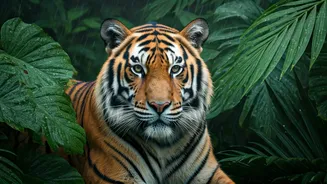
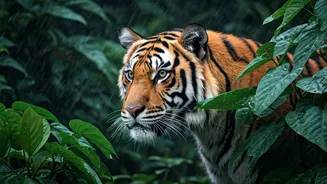
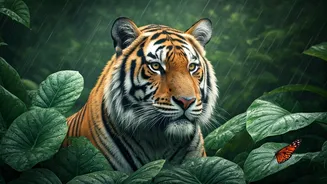
Often hailed as one of India's best tiger-sighting destinations, Tadoba doesn't disappoint, even in the monsoon. While many national parks close their core zones from June to October, Tadoba strategically keeps several of its gates and buffer zones open
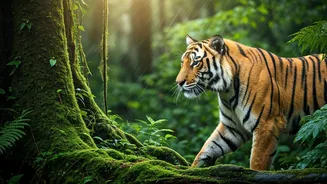
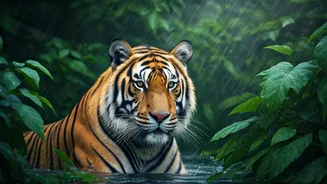
for tourism. The rain washes the dust off the foliage, creating a stunning emerald backdrop for wildlife photography. The downpours fill the park's waterholes, which can concentrate animal activity. Tigers, not shy of the rain, are often seen patrolling their territories along the safari tracks. Besides the star attraction, you can spot leopards, sloth bears, wild dogs (dholes), and a magnificent array of resident and migratory birds that thrive in the wet conditions. The experience is less about chasing sightings and more about immersing yourself in a jungle that feels truly alive.
2. Jim Corbett National Park (Buffer Zones), Uttarakhand
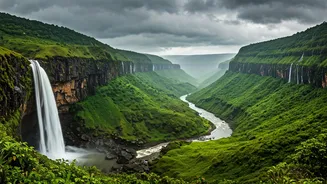
While the core areas of India’s oldest national park are closed during the monsoon, the adventure continues in its spectacular buffer zones. The Jhirna, Dhela, and Sitabani zones remain accessible and offer a completely different safari experience. The landscape, nestled in the Himalayan foothills, becomes incredibly scenic with misty mountains and overflowing streams. This season is particularly special for spotting herds of elephants, which descend to the lower grasslands. The dense, rain-fed vegetation also makes it a haven for birdwatchers, with species like the Great Hornbill and various kingfishers making their presence known. A monsoon safari here is quieter, more intimate, and focuses on the breathtaking beauty of a rejuvenated forest.
3. Periyar National Park, Kerala
Periyar is a year-round destination, but it takes on a magical quality during the monsoon. Located in the heart of the Western Ghats, the park is centred around a large artificial lake. The primary mode of exploration here is by boat, which is an exceptional way to experience the forest during the rains. As you glide across the lake, you can see herds of elephants, sambar deer, gaur (Indian bison), and wild boars coming to the water's edge to drink. The cool, misty weather and the sound of the rain drumming on the forest canopy create a serene and unforgettable atmosphere. It’s also an excellent time for spotting the Malabar giant squirrel and the elusive Nilgiri langur. For a more immersive experience, guided nature walks and bamboo rafting are also available, offering a close-up view of the rain-soaked ecosystem.
4. Ranthambore National Park (Buffer Zones), Rajasthan
Similar to Corbett, Rajasthan’s iconic Ranthambore National Park closes its premium core zones (1-5) during the monsoon. However, it keeps its buffer zones (6-10) open for safari enthusiasts. These zones, while historically having a lower tiger density, have become increasingly promising for sightings in recent years. The real draw, however, is the landscape. The arid Aravalli hills are transformed into a verdant spectacle, with lush greenery covering the ancient forts and ruins within the park. The crowds are significantly thinner, allowing for a more peaceful and personal connection with nature. You might spot leopards, which are well-adapted to the rocky terrain, along with sloth bears, crocodiles, and a rich diversity of birdlife enjoying the replenished water bodies.
5. Kabini (Nagarhole National Park), Karnataka
Part of the Nagarhole National Park, Kabini is a premier wildlife destination that shines brightly during the monsoon. The forest becomes a dazzling green, and the Kabini River and its backwaters swell, attracting large herds of Asiatic elephants. This is arguably the best time and place in India to witness the magnificent congregations of elephants. The rain also brings out the predators. Leopards are frequently sighted on tree branches, and the park’s famous black panther, Saya, is often more active in the cooler, overcast weather. The combination of boat safaris on the river and jeep safaris through the dense forest provides a comprehensive wildlife experience. The moody, dramatic skies of the monsoon make for stunning photographs, capturing the raw beauty of the Western Ghats.