






1. Feed Your Gut's Good Side
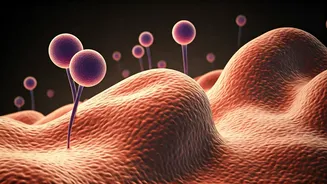
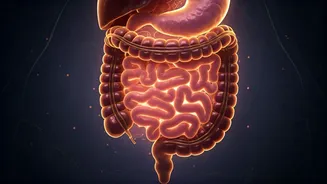
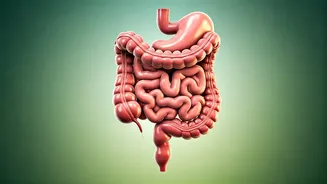
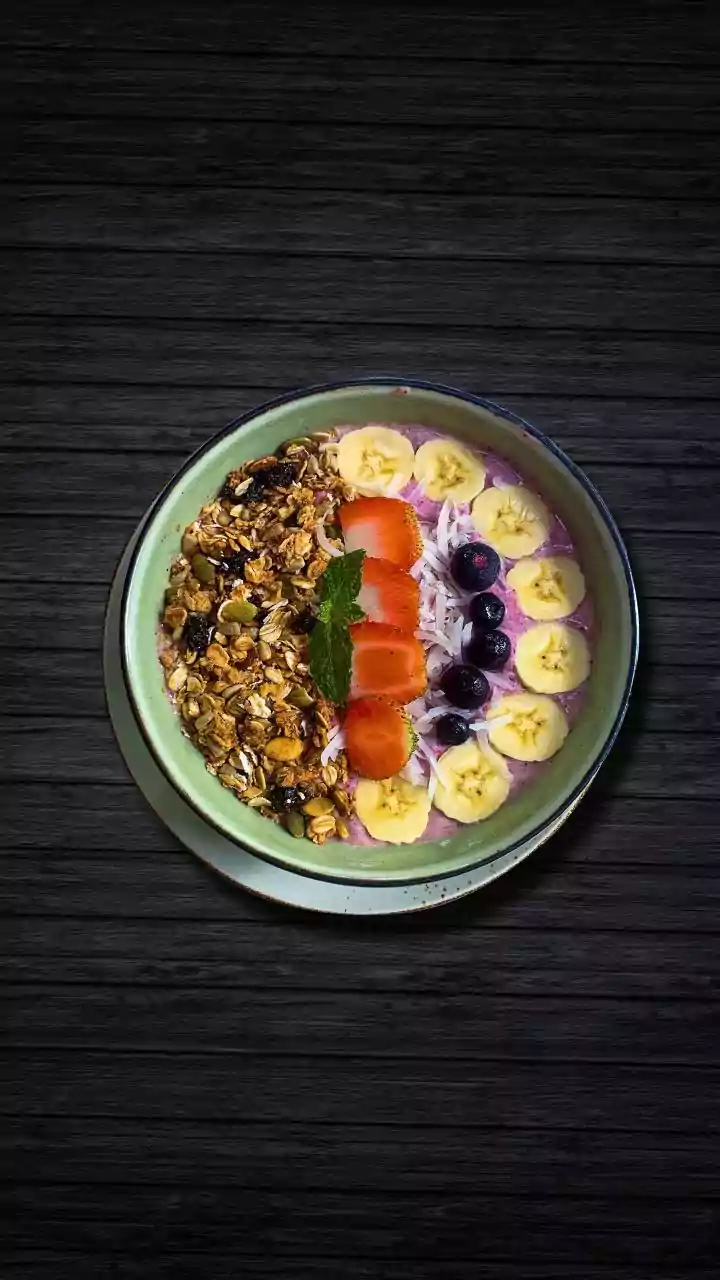
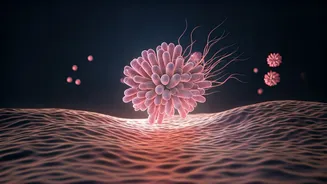
Your gut is home to trillions of microorganisms, and the good ones thrive on fibre. Think of fibre as the ultimate superfood for your gut microbiome. There are two types you need: soluble fibre (found in oats, apples, and beans) which helps control blood
sugar, and insoluble fibre (in whole grains and vegetables like cauliflower and green beans) which keeps your digestive system moving. Aiming for a diverse range of plant-based foods is the best strategy. Try to eat 30 different plant types a week—this includes fruits, vegetables, nuts, seeds, and whole grains. It might sound like a lot, but a mixed-nut snack, a side salad, and switching between brown rice and quinoa gets you there faster than you think. This variety ensures your gut bacteria have a rich, balanced diet, which in turn supports everything from your immune system to your mental clarity.
2. Embrace Fermented Foods
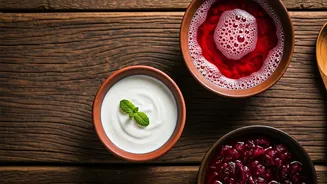
Fermented foods are natural sources of probiotics—live bacteria that are good for you. They’ve been a staple in Indian diets for centuries for a reason. Dahi (yoghurt), lassi, and traditional pickles (the kind fermented in brine, not vinegar) are packed with beneficial microbes that help reinforce your gut’s natural population of good bacteria. When you eat these foods, you’re sending reinforcements to help maintain a healthy balance in your gut ecosystem. This can help improve digestion, reduce bloating, and even support a stronger immune response. You don't need to overdo it; a small serving of dahi with your lunch or a glass of buttermilk can make a meaningful difference over time. Look for products with 'live and active cultures' on the label to ensure you're getting the real deal.
3. Hydration Is Non-Negotiable
Water plays a critical role in gut health that often gets overlooked. It’s essential for breaking down food and absorbing nutrients. More importantly, it helps keep your intestinal lining healthy and promotes the right balance of good bacteria in the gut. Dehydration can lead to constipation and disrupt the delicate mucosal lining of the intestines. While the 'eight glasses a day' rule is a good starting point, your needs may vary based on activity level and climate. The goal is to drink water consistently throughout the day, not just when you feel thirsty. Herbal teas and water infused with mint or lemon can also contribute to your daily intake while adding extra flavour and benefits.
4. Manage Your Stress
The gut-brain axis is a real thing. This two-way communication highway means that your mental state directly affects your gut, and vice-versa. When you’re stressed, your body releases cortisol, a hormone that can disrupt the balance of your gut flora, increase inflammation, and even make your gut lining more permeable. This is why you might experience digestive issues when you’re feeling anxious or under pressure. Incorporating stress-management techniques into your daily routine is crucial for gut health. This could be anything from a 10-minute morning meditation, deep breathing exercises during your work break, practicing yoga, or simply taking a quiet walk in nature. Finding what works for you and making it a consistent habit can calm both your mind and your digestive system.
5. Prioritise Your Sleep
Just like you, your gut has a daily rhythm. A consistent sleep schedule helps regulate your circadian rhythm, which in turn influences the cycles of your gut microbes. When your sleep is erratic or insufficient, it can throw this rhythm off, negatively impacting the diversity and function of your gut microbiome. Research shows that even a couple of nights of poor sleep can alter your gut flora for the worse. Aim for 7-9 hours of quality sleep per night. To improve your sleep hygiene, try to go to bed and wake up around the same time every day, create a relaxing bedtime routine, and avoid screens for at least an hour before you turn in. A well-rested body supports a well-functioning, happy gut.