





A Season of Special Sabzis
While modern supply chains give us access to most produce year-round, the monsoon is a special time. It’s a season when nature dictates the menu, offering a unique bounty of vegetables that thrive in the damp, cool climate. These aren't your everyday
staples; they are wild, rustic, and packed with flavours and nutrients perfectly suited for the season. For generations, Indian households have celebrated this change, turning to traditional recipes that bring out the best in these rainy-day arrivals. From crunchy fritters to hearty curries, the return of these veggies marks a delicious shift in our culinary landscape, reminding us of the simple joy of eating what is fresh, local, and in season.
The Mighty Kantola (Spine Gourd)
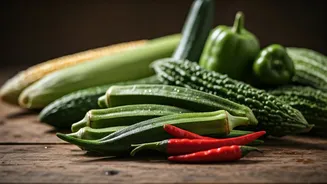
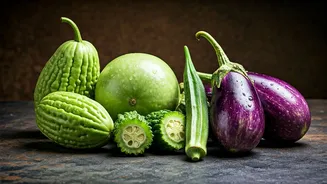
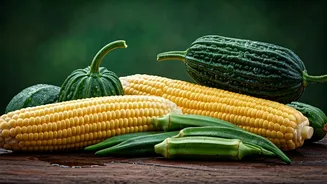
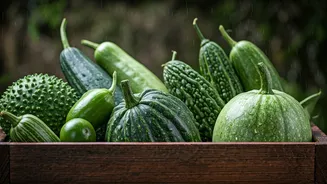
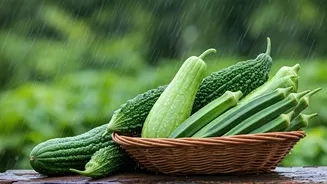
If the monsoon had a mascot, it might just be the kantola. This small, spiky green gourd, also known as kakora or teasel gourd, is a powerhouse of nutrition. Despite its intimidating exterior, its flesh is tender with a slightly bitter but pleasant taste. Traditionally valued for its health properties, it's believed to help control blood sugar and is loaded with antioxidants and fibre, making it great for digestion during a season when our systems can be sluggish. The most popular way to enjoy kantola is to slice it thin, marinate it in simple spices like turmeric and chilli powder, and pan-fry it to a crisp. It also shines in stuffed vegetable preparations or as a simple, flavourful stir-fry with onions and garlic. Its short-lived season makes it a prized find at the local market.
Earthy and Comforting Arbi (Taro Root)
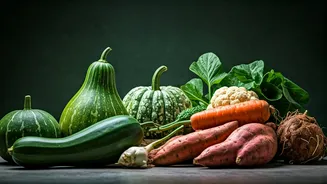
As the rains set in, the craving for warm, comforting food grows, and arbi, or taro root, fits the bill perfectly. This starchy root vegetable has an earthy, nutty flavour and a unique texture that can be either satisfyingly firm or delightfully creamy, depending on how it's cooked. It’s a fantastic source of carbohydrates and dietary fibre. However, a word of caution: arbi contains calcium oxalate, which can cause throat irritation if not prepared correctly. The trick is to always boil or pressure cook it before using it in a dish. Once cooked, it’s incredibly versatile. You can make a rich, tangy arbi curry with a yoghurt or tomato-based gravy, fry it with ajwain (carom seeds) for a classic dry sabzi, or even mash it to make delicious tikkis. Its comforting nature makes it a monsoon staple in many parts of the country.
The Ubiquitous Bhutta (Corn on the Cob)
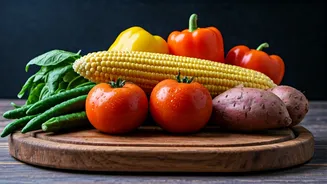
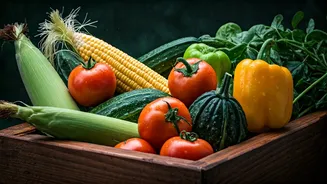
Nothing says monsoon in India quite like the sight and smell of a roadside vendor roasting bhutta over hot coals. While sweet corn is available throughout the year, the desi variety that appears with the rains is chewier, less sweet, and has a more robust, earthy flavour. This is street food at its finest and simplest. Roasted to a slight char and then rubbed generously with salt, chilli powder, and a squeeze of lime, it’s a sensory experience that’s deeply tied to the season. It’s not just a snack; it's a ritual. Beyond the classic roasted cob, these kernels are also used to make savoury pancakes (cheela), fritters (pakodas), and even added to upma or pulao for extra texture and flavour. It’s a simple, wholesome, and undeniably joyful part of the monsoon.
Graceful Gourds and Leafy Greens
The gourd family truly comes into its own during the monsoon. Vegetables like turai (ridge gourd) and lauki (bottle gourd), often dismissed as bland, become incredibly tender and flavourful. Turai, with its soft flesh and edible skin, is perfect for a light, soupy curry that’s easy on the stomach. Lauki can be transformed into savoury koftas or a simple, comforting sabzi tempered with cumin seeds. Another monsoon delicacy is patra or patrode, made from colocasia leaves. These large, heart-shaped leaves are layered with a spiced gram flour paste, rolled, steamed, and then sliced and pan-fried. It’s an intricate dish that showcases the culinary creativity born from seasonal availability, offering a unique combination of spicy, sweet, and tangy flavours.