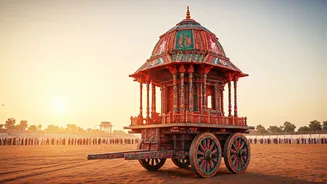









Understanding the Sacred Journey
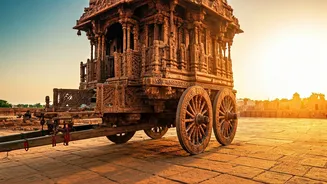
The Rath Yatra, or Mela, is not merely a festival but a profound spiritual event. It celebrates Lord Jagannath's annual journey with his elder brother Balabhadra and sister Subhadra from their home in the Jagannath Temple to the Gundicha Temple. This
is one of the rare occasions when the deities leave the temple's inner sanctum, making themselves visible to everyone, regardless of caste or creed. The act of pulling the massive, newly constructed chariots is considered an act of great merit, believed to cleanse sins. Understanding this core spiritual significance is the first step toward being a respectful visitor. Your presence is part of a deeply sacred event, and a mindful approach is key.
Dress for Devotion, Not Just the Day
What you wear matters. The Shree Jagannath Temple Administration has enforced a mandatory dress code to maintain the spiritual atmosphere. For men, traditional attire like a dhoti or simple trousers and a shirt is appropriate. For women, sarees or salwar kameez are recommended. Devotees wearing shorts, ripped jeans, skirts, or sleeveless tops will not be allowed entry into the temple. Even if you are only witnessing the procession on the street, modest dress is a sign of respect for the local culture and the event's sanctity. Opt for light, comfortable cotton fabrics to cope with the heat and humidity.
Navigating the Sea of Humanity
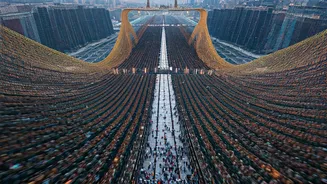
The crowds at Rath Yatra are immense, with attendance estimated in the millions. This can be overwhelming and poses safety risks. Arrive early to find a good viewing spot, preferably from an elevated position like a balcony or rooftop, which offers safer views than the dense street-level crowd. Always keep emergency contact numbers handy, and if you are in a group, establish a clear meeting point in case you get separated. Network congestion is common, so downloading offline maps can be helpful. Pickpocketing is a risk, so carry minimal valuables. Listen to instructions from police and volunteers, and if you feel unwell or overwhelmed by the crowd, try to move to a less congested area.
Health, Hygiene, and Safety
The combination of heat, humidity, and crowds can be physically taxing. In the past, hundreds of attendees have required medical attention for issues like fainting and dehydration. It is crucial to stay hydrated, so carry a reusable water bottle. Be cautious about what you eat and drink, sticking to reliable sources. On the logistics front, book accommodations and travel well in advance—months ahead, if possible—as Puri sells out completely. Roads in and around the city can be in poor condition, so factor in extra time for travel.
Etiquette for Rituals and Offerings
As a visitor, your role is to observe and participate respectfully, not to disrupt. Never touch the deities or the chariots unless you are in a designated area and it is permitted. When receiving 'prasad' (blessed food), always use your right hand. Be mindful of photography; it is often prohibited, especially during sacred rituals or inside the temple. Ask for permission before taking photos of people. The entire Grand Road (Bada Danda) becomes a sacred space. Avoid using your phone loudly or engaging in behaviour that would be out of place in a temple. The goal is to blend in with the spirit of devotion, not stand out.