

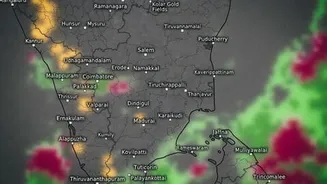


Understanding the Weather Situation
As of mid-October, the southwest monsoon has withdrawn, making way for the northeast monsoon, which is the primary source of rain for several southern states. This transition period is often marked by intense weather activity. A cyclonic circulation over
the southern peninsula is triggering moderate to heavy rainfall across Tamil Nadu, Kerala, Andhra Pradesh, and parts of Karnataka, with forecasts predicting wet conditions to continue for several days. The IMD has issued alerts, including orange alerts for some districts, indicating a need for preparedness due to expected heavy downpours.
Key Tourist Regions Affected
Travellers with itineraries in specific regions should pay close attention to local updates. In Kerala, alerts are active for several districts including Pathanamthitta, Kottayam, Idukki, and Ernakulam, which are home to popular destinations like the backwaters and hill stations. Similarly, coastal and southern districts of Tamil Nadu, such as Kanyakumari, Tirunelveli, and the Cauvery delta region, are expecting significant rainfall. Popular hill stations like Ooty and Kodaikanal, which fall in Tamil Nadu, receive most of their rainfall during the northeast monsoon, making this a particularly wet period. South Interior Karnataka is also forecast to receive fairly widespread showers.
Impact on Sightseeing and Activities
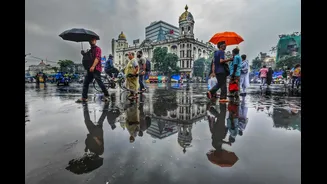
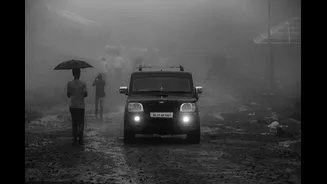
Heavy rainfall can significantly disrupt tourist activities. In hilly areas like Munnar and other parts of the Western Ghats, the primary concern is the heightened risk of landslides and roadblocks. Authorities in districts like Idukki have previously issued advisories urging tourists to avoid unnecessary travel on certain routes during intense rain spells. Water-based activities, such as houseboat cruises in Kerala's backwaters or enjoying the beaches along the coast, may be suspended or deemed unsafe due to strong winds and rough conditions. Trekking and visiting waterfalls can also become dangerous. In cities, waterlogging can lead to major traffic disruptions, affecting your ability to get around.
What Should Travellers Do?
If you have a trip planned, cancellation isn't your only option, but flexibility is key. Start by monitoring the latest forecasts from the IMD. Contact your hotel, resort, and any tour operators to confirm if their services are affected. They can provide the most current, on-ground information. Check with airlines and railways for any potential delays. If you are driving, be aware that travel times may be longer and some roads could be closed. It is crucial to have some buffer days in your itinerary and consider purchasing travel insurance that covers weather-related disruptions.
Tips for a Safe Monsoon Trip
For those who decide to travel or are already in the affected regions, prioritizing safety is paramount. Pack waterproof jackets, umbrellas, and appropriate footwear. Protect your electronics in waterproof bags. Always have a list of emergency contacts, including local disaster management authorities. Avoid driving through waterlogged streets and be extremely cautious on ghat roads. Instead of outdoor adventures, you could explore indoor attractions like museums, art galleries, and cafes. Many travellers find joy in simply watching the monsoon from the comfort of a safe resort. This season can offer a unique, lush green beauty, provided you plan for the weather.