








The City That Never Cools
This phenomenon is known as the Urban Heat Island (UHI) effect. In simple terms, it means our cities are significantly warmer than surrounding rural areas. This difference can be between 1 to 3 degrees Celsius on average during the day, but the real impact
is felt at night. After sunset, the temperature gap can widen dramatically, with cities remaining up to 12 degrees warmer than their leafy counterparts. This persistent nighttime heat prevents our bodies and our buildings from cooling down, which has serious consequences for public health and energy consumption.
Concrete: The Heat Sponge
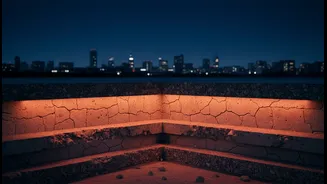
The primary culprit behind this is the very material our cities are built from. Concrete, asphalt, and brick have a high thermal mass, meaning they are incredibly good at absorbing and storing heat. Think of them as giant, dark-coloured sponges soaking up the sun's energy all day long. While a forest or a field reflects a good portion of solar radiation, urban surfaces can absorb as much as 95% of the sun's energy. This absorbed energy doesn't just disappear; it gets stored, turning the entire city into what scientists call a 'thermal battery' or 'thermal flywheel'.
The Midnight Radiator Effect
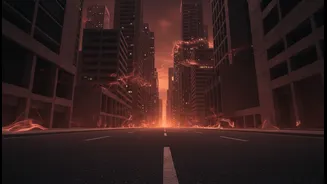
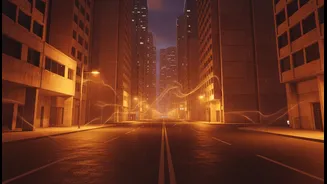
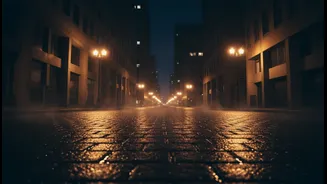
Once the sun goes down, this stored energy has to go somewhere. The concrete and asphalt begin to radiate all the heat they've collected back into the atmosphere. This process is slow and steady, lasting well into the night. It effectively creates a 'heat bubble' over the city, trapping warm air close to the ground. This is why you can feel the warmth coming off a pavement or a brick wall hours after sunset. This slow release is the reason urban areas struggle to cool down, leading to those uncomfortably warm 'midnight heat layers' that make sleeping difficult and drive up the demand for air conditioning.
More Than Just Materials
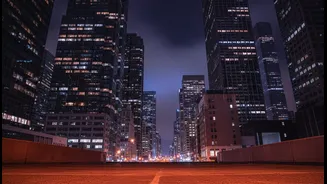
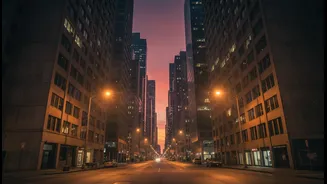
While concrete is a major factor, it's not the only one. The very geometry of our cities plays a part. Tall buildings create 'urban canyons' that trap heat and block cooling winds. The lack of green spaces, like parks and trees, also worsens the problem. Vegetation provides shade and cools the air through a process called evapotranspiration, a natural form of air conditioning that is largely absent in dense urban cores. Add to this the waste heat generated by vehicles, industries, and the air conditioners themselves, and you have a recipe for a perpetually hot city.
Designing Cooler Cities for Tomorrow
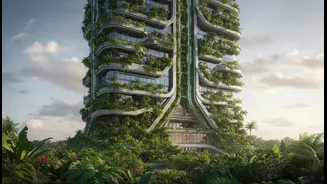
The good news is that we are not powerless. Urban planners and scientists are actively exploring solutions to mitigate the UHI effect. These include 'cool roofs' with reflective coatings that bounce sunlight back into space and the use of permeable pavements that allow water to evaporate and cool the surface. A major focus is on reintroducing nature into our cities. Increasing green cover through parks, green roofs, and restoring water bodies can significantly lower local temperatures by providing shade and natural cooling. For a country like India, which faces rapid urbanisation and extreme heatwaves, integrating these strategies into urban development is not just a good idea—it's essential for creating liveable and sustainable cities for the future.