






Why Flexibility is Non-Negotiable
The Indian monsoon is a powerful force of nature that transforms the country from June to September. While it brings life-giving rains, it also introduces significant travel uncertainties. Heavy downpours can lead to waterlogged streets in major cities,
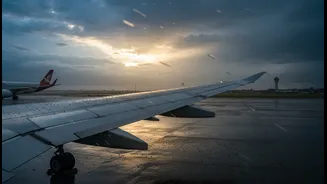
making local transport a challenge. In hilly regions, the risk of landslides can cause road closures for hours or even days, completely altering your itinerary. Air travel is also frequently affected, with heavy rain, low visibility, and strong winds causing flight delays and cancellations, particularly at major airports like Mumbai and Delhi. Train services, especially on scenic routes like the Konkan railway, can also face delays. Attempting to stick to a packed, minute-by-minute schedule in these conditions is a recipe for stress. Embracing flexibility isn't just a good idea; it's the core strategy for a successful and enjoyable monsoon journey.
Smarter Booking for Peace of Mind
A flexible trip starts with flexible bookings. When securing flights and hotels, actively look for options with generous cancellation or rescheduling policies. Many booking platforms now allow you to filter for fully refundable stays, giving you an escape route if a destination becomes inaccessible or a weather warning is issued. It's often wiser to book flights and hotels separately rather than locking into a rigid, prepaid package tour. While packages can seem convenient, their fixed nature leaves little room for last-minute changes. Paying a little extra for a flexible rate can save you from losing your entire booking cost if plans change. Also, consider booking your accommodation closer to transport hubs, which can be a lifesaver when local transit is affected by rain. For flights, choosing an early morning departure can be a smart move, as delays tend to cascade and worsen throughout the day.
Design an Itinerary with Wiggle Room
A monsoon itinerary should be a gentle guide, not a strict contract. Avoid the temptation to pack every day with wall-to-wall activities. Instead, build buffer days into your schedule—a free day for every few days of travel can absorb any unexpected delays without forcing you to sacrifice a key experience. When planning your days, have a 'Plan B' ready. Research a mix of indoor and outdoor attractions for each location. If a planned trek is washed out, you can pivot to exploring a local museum, enjoying a leisurely meal at a covered cafe, or even booking a spa treatment. This approach turns a potential disappointment into a new opportunity. It also helps to be realistic about how much ground you can cover; trying to visit too many regions in a short time is a common mistake that becomes even more problematic during the rainy season.
Pack for Spontaneity and Safety
Your packing list should reflect your flexible mindset. Prioritise quick-drying synthetic clothing over heavy fabrics like denim, which can take days to dry in the humid monsoon air. A reliable waterproof jacket is essential, as is a waterproof cover for your backpack to protect your belongings. Use waterproof pouches or ziplock bags for your passport, phone, and other electronics. Footwear is crucial; pack sturdy sandals or floaters with good grip for navigating wet, slippery surfaces, and avoid new shoes that could cause blisters. Also include a basic medical kit with essentials for common ailments like fever or stomach issues, and always carry mosquito repellent. Having the right gear means you're prepared for whatever the weather throws at you, allowing you to adapt and stay comfortable.
The Joy of the Unexpected
Ultimately, a flexible plan allows you to embrace the true spirit of monsoon travel. The off-season nature of monsoon travel means fewer crowds at major landmarks, offering a more intimate and peaceful experience. When your original plan is disrupted, it can lead you to discover a hidden gem you would have otherwise missed. Perhaps a cancelled boat trip leads you to a fantastic local restaurant, or a blocked road encourages you to spend an extra day exploring a charming small town. By letting go of a rigid schedule, you open yourself up to serendipity. This freedom to make last-minute changes and follow where the journey leads is one of the greatest rewards of off-season travel.