


The Tiny Terror in Your Garden
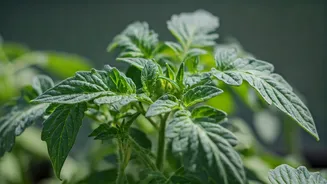
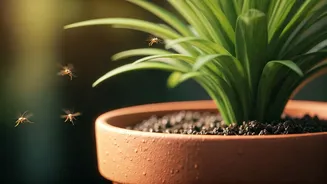
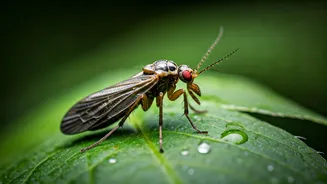
Whiteflies are more than just a nuisance; they are a genuine danger to your tomato crop. These tiny, sap-sucking insects weaken plants by feeding on their leaves. This feeding can cause leaves to yellow, curl, and drop prematurely. Worse, as they feed,
they excrete a sticky substance called honeydew, which promotes the growth of sooty mould. The most significant threat they pose is as vectors for devastating plant viruses, most notably the Tomato Yellow Leaf Curl Virus (TYLCV). This virus can stunt growth, cause severe leaf curling and yellowing, and ultimately lead to a complete loss of fruit production.
Why Neem Oil is Your Best Ally
In the fight against whiteflies, neem oil is a powerful and popular tool for organic gardeners. Extracted from the seeds of the neem tree (Azadirachta indica), which is native to India, this oil contains a powerful compound called azadirachtin. This is not a poison that kills on contact. Instead, it works by disrupting the life cycle of pests. It interferes with their hormones, making it difficult for them to feed, grow, and reproduce. This makes it an effective way to manage whitefly populations without resorting to harsh chemical pesticides that can harm beneficial insects like bees and ladybugs when used correctly.
Your Simple Weekly Spray Recipe
Creating your own neem oil spray is easy and cost-effective. For a standard one-gallon (approximately 3.7 litres) sprayer, you will need three ingredients: water, pure neem oil, and a mild liquid soap to act as an emulsifier. Start by mixing one gallon of warm water with two tablespoons of 100% cold-pressed neem oil. Add one to two teaspoons of a mild liquid soap (like castile soap) to the mixture. The soap is crucial because oil and water don't mix naturally; the soap helps the neem oil disperse evenly throughout the water. Shake the sprayer vigorously before and during application to keep the mixture emulsified. It's best to only mix what you will use immediately, as the active compounds in neem oil begin to break down within hours of being mixed with water.
The Correct Application Technique
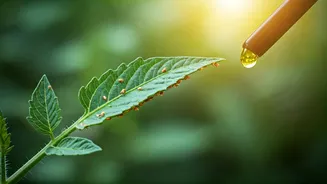
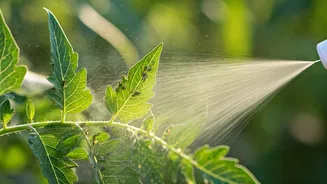
Proper application is key to success. Whiteflies tend to congregate and lay their eggs on the undersides of leaves, so it is essential to be thorough and coat all surfaces of the plant, paying special attention to these hidden areas. The best time to spray is in the early morning or late evening. Applying neem oil in direct, hot sunlight can cause the leaves to burn. It’s also wise to perform a patch test: spray a small area of the plant and wait 24 hours to ensure there is no adverse reaction before spraying the entire plant. Avoid spraying when beneficial insects like bees are most active to minimize any potential harm.
Consistency is Key: The Weekly Schedule
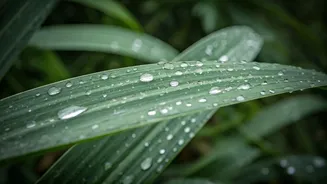
The headline's advice for weekly sprays is well-founded. Because neem oil works by disrupting the pest's life cycle rather than killing them instantly, consistent application is crucial. A weekly spray schedule helps to manage all stages of the whitefly life cycle, from egg to adult. If you are dealing with a severe infestation, you may need to apply the spray every few days until the population is under control. Once the pests are managed, you can return to a preventative schedule of every 7 to 14 days. Remember to reapply after rainfall, as it will wash the oil off the leaves.
Beyond Spraying: Integrated Pest Management
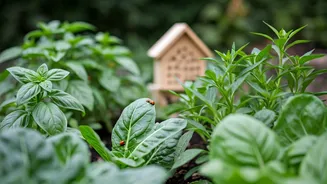
While neem oil is highly effective, it works best as part of an Integrated Pest Management (IPM) strategy. This means combining it with other smart gardening practices. Encourage natural predators of whiteflies, such as ladybugs and lacewings, by planting companion flowers. You can also use yellow sticky traps to monitor and reduce the adult whitefly population. Regularly inspect your plants for early signs of infestation and remove any heavily infested leaves. A clean, healthy garden is always your first and best line of defence against any pest.