









The Allure of the Green Blueprint
The vision for a green India is compelling and ambitious. With bold commitments to install 500 gigawatts of non-fossil fuel energy capacity by 2030 and achieve net-zero emissions by 2070, the country has laid out a clear path. Initiatives like the National
Solar Mission, the Green India Mission, and various state-level schemes paint a picture of a nation rapidly pivoting towards sustainability. This top-down planning is crucial for mobilising resources and setting national priorities, from creating vast solar parks in sunny states like Rajasthan to rejuvenating urban green spaces. The blueprints are often impressive, promising clean energy, restored ecosystems, and a healthier environment for all. This initial enthusiasm is vital, providing the momentum needed to launch large-scale transformations.
When Reality Diverges
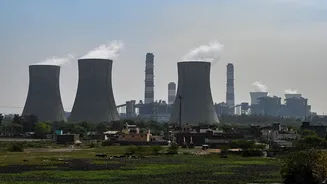
However, the path from blueprint to reality is fraught with challenges. Large-scale renewable energy projects, for instance, face significant hurdles. A major one is land. Acquiring large tracts of land for solar and wind farms often leads to complex negotiations, conflicts with agricultural needs, and community opposition. Another significant challenge is integrating variable power sources like solar and wind into a grid designed for consistent fossil fuel energy. The sun doesn't always shine, and the wind doesn't always blow, creating intermittency issues that require sophisticated grid management and expensive energy storage solutions. Furthermore, the financial health of power distribution companies (DISCOMs) often affects their ability to reliably purchase renewable power, creating uncertainty for developers. These practical roadblocks can cause delays, increase costs, and slow down progress.
Charting the Backup Routes
This is where the need for "backup routes" becomes clear. When a single, large-scale approach encounters friction, adaptability is key. One of the most effective alternative strategies is shifting focus to decentralised and community-led models. Instead of relying solely on massive solar parks, promoting rooftop solar on homes and commercial buildings, or developing microgrids for villages, can be more resilient and inclusive. These smaller, localised solutions bring clean energy directly to the point of consumption, reducing transmission losses and empowering communities. Community engagement is another crucial backup route. Involving local populations in the planning and execution of conservation and greening projects fosters a sense of ownership and ensures the initiatives are tailored to local needs and knowledge. Projects like Sikkim's transition to 100% organic farming show how a state-wide policy, when combined with farmer participation, can become a world-renowned success. Similarly, community-led reforestation efforts often have higher success rates because locals are invested in protecting the trees they planted.
The Essential Virtue of Patience
Building a green landscape is not like building a factory; it's more like nurturing a forest. It requires immense patience. Ecological restoration is a slow process, and the benefits are not always immediate. A newly planted forest can take decades to mature into a thriving ecosystem that functions as a carbon sink. Similarly, transitioning an entire nation's energy system is a multi-generational task that involves not just new technology but also shifts in policy, economic structures, and public behaviour. Setbacks are inevitable. A project may fail, a policy may need revision, or a new technology might not work as expected. These should be seen not as outright failures but as learning opportunities. The journey requires a long-term perspective from policymakers, investors, and the public, with a shared understanding that consistent effort over time, rather than a search for quick wins, is what will ultimately yield a sustainable and resilient green future for India.