

The Core Difference: From Lithium to Salt
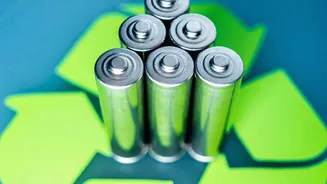
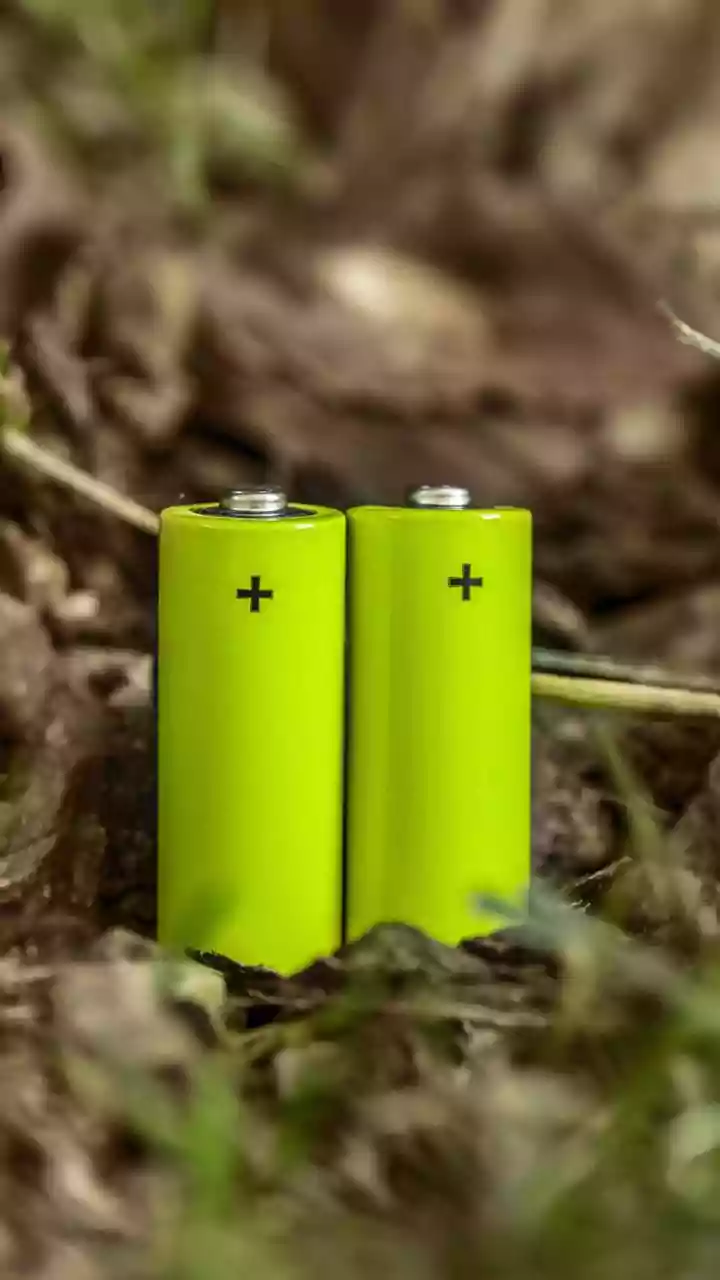
At their heart, sodium-ion (Na-ion) and lithium-ion (Li-ion) batteries work in a very similar way. Both are rechargeable and rely on ions—charged atoms—moving from a negative pole (anode) to a positive one (cathode) to release energy, and moving back
again during charging. The key difference, as the names suggest, is the element doing the work. For decades, lithium has been the undisputed king. It's incredibly light and energy-dense, making it perfect for packing a lot of power into a small space, whether it's a smartphone or a high-performance electric car. Sodium-ion technology swaps out the expensive and geographically concentrated lithium for sodium—a far more common and cheaper element. In fact, sodium is one of the most abundant elements on Earth, found everywhere in seawater and salt deposits. This simple switch from lithium to sodium is what holds the promise of dramatically cheaper electric vehicles.
The All-Important Cost Factor
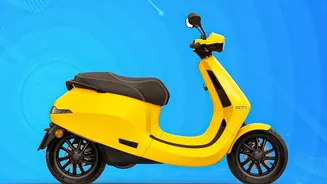
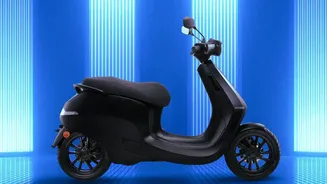
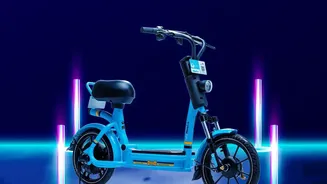
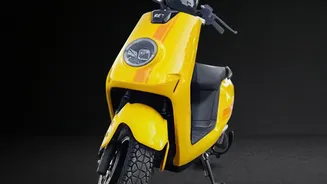
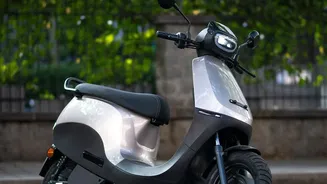
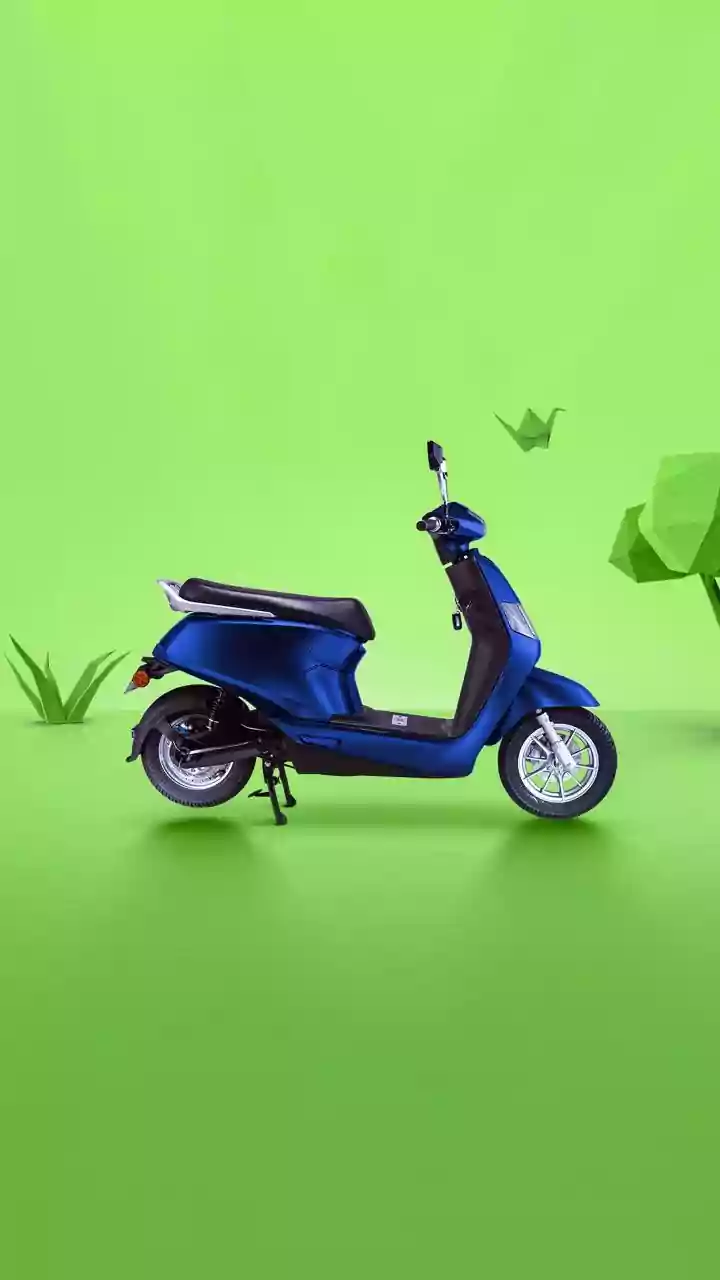
The primary driver behind the excitement for sodium-ion batteries is cost. The raw materials for lithium-ion batteries, including lithium, cobalt, and nickel, are expensive and have volatile supply chains often concentrated in a few countries. Sodium, on the other hand, is abundant and cheap. This has led to projections that sodium-ion batteries could be around 30% cheaper to produce than their lithium-ion counterparts. While large-scale manufacturing is still ramping up, meaning Na-ion cells are not yet universally cheaper today, the long-term potential is clear. As production scales, this cost advantage is expected to make electric scooters significantly more affordable for the average Indian consumer, directly addressing the biggest barrier to mass adoption.
Performance: Range vs. Practicality
This is where the trade-offs begin. Lithium-ion batteries currently have a clear advantage in energy density. A typical Li-ion battery can store between 150 to over 250 watt-hours per kilogram (Wh/kg), while current commercial Na-ion batteries offer around 140 to 160 Wh/kg. In simple terms, this means for the same weight, a lithium battery can store more energy, translating to a longer range for the vehicle. This is why lithium remains the go-to for long-range electric cars. However, for daily urban commutes on an electric scooter in India, a slightly lower range may be a perfectly acceptable compromise for a much lower purchase price. Furthermore, sodium-ion batteries show excellent performance in other key areas. They can often charge faster than lithium-ion batteries; some prototypes can reach 80% charge in just 15-20 minutes. They also perform exceptionally well in extreme temperatures, losing very little capacity in cold weather, a known weakness of some lithium chemistries.
Safety, Lifespan, and Sustainability
Sodium-ion batteries have a significant safety advantage. They are less prone to thermal runaway (catching fire) than lithium-ion cells and can be safely discharged to zero volts for transport or storage, which is hazardous for lithium batteries. This inherent stability makes them a safer choice for a vehicle that might be parked under the hot Indian sun. In terms of lifespan, Na-ion is also proving to be highly durable. While cycle life varies, some sodium-ion batteries are demonstrating the ability to withstand thousands of charge-discharge cycles, comparable to or even exceeding many lithium-ion types. Environmentally, the benefits are also compelling. The abundance of sodium reduces the need for intensive mining of rare materials like lithium and avoids the use of controversial elements like cobalt. Recycling is also simpler and less hazardous.
What This Means for India's EV Dream
The rise of sodium-ion technology is perfectly timed for India. The government's push for 'Make in India' and reducing import dependency aligns perfectly with a battery technology that doesn't rely on scarce, foreign-controlled resources. Several Indian companies, including Reliance New Energy and KPIT Technologies, are already investing in developing commercially viable sodium-ion solutions. Experts believe India's massive two-wheeler market is the ideal proving ground for this technology, where the trade-off of slightly lower range for a much lower cost is most attractive. While you may not see these 'salt-powered' scooters dominate the roads overnight, their arrival is a critical step. They represent a pragmatic, affordable, and sustainable path toward making electric mobility a reality for millions more Indians.