





The Undisputed Champions: Grey and Silver
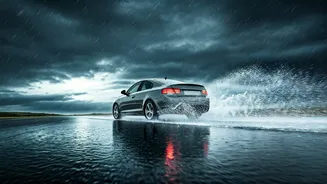
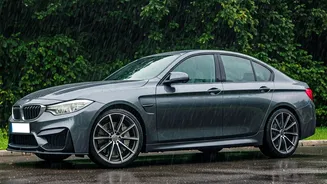
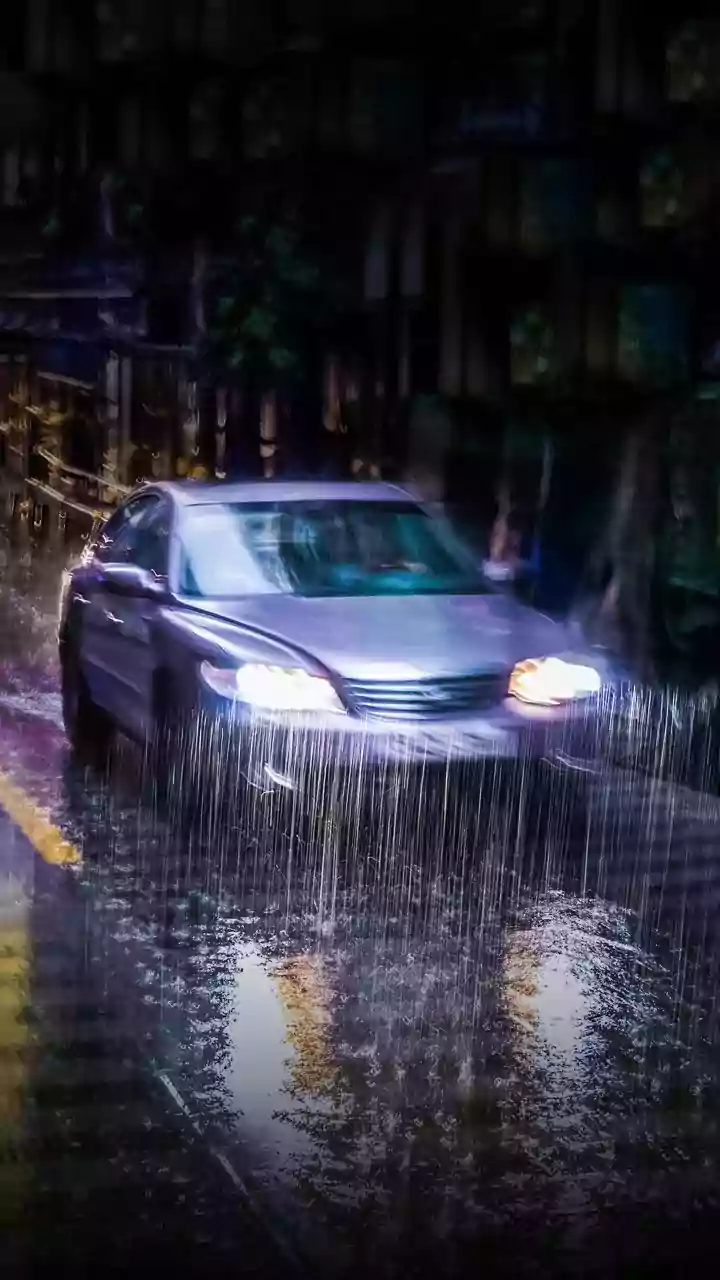
If low maintenance is your primary goal, look no further than grey and silver. These colours are widely considered the best for hiding the daily assault of road life. The reason is simple: they are close in shade to dust and dried mud. When muddy rainwater
splashes on a silver or grey car and dries, it leaves a light brown or greyish residue that blends in remarkably well with the paint. These colours are also excellent at masking water spots, which are mineral deposits left behind after water evaporates. Their light, metallic finish scatters sunlight, making fine scratches and swirl marks much less noticeable than on darker, more reflective surfaces. For Indian driving conditions, which include both city pollution and dusty highways, silver and grey offer the most forgiving and practical choice, keeping your car looking respectable even between washes.
The Surprisingly Effective Choice: White
It may seem counterintuitive, but white is surprisingly effective at looking clean. While it won't hide dark, muddy splashes from a pothole, it is fantastic at concealing the more common light-coloured dust and grime. Unlike dark colours that create a high contrast with every speck of dust, white paint tends to blend with it. A major advantage of white is its ability to hide swirl marks and minor scratches exceptionally well. Since these imperfections are essentially fine scratches in the clear coat, they appear white, making them nearly invisible on a white car but glaringly obvious on a black one. Given that white is also a popular colour in India for its heat-reflecting properties, its ease of maintenance is a significant bonus.
The Earth-Toned Allies: Beige, Champagne, and Light Brown
Following the same logic as grey and silver, earthy tones like beige, champagne, and light brown are excellent at camouflaging dirt. These colours are the natural shade of much of the dust and dried soil found on Indian roads, making them masters of disguise. They don't have the same modern, metallic appeal as silver for some buyers, but their performance in hiding dirt is undeniable. Water spots and light layers of dust become almost invisible, significantly extending the time between necessary washes. If you frequently travel through rural or construction-heavy areas, a car in a champagne or light brown shade will be a particularly low-maintenance companion during the rainy season.
The High-Maintenance Crew: Black and Dark Blue
There's no denying the appeal of a freshly polished black car; it has a depth and mirror-like shine that no other colour can match. However, that perfection is fleeting. Black and other dark colours like navy blue are the most difficult to keep clean. The issue is contrast. Most dust, pollen, and dried water spots are light in colour, and they stand out dramatically against a dark background. Every single water spot from a rain shower will be visible. Furthermore, black paint reveals every tiny scratch and swirl mark, often creating a 'spider web' effect under sunlight. Maintaining a dark-coloured car in a rainy and dusty environment requires constant dedication, frequent washing, and careful drying to avoid spots.
The Bold and the Difficult: Red and Other Bright Colours
Bright, saturated colours like red, while eye-catching, also fall into the high-maintenance category. Similar to black, they tend to highlight imperfections rather than hide them. Water spots and dirt are easily visible on a bright red surface. While they might be slightly more forgiving than black when it comes to very light dust, they show road grime and mud quite clearly. Furthermore, bright colours, especially non-metallic reds, can be more susceptible to fading over time under the harsh Indian sun, requiring more care like regular waxing to protect the finish.