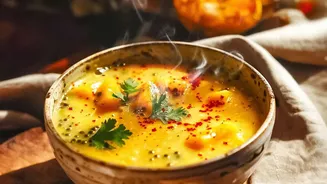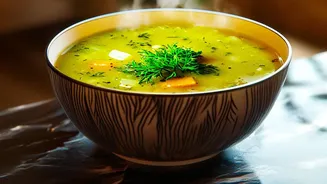



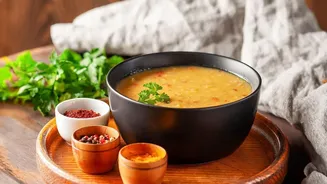
A Hug in a Bowl
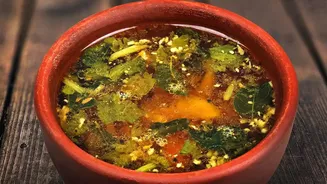
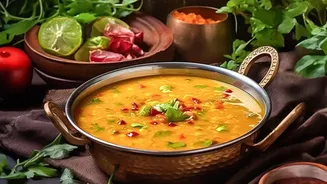
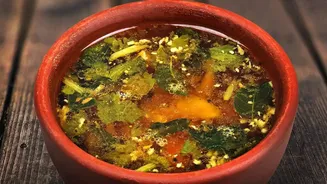
Rasam, a staple in South Indian cuisine, is a thin, tangy broth that holds a special place in the hearts and homes of many. The word itself, derived from Tamil and Sanskrit, means 'essence' or 'juice', perfectly capturing its role as a flavourful extract
of spices. While there are hundreds of varieties, pepper rasam, or 'milagu rasam', is particularly cherished during cold and flu season. It’s often the first thing a grandmother prepares when someone feels unwell, serving as both a source of nutrition and a gesture of care. For many, the spicy aroma and soothing warmth of pepper rasam are the very definition of comfort food.
The Power of Pepper and Spice
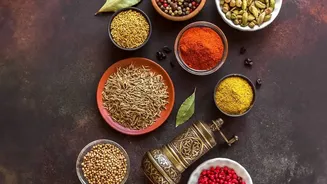
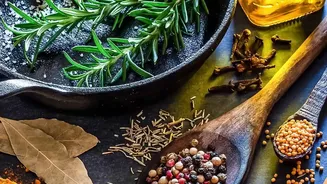
The magic of pepper rasam lies in its simple yet potent ingredients. Black pepper, the star of the dish, is traditionally known to act as a natural decongestant, helping to clear nasal passages. It works in concert with other spices like cumin, which aids digestion, and garlic, which is valued for its immune-supporting properties. Turmeric, another common addition, provides anti-inflammatory benefits. The base of the broth is typically tamarind water, which gives rasam its signature sour taste and is rich in antioxidants. This powerful combination of spices not only creates a complex and satisfying flavour but also works together to soothe the body during illness.
More Than a Home Remedy
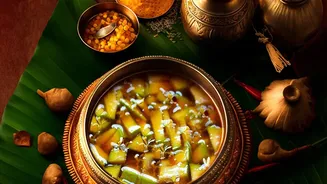
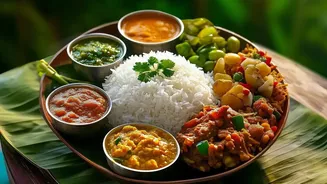
While its use as a remedy for colds and coughs is well-known, the cultural significance of rasam extends much further. It is a fundamental part of a traditional South Indian meal, often served with rice after the main course of sambar to aid digestion. The dish has a long history, with some food historians tracing its origins back to the 16th century in Madurai. Its influence is so notable that it even inspired the creation of Mulligatawny soup during the British colonial era, a name derived from the Tamil words for 'pepper' (milagu) and 'water' (thanni). Today, whether served at a grand wedding feast or a simple family dinner, rasam remains a symbol of hospitality and tradition.
An Authentic Pepper Rasam Recipe
Making this comforting broth at home is surprisingly simple. This recipe focuses on the core ingredients for an authentic 'milagu rasam'.Ingredients: 1 tablespoon whole black peppercorns 1 teaspoon cumin seeds 4-5 cloves of garlic, lightly crushed A small gooseberry-sized ball of tamarind (or 2 tablespoons tamarind paste) 1 medium tomato, chopped (optional) A pinch of turmeric powder A pinch of asafoetida (hing) 1 tablespoon ghee or oil ½ teaspoon mustard seeds A few curry leaves Fresh coriander leaves for garnish Salt to tasteInstructions:1. Soak the tamarind in 1 cup of warm water for 15-20 minutes. Squeeze the pulp to extract the juice and strain it. Set aside.2. In a small grinder or using a mortar and pestle, coarsely grind the black peppercorns, cumin seeds, and garlic cloves. You are looking for a rough powder, not a fine paste.3. Heat ghee or oil in a pot over medium heat. Add the mustard seeds and let them splutter. Add the curry leaves and asafoetida and sauté for a few seconds.4. Add the chopped tomato (if using) and cook until soft and pulpy.5. Add the ground pepper-cumin-garlic mixture and sauté for another minute until fragrant.6. Pour in the tamarind extract, 2 cups of water, turmeric powder, and salt. Bring the mixture to a gentle boil and then reduce the heat to a simmer.7. Let the rasam simmer for about 5-7 minutes, until it becomes frothy on top. Do not over-boil it, as this can diminish the fresh spice aroma.8. Turn off the heat, garnish with fresh coriander leaves, and cover the pot for a few minutes to let the flavours infuse.
How to Enjoy Your Rasam
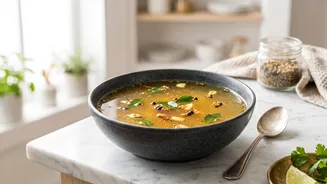
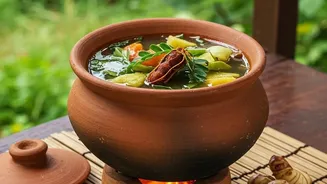
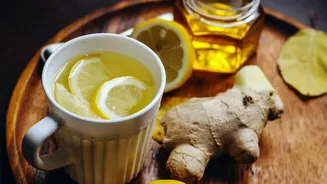
Pepper rasam is wonderfully versatile. You can sip it warm from a cup like a restorative soup, which is a common way to enjoy it when feeling under the weather. Alternatively, it is traditionally served ladled over a bowl of hot steamed rice, often with a spoonful of ghee to enrich the flavour. It can be eaten on its own with rice or as part of a larger meal with side dishes like a simple vegetable stir-fry. No matter how you serve it, each spoonful is a reminder of the simple, healing power of good food.