






HIIT: The High-Speed Solution
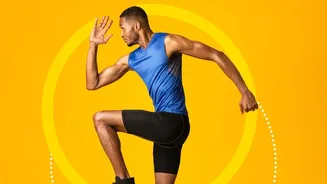
High-Intensity Interval Training (HIIT) involves short, explosive bursts of all-out exercise followed by brief periods of rest or low-intensity movement. Think 30 seconds of sprinting on a treadmill, followed by 60 seconds of walking, repeated for about
15 to 20 minutes. The goal is to push your heart rate to its upper limits during the work periods. This method is famous for its efficiency; a short HIIT session can deliver significant cardiovascular benefits, making it perfect for those with packed schedules.
LISS: The Slow and Steady Path
Low-Intensity Steady-State (LISS) is the opposite. It involves performing a cardiovascular activity at a consistent, low-to-moderate pace for a longer duration. This typically means 45 to 60 minutes of an activity like brisk walking, cycling, or swimming where you can comfortably hold a conversation. The intensity is low enough that your body primarily uses fat for fuel during the workout. LISS is less demanding on the body, making it a great option for beginners or for active recovery days.
Time vs. Results: The Desk Worker's Dilemma
For a busy professional, time is everything. This is where HIIT shines. A 20-minute HIIT session can offer similar, if not greater, calorie burn and cardiovascular improvements as a 45-minute LISS workout. This is partly due to the 'afterburn effect,' where your metabolism stays elevated for hours after you've finished exercising. However, LISS sessions can be more meditative and may feel less like a chore after a stressful day. While longer, they can be integrated into your day by walking home from work or enjoying a long cycle on the weekend.
Fat Loss and Heart Health
Both methods are effective for weight loss and improving heart health. HIIT burns more calories per minute and is excellent for boosting your overall metabolic rate. It significantly improves VO2 max, a measure of your body's oxygen efficiency. On the other hand, LISS trains your body to become better at using fat as its primary energy source during exercise. Some research suggests continuous aerobic exercise, like LISS, is highly effective at improving fat distribution. Ultimately, the best method for fat loss is the one that contributes to a consistent calorie deficit you can maintain.
Injury Risk and Sustainability
This is a critical factor for desk workers, who may be deconditioned from sitting for long hours. HIIT carries a higher risk of injury, especially for beginners or those with poor form, due to its high-impact, explosive nature. It also places significant stress on the body, requiring more recovery time. LISS is much gentler on the joints and is generally safer for all fitness levels. Its lower intensity makes it easier to perform daily and sustain over the long term, which is key for building a lasting fitness habit.
How to Choose Your Workout
Your choice depends on your goals, fitness level, and personality. Choose HIIT if: You are extremely short on time, enjoy high-intensity challenges, and have a solid fitness base without joint issues. A couple of 20-minute sessions per week can be highly effective. Choose LISS if: You are new to exercise, have joint concerns, prefer a more relaxed and meditative workout, or need an activity for recovery days. It's easier to stick with and helps build a solid endurance foundation. Many find a combination of both works best: 2-3 HIIT sessions on non-consecutive days, with LISS or strength training on the other days.