

Wander Through Emerald Tea Gardens
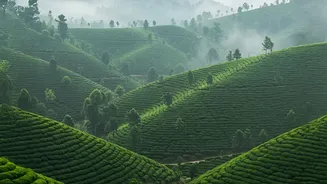
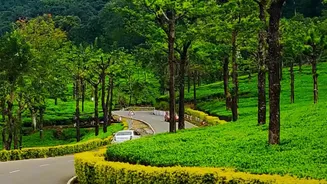
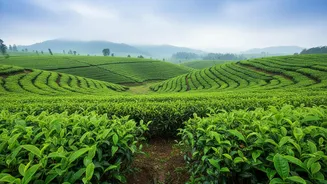
If Assam is India's tea heartland, the monsoon is when its pulse beats strongest. The regions of Jorhat and Dibrugarh, carpeted with sprawling tea estates, turn a shade of impossible green under the rain. The air grows heavy with the scent of wet earth
and fresh tea leaves. Many colonial-era bungalows, once homes to British planters, have been converted into heritage stays, offering a luxurious window into this world. Waking up to mist-covered gardens, sipping a cup of single-origin Assam tea, and taking guided walks through the plantations to see workers pluck the famed 'two leaves and a bud' is an experience that engages all the senses. This isn't just sightseeing; it's a chance to immerse yourself in the living history and culture of Assam's most famous export.
Witness the Brahmaputra's Mighty Form
The Brahmaputra River is Assam's lifeline, and during the monsoon, it showcases its true, formidable power. While a trip during this season requires caution due to potential flooding, it also offers a spectacle unlike any other. The river swells, carrying with it the rich silt that nourishes the plains, and the sky above it puts on a dramatic show of colossal cloud formations and mesmerising sunsets. Instead of luxury cruises, which often pause operations, the monsoon offers a chance for more authentic local boat journeys. These trips provide a raw, unfiltered view of life along the riverbanks, where communities have adapted to the water's rhythm for centuries. It's a humbling encounter with the sheer force and beauty of nature.
Explore Majuli's Resilient Monsoon Culture
Majuli, the world's largest river island, has a unique and intimate relationship with the monsoon. For a traveller, visiting during this time is a lesson in resilience and adaptation. While some parts of the island become inaccessible and ferry services can be unpredictable, the experience is deeply rewarding for those who make the journey. Life shifts from roads to boats, and houses built on stilts (chang ghor) stand sentinel over the submerged fields. It is a time to explore the island's Vaishnavite monasteries, or Satras, where the sound of chanting often mingles with the drumming of the rain. Visiting Majuli in the monsoon is not about convenience; it's about witnessing a culture that doesn't just survive the floods but is shaped by them, offering a quiet, introspective, and unforgettable travel experience.
Chase Waterfalls in the Dima Hasao Hills
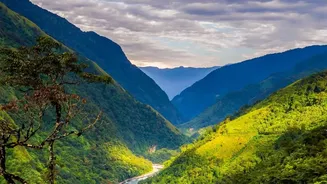
While much of Assam is river plains, the district of Dima Hasao offers a dramatic, hilly contrast that comes alive in the monsoon. Known as Assam's only true hill station, the area around Haflong transforms into a land of mist, rolling green valleys, and countless cascading waterfalls. The rain feeds streams that tumble down cliffs, creating spectacular sights like Panimur Waterfall, often called the 'Niagara of the Northeast'. For the more adventurous, the hills hide numerous lesser-known falls that require trekking through lush forests to reach. It's an offbeat escape that reveals a completely different side of Assam, one where the monsoon's creative power is on full display in the rugged, beautiful landscape.
Immerse Yourself in Spiritual Fervour
The monsoon season in Assam also coincides with one of the most significant spiritual gatherings in the country: the Ambubachi Mela at the Kamakhya Temple in Guwahati. This ancient temple, perched atop the Nilachal Hill, becomes a focal point of intense devotional energy. The festival, celebrating the divine feminine and fertility, draws thousands of sadhus and devotees from across India, who brave the rains to participate in the powerful rituals. The atmosphere is thick with incense, chanting, and a palpable sense of faith. For a cultural traveller, it offers a profound, if intense, glimpse into the spiritual heartbeat of the region, where the rhythms of faith and nature flow together in a powerful torrent.