




The Effortless Appeal of Indoor Greenery
Adding a plant to a room does more than just fill a space; it can transform it. Studies have shown that the presence of indoor plants can reduce stress, improve mood, and even boost focus. The simple act of caring for a living thing provides a gentle
sense of purpose and connection to nature. For the bedroom, a space dedicated to rest and rejuvenation, a touch of green can make the environment feel calmer and more serene. However, the fear of a plant dying from neglect is real. That's where two hardy champions of the plant world come in: the Snake Plant and the Pothos. These plants are renowned for their resilience, making them the perfect starting point for aspiring plant parents or busy individuals.
Meet the Indestructible Snake Plant
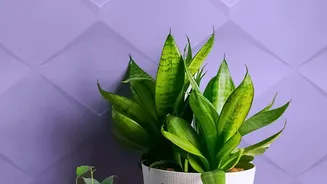
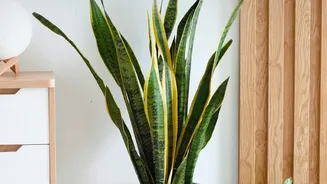
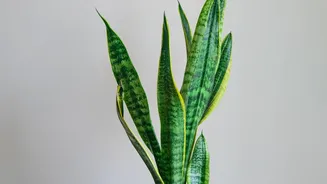
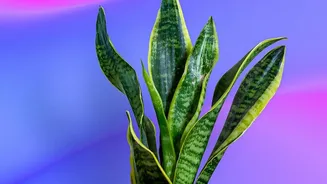
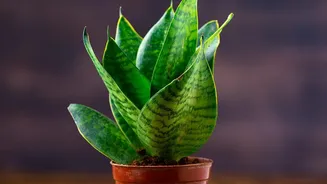
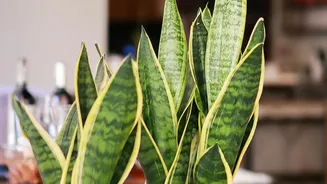
The Snake Plant, or Sansevieria trifasciata, is immediately recognizable by its stiff, upright leaves that look like they've been painted with shades of green, yellow, or silver. Its architectural form adds a modern, sculptural element to any tabletop or corner. But its beauty is matched by its incredible toughness. Snake Plants are famously adaptable, tolerating a wide range of conditions, especially the lower light often found in bedrooms. They are also extremely drought-tolerant, preferring their soil to dry out completely between waterings. In fact, the most common mistake is overwatering them. For a bedroom, the Snake Plant has a particularly interesting trait: it performs a special type of photosynthesis called Crassulacean Acid Metabolism (CAM). This means it releases most of its oxygen at night, a unique feature among common houseplants.
Caring For Your Snake Plant
Keeping a Snake Plant happy is remarkably simple. They thrive on a 'less is more' approach. For light, they prefer bright, indirect sunlight but will stoically tolerate low-light areas, though they may grow more slowly. When it comes to water, restraint is key. Check the soil every two to four weeks, and only water when it is completely dry to the touch. A well-draining potting mix, like one designed for cacti or succulents, is ideal to prevent water from sitting around the roots. These plants are slow growers and prefer to be slightly snug in their pots, so you won't need to worry about frequent repotting.
The Versatile and Forgiving Pothos
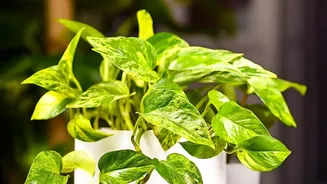
Often called Devil's Ivy, the Pothos (Epipremnum aureum) is a vining plant with heart-shaped leaves that come in various shades of green, often variegated with white, yellow, or cream. Its trailing nature makes it perfect for placing on a high shelf or dresser, allowing its vines to cascade gracefully. Pothos is arguably one of the easiest houseplants to care for, often recommended as the number one plant for beginners. It is incredibly forgiving and visually tells you what it needs; its leaves will start to droop slightly when it's thirsty. Like the Snake Plant, it adapts well to different light levels, from low to bright indirect light, though direct sun can scorch its leaves.
Simple Pothos Maintenance
To care for a Pothos, simply place it in a spot with some form of natural light. It will grow fastest in bright, indirect light but will do just fine in dimmer corners. Water it when the top inch or two of soil feels dry, or when you notice the leaves beginning to wilt. Pothos is quick to recover from neglect. If the vines get too long, you can easily trim them back to encourage a fuller, bushier plant. These cuttings can even be placed in water to grow new roots, giving you more plants for free. It is a fast grower, which can be very rewarding for a new plant owner to watch.
The Truth About Air Purification
The claim that houseplants purify the air largely stems from a 1989 NASA study which found that certain plants could remove toxins like formaldehyde and benzene from a sealed chamber. Both Snake Plants and Pothos were on this list. However, our homes are not sealed chambers. Subsequent research has shown that in a normal room with natural ventilation, the air-purifying effect of a few plants is minimal. You would need hundreds of plants in a single room to match the air-cleaning power of simply opening a window. While these plants do absorb tiny amounts of pollutants, their primary benefit is not as a powerful air filter. Instead, think of any purification as a small, invisible bonus to their main role: bringing beauty, life, and a sense of calm into your home.