






The Science Behind the Smell
The primary cause of shoe cabinet odour is a combination of moisture and a lack of ventilation. Our feet have thousands of sweat glands, and when we place our shoes in a closed cabinet without letting them air out, that trapped moisture creates a perfect
breeding ground for bacteria and fungi. In India's humid weather, the high moisture content in the air makes it even harder for shoes to dry out completely. These microorganisms break down sweat and dead skin cells, releasing compounds that we perceive as a foul, musty smell. A closed cabinet compounds this by preventing air circulation, allowing odours and moisture to build up and permeate everything inside.
Prevention Starts Before Storage
The most crucial step is to ensure your shoes are completely clean and dry before they go into the cabinet. Tossing damp or dirty shoes inside is an open invitation for mould and mildew. After wearing, especially on a rainy or sweaty day, let your shoes air out in a well-ventilated area for at least a few hours. If they are particularly wet, stuffing them with newspaper can help absorb excess moisture quickly. For a deeper clean, occasionally wiping the interior of your shoes with a solution of equal parts water and white vinegar can help kill odour-causing bacteria before it takes hold. Just be sure they are fully dry before storing.
Harness the Power of Your Pantry
Many common household items are excellent at absorbing moisture and neutralising odours. Placing an open box or a small bowl of baking soda in your cabinet is a classic, effective trick. Baking soda absorbs both moisture and acidic odours, keeping the space neutral. Activated charcoal is another powerhouse, known for its ability to absorb moisture and smells. You can buy charcoal bags or make your own by placing charcoal pieces in a breathable pouch. For a simpler solution, a bowl of uncooked rice or even a few sticks of chalk can also act as effective desiccants, pulling moisture from the air.
Cultivate Fresh Storage Habits
Small, consistent habits can make a huge difference. Avoid overcrowding your shoe cabinet, as this restricts airflow between pairs. Try to rotate your shoes, giving each pair a chance to air out fully between wears. On dry, less humid days, leave the cabinet doors ajar for about 15-20 minutes to allow air to circulate and release any trapped moisture. Wiping down the shelves with a dry cloth or a mild disinfectant once a month also prevents the buildup of dust and potential mould spores. These simple routines disrupt the cycle of odour buildup before it becomes a major problem.
Consider Your Cabinet's Design
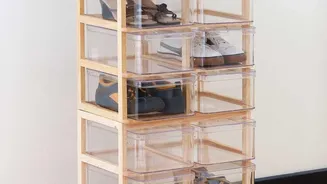
The design of your shoe storage plays a significant role. Completely sealed, solid-door cabinets are the most likely to trap moisture. If you have such a cabinet, improving its ventilation can work wonders. This can be as simple as drilling small, discreet holes in the back panel. When shopping for new storage, look for options with ventilated doors, such as those with slats or mesh panels, which allow for constant, passive air circulation. Open shelving is the best option for airflow but might not be practical for everyone. Even a slight improvement in ventilation can dramatically reduce the humidity inside.
When to Use Commercial Solutions
For persistent issues or very high-humidity areas, commercial products can provide a stronger solution. Silica gel packets, the same kind often found in new shoe boxes, are excellent moisture absorbers and can be placed in the corners of your cabinet. You can buy larger, reusable silica gel packs that indicate when they need to be 'recharged' by drying them out in the sun or a microwave. There are also various moisture-absorbing tubs and hanging bags available that use materials like calcium chloride to pull water from the air. These are particularly useful during the peak of the monsoon season.