



What is GRAP?
The Graded Response Action Plan, or GRAP, is an emergency enforcement plan that kicks in to prevent air quality from worsening. First notified in 2017 after a Supreme Court order, it’s a set of incremental measures that become stricter as the air quality deteriorates.
The plan is divided into four stages based on the Air Quality Index (AQI): Stage 1 for 'Poor' (AQI 201-300), Stage II for 'Very Poor' (AQI 301-400), Stage III for 'Severe' (AQI 401-450), and Stage IV for 'Severe+' (AQI above 450). The goal is to act pre-emptively, rather than waiting for a full-blown pollution crisis.
Why Was Stage 1 Activated Now?
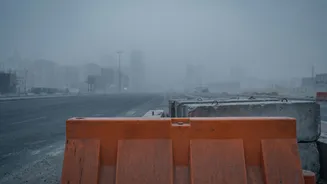
The decision was made on October 21 after Delhi's average AQI jumped sharply from 179 ('Moderate') on October 20 to 244 ('Poor') the next day. This reading, the highest in over 100 days, triggered the automatic implementation of Stage 1 measures. Forecasts from the IMD and IITM indicated that the air quality is likely to remain in the 'Poor' category in the coming days, making the intervention necessary to curb further pollution. The CAQM, the statutory body responsible for air quality management in the region, formally invoked the measures across the entire National Capital Region.
Key Restrictions Under Stage 1
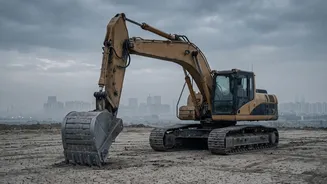
Stage 1 focuses on controlling key sources of pollution before they escalate. For residents and authorities, this means a strict ban on open burning of any waste, including garbage and leaves. Hotels, restaurants, and other eateries are now prohibited from using coal and firewood in tandoors. There are also stringent dust control measures for all construction and demolition activities. Any site larger than 500 square metres must be registered on the government web portal and adhere to dust mitigation norms, like using covered vehicles for transporting debris. Furthermore, authorities will intensify efforts to ensure vehicles have valid Pollution Under Control (PUC) certificates and will take visibly polluting vehicles off the roads.
What This Means for Residents
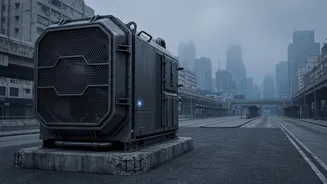
For the average citizen, the implementation of GRAP Stage 1 brings a few immediate changes. Expect stricter enforcement of traffic rules, particularly PUC checks and the existing ban on over-aged diesel (10 years) and petrol (15 years) vehicles. While there is no blanket ban on construction, you may notice more rigorous dust control measures like water sprinkling in your neighbourhood. Use of diesel generators is restricted, primarily reserved for emergencies and essential services. Inter-state buses entering Delhi from neighbouring states must now be electric, CNG, or BS-VI compliant diesel vehicles. These early measures are designed to be preventative and cause minimal disruption while tackling pollution at its source.
What Comes Next?
GRAP is designed to be dynamic. If the air quality continues to decline and enters the 'Very Poor' category (AQI 301-400), the CAQM will enforce Stage II. This would bring even tougher measures, such as a ban on the use of diesel generators for most purposes and increased parking fees to discourage private transport. Should the situation escalate to 'Severe' or 'Severe+', much stricter actions like a halt on most construction activities and restrictions on vehicle entry into Delhi could be implemented. The CAQM will continuously monitor the situation and weather forecasts to decide if further action is needed.