







The Hidden Dangers of Balcony Moisture
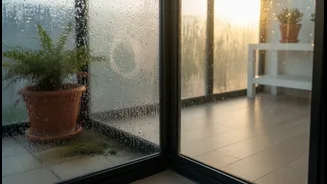
When a balcony enclosure isn't properly ventilated, the high humidity of the monsoon gets trapped inside. This creates a perfect breeding ground for problems that go far beyond a musty smell. Trapped moisture can lead to the growth of mould and mildew,
which can trigger allergies and respiratory issues. Aesthetically, it can cause paint to bubble and peel off the walls and ceiling. Over time, persistent dampness can damage furniture, warp wooden door frames, and even compromise the structural integrity of the balcony itself by seeping into concrete and causing cracks. Recognising these risks is the first step toward maintaining a healthy living space.
Start With a Thorough Inspection
Before taking action, understand your balcony's weak points. Look closely at the seals around windows and panels. Are there any visible gaps or cracked caulking where water could enter? Examine the flooring for any cracks, however small, as these can allow water to seep in. Pay special attention to the corners and where the balcony floor meets the building wall, as these are common areas for water intrusion. Also, check any drainage outlets to ensure they are clear of leaves and debris, as blockages can cause water to pool. Document any significant cracks, stains, or peeling paint with photos to share with your landlord.
Champion Air Circulation
The most effective weapon against humidity is consistent airflow. Stagnant, humid air is the primary cause of moisture buildup. As a renter, you can easily improve ventilation without any permanent changes. On dry or less humid days, open the enclosure's windows or doors for a few hours to let fresh air circulate. Creating cross-ventilation by opening a window on the opposite side of your apartment can significantly speed up this process. A simple standing or pedestal fan, placed in the balcony and aimed outwards, can also help push damp air out. The goal is to keep the air moving, preventing moisture from settling on cool surfaces and condensing.
Use Moisture Absorbers and Dehumidifiers
For enclosed spaces with persistent dampness, active dehumidification is a great renter-friendly solution. Commercially available moisture-absorbing products, which often use silica gel or calcium chloride, are inexpensive and effective for smaller spaces. Place them in corners or near wardrobes to draw moisture from the air. For more significant humidity problems, a portable electric dehumidifier is a powerful tool. These appliances pull moisture directly from the air, collecting it as water that you can easily discard. When using one, ensure the balcony enclosure is closed off from the outside to prevent the device from trying to dehumidify the entire neighbourhood.
Arrange Furniture and Belongings Wisely
How you arrange your balcony can either help or hinder your fight against moisture. Avoid pushing furniture directly against the walls, as this traps a pocket of stagnant air where mould can grow. Try to leave a gap of a few inches for air to circulate. If you store items on the balcony, use plastic, water-resistant containers instead of cardboard boxes, which absorb moisture and can quickly become mouldy. Opt for furniture made from materials that withstand damp conditions, like resin wicker, plastic, or properly sealed metal, rather than untreated wood. Keeping the space uncluttered is key to maintaining good airflow.
When to Notify Your Landlord
As a tenant, you are responsible for ventilation and basic upkeep, but structural issues are the landlord's responsibility. If your inspection reveals significant problems like large cracks in the concrete, persistent water leakage through walls or window frames, or visible water stains on the ceiling below the balcony, you must inform your landlord immediately in writing. These are not issues you can or should fix yourself. Providing clear photos and a written description of the problem helps your landlord understand the urgency and protects you by creating a record of your communication. While waiting for professional repairs, you can use temporary sealants on minor cracks as a stop-gap measure, but this is not a long-term solution.