






What Exactly Is Ambali?
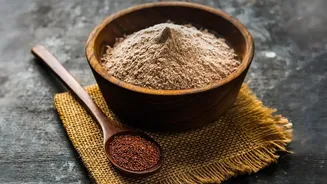
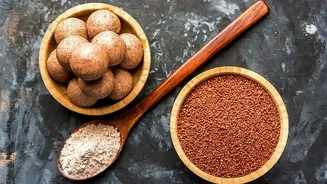
Ambali is a traditional porridge with roots in Southern India, particularly states like Karnataka, Andhra Pradesh, and Telangana. At its core, it is made from finger millet, or ragi, one of India's ancient superfoods. The process is simple yet transformative:
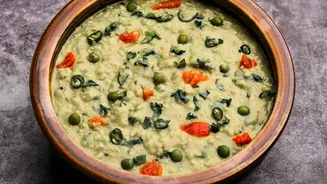
ragi flour is mixed with water, often with a bit of rice, and cooked into a porridge. The crucial step follows: the mixture is left to ferment overnight or for up to 24 hours. This natural fermentation process gives the porridge a distinct, mildly sour flavour and a thin, smooth consistency. Traditionally considered a rustic, cooling food for hot summer months, it can be served savoury with buttermilk, salt, and spices, or sweet with jaggery. For generations, it was a nutritious staple, long before it found its way into city cafes.
A Nutritional Powerhouse Rediscovered
The primary driver of Ambali's trend status is its incredible nutritional profile, which ticks all the boxes for modern wellness enthusiasts. Ragi itself is a powerhouse, naturally gluten-free and packed with essential nutrients. It boasts the highest calcium content of any Indian cereal, making it excellent for bone health. It's also a rich source of iron and dietary fibre. The magic, however, is amplified through fermentation. This process reduces antinutrients like phytic acid, which means the body can absorb more of the minerals like iron and zinc from the millet. But the biggest star of the show is the probiotics created during fermentation.
The Gut Health Connection
Gut health has become a cornerstone of modern wellness, and Ambali is a perfect fit. The fermentation process cultivates beneficial bacteria, or probiotics, which are essential for a healthy digestive system. These live cultures help improve digestion, reduce bloating, and support a balanced gut microbiome, which is linked to stronger immunity. In a world of processed foods, a simple, naturally fermented dish like Ambali offers a direct and effective way to nourish the gut. This makes it far more than just a porridge; it's a functional food that actively supports one of the body’s most critical systems. As consumers increasingly seek out foods that do more than just fill them up, Ambali's gut-friendly properties make it a clear winner.
From Rural Staple to Urban Superfood
For years, Ambali was considered a humble, rural food—something our ancestors ate. Its current resurgence is part of a broader cultural trend in urban India: the rediscovery and celebration of traditional foods. As people look for authentic and sustainable health solutions, they are turning away from imported 'superfoods' and looking towards their own culinary heritage. This “return to roots” movement sees value in the time-tested wisdom of traditional Indian diets. Ambali's journey from a farmer's breakfast to a premium item on a cafe menu reflects a powerful shift in perception. It is being rebranded from “poor man’s food” to a coveted wellness product, appreciated for its simplicity, nutritional density, and deep cultural origins.
The Perfect Fit for Cafe Culture
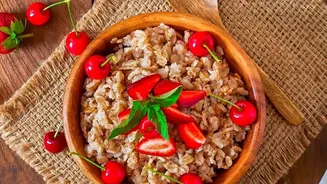
Wellness cafes are at the forefront of food trends, and Ambali fits their ethos perfectly. It caters to a customer base that is actively seeking out healthy, gluten-free, and nutrient-dense options. It has a low glycemic index, which helps in regulating blood sugar levels and makes it suitable for diabetics and those managing their weight. The porridge is versatile; cafes can serve it in attractive bowls with modern toppings like fresh fruit, nuts, and seeds, making it visually appealing for a social media-savvy clientele. By placing this traditional dish in a modern, aspirational setting, cafes are not just selling a food item—they are offering an experience that blends ancient wisdom with a contemporary lifestyle.