







What Exactly is E20 Fuel?
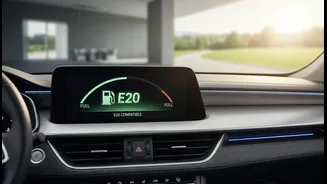
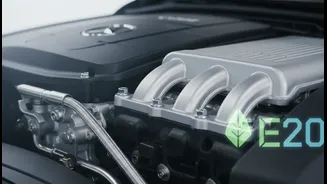
You’ve likely seen the “E20” stickers at petrol pumps. In simple terms, E20 is a blend of 80% petrol and 20% ethanol. Ethanol is a biofuel, typically made from agricultural products like sugarcane or maize in India. The government has mandated this blend nationwide
to reduce the country's reliance on imported crude oil, lower carbon emissions, and support the agricultural sector. Think of it as a greener, more homegrown version of the fuel you’ve always used. This isn't a sudden shift; India has been gradually increasing the ethanol percentage for years, moving from E10 (10% ethanol) to the current E20 standard after extensive testing.
The 'E20 Approved' Advantage
So, how does this affect your new vehicle? Since April 2023, all new cars and two-wheelers sold in India must be ‘E20 compliant’. This means manufacturers have specifically designed them to run smoothly on this fuel. They have used ethanol-resistant materials for fuel lines, gaskets, seals, and other components in the fuel system to prevent corrosion or degradation that could occur in older, non-compliant vehicles. Using E20 in an approved vehicle is perfectly safe and will not damage your engine or void your warranty. In fact, these engines are calibrated to make the most of what E20 has to offer.
How E20 Helps Your Engine
The primary benefit of E20 fuel for a compliant engine is its higher octane rating. Regular petrol has an octane rating of around 91-92, while E20 boosts this to about 95. A higher octane number means the fuel is more resistant to ‘knocking’ or ‘pinging’—uncontrolled combustion that can damage an engine over time. This allows for a smoother, more efficient combustion process. The result is often cleaner engine operation with fewer carbon deposits and potentially better acceleration. The Ministry of Petroleum has highlighted that E20 offers superior anti-knock characteristics and cleaner combustion, contributing to better engine performance in modern vehicles.
Understanding the Trade-Offs
While E20 fuel is beneficial for engine health and the environment, it’s important to be aware of a key trade-off: a slight decrease in fuel efficiency, or mileage. Ethanol contains about 30-34% less energy than petrol by volume. Because of this, your vehicle will burn slightly more E20 fuel to travel the same distance. The government and automotive experts acknowledge a potential drop in mileage of around 3-7% for E20-compliant cars. This is a known characteristic of the fuel and not a sign of a problem with your vehicle. The government's stance is that the benefits of energy security, price stability, and cleaner air outweigh this minor drop in fuel economy.
Your Checklist as a New Buyer
For a young person buying a new vehicle, using E20 fuel correctly is a simple way to practice good ownership from day one. Here’s what to keep in mind: 1. Confirm Compatibility: Any vehicle manufactured after April 2023 is E20 compliant. Look for a sticker on the fuel lid or check the owner’s manual. Major brands like Maruti Suzuki, Hyundai, Tata, Hero MotoCorp, Honda, and others have extensive lists of compliant models. 2. Use Reputable Fuel Stations: Since ethanol can absorb moisture, it's best to fill up at busy, well-maintained petrol pumps. This reduces the chance of getting fuel that has been sitting for too long and potentially absorbed water. 3. Don't Worry About Older Cars: While the focus here is on new vehicles, the Petroleum Ministry has stated that even for older cars, extensive testing has not shown evidence of engine damage from E20, though the mileage drop might be more noticeable. By following these simple steps, you are ensuring your new ride gets the fuel it was designed for, helping protect its engine for the long haul.