





The Pacific's Powerful Influence: El Niño
One of the most significant global climate phenomena affecting India is the El Niño-Southern Oscillation (ENSO), which unfolds in the tropical Pacific Ocean. During an El Niño phase, the surface waters of the eastern and central Pacific become unusually
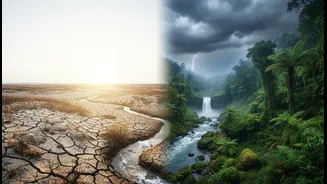
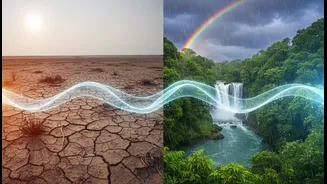
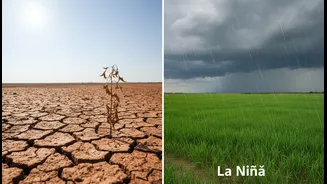
warm. This warming disrupts the normal atmospheric circulation patterns. For India, this typically means a weakening of the trade winds that are connected to the moisture-laden monsoon winds. The result is often a suppressed southwest monsoon, leading to below-average rainfall and a higher probability of drought conditions across many parts of the country. Historically, many of India's most severe droughts have occurred during El Niño years.
La Niña: The Cooler, Wetter Counterpart
La Niña is the opposite phase of ENSO, characterized by cooler-than-average sea surface temperatures in the same region of the Pacific Ocean. This cooling has a contrasting effect on global weather. For India, La Niña conditions are generally favorable, often leading to a stronger-than-normal southwest monsoon. The atmospheric circulation patterns during a La Niña event tend to enhance the winds that bring moisture from the ocean to the subcontinent, resulting in normal or even above-normal rainfall. This can be a boon for agriculture and water reservoirs, although very strong La Niña events can also increase the risk of flooding in some areas.
The Indian Ocean's Own Climate Driver
While the Pacific gets a lot of attention, the Indian Ocean has its own important climate pattern called the Indian Ocean Dipole (IOD), sometimes referred to as the 'Indian El Niño'. The IOD is defined by the difference in sea surface temperatures between the western Indian Ocean (near the Arabian Sea) and the eastern Indian Ocean (near Indonesia). A 'positive' IOD occurs when the western part is warmer than the east. This condition helps drive more moisture towards India, often boosting the monsoon rainfall. Conversely, a 'negative' IOD, with cooler western waters and warmer eastern waters, tends to suppress the monsoon.
When Global Patterns Interact
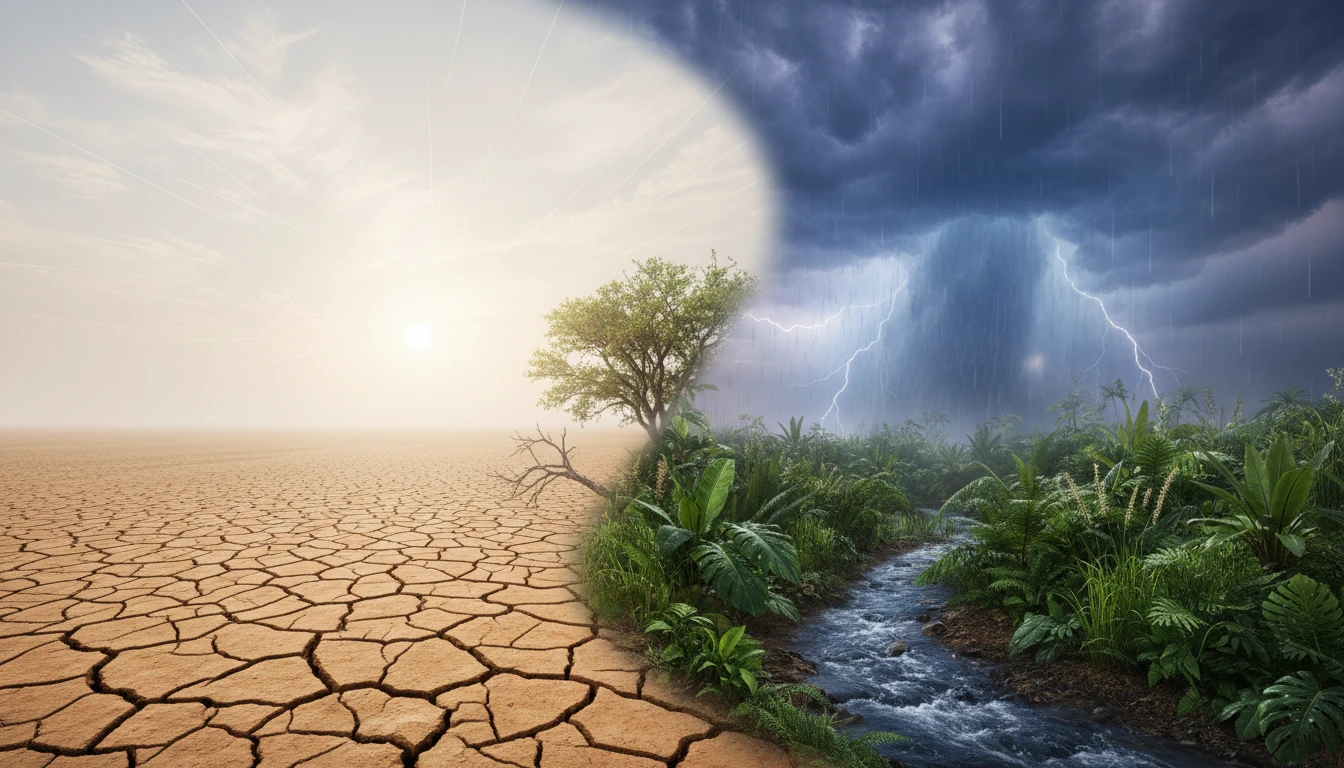
The final outcome of India's monsoon season often depends on the interplay between ENSO and the IOD. These two phenomena can either reinforce or counteract each other. For instance, a strong El Niño (which suppresses rain) occurring at the same time as a negative IOD (which also suppresses rain) can lead to severe drought. However, a positive IOD can sometimes act as a saviour during an El Niño year. The warming in the Arabian Sea from a positive IOD can generate moisture and favourable winds that partially or even fully offset the negative impact of El Niño, leading to near-normal rainfall when a drought might otherwise be expected. This complex interaction makes monsoon forecasting a significant challenge, as forecasters must monitor both oceans simultaneously.
From Climate Science to Daily Life
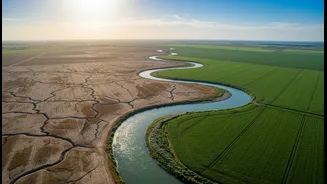
These large-scale ocean patterns have direct and tangible consequences for India. The performance of the monsoon dictates the fate of the crucial kharif crop season, impacting agricultural output, rural incomes, and food inflation. A weak monsoon can strain water resources, affecting drinking water supplies and hydroelectric power generation. In contrast, a strong, well-distributed monsoon replenishes reservoirs and groundwater, supporting the economy. Furthermore, these global patterns influence the frequency and intensity of extreme weather events, from debilitating heatwaves during weak monsoon years to devastating floods when rainfall is excessive. Understanding these connections is therefore vital for everything from agricultural planning to disaster management.