

The New 'Cool' of Conscious Consumption
The rise of thrifting is more than just a shopping trend; it's a cultural statement. For Gen Z and millennials, the decision to buy second-hand is driven by a powerful combination of factors. At the forefront is a growing awareness of fashion's environmental
impact. Confronted with the realities of textile waste and the carbon footprint of fast fashion, many young shoppers see thrifting as a responsible, guilt-free way to refresh their wardrobes. This turn towards a circular economy marks a significant departure from the over-consumption that defined previous fashion cycles. But it's not just about ethics; it's also about economics and identity. With rising costs, thrifting offers an affordable alternative to expensive retail prices, allowing students and young professionals to experiment with their style without breaking the bank. Perhaps most importantly, thrifting is a quest for individuality. In a world of mass-produced garments, pre-loved clothes offer a sense of exclusivity and uniqueness—a chance to own a piece of fashion that tells a story and stands out from the crowd.
The Digital Flea Market on Instagram
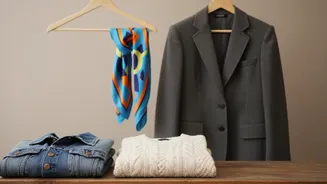
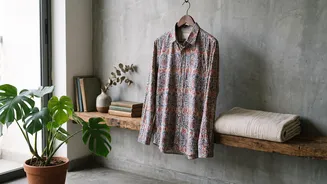
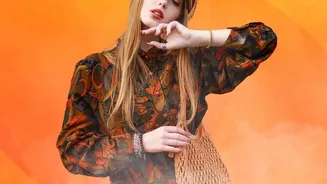
So, where is this treasure hunt happening? Overwhelmingly, online. While physical thrift markets exist in cities like Delhi and Mumbai, the real engine of this movement is social media, particularly Instagram. The platform has become a vibrant, digital flea market, hosting thousands of thrift stores run by enterprising individuals. Many of these stores began as personal projects during the pandemic lockdowns, when people started clearing out their own closets and found a receptive audience online. These online shops operate with a unique, fast-paced rhythm. Curated collections are presented through posts and stories, often in timed "drops" that create a sense of urgency and excitement. Shoppers claim items by being the first to comment "book" or by sending a direct message, turning the shopping experience into a thrilling, fastest-finger-first game. These stores often reflect the personal aesthetic of their owners, featuring everything from vintage denim and Y2K-inspired pieces to rare streetwear and upcycled creations.
More Than a Transaction, It's a Community
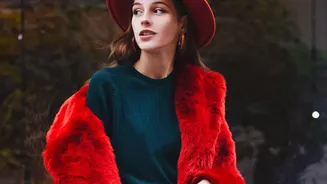
What makes the online thrifting experience so compelling is the sense of community it fosters. Unlike the anonymous nature of e-commerce giants, Instagram thrift stores offer a personal touch. Store owners often share the history of a garment, offer styling tips, and build direct relationships with their customers. This creates a more intimate and trusted shopping environment. Furthermore, the stigma once associated with wearing second-hand clothes is rapidly disappearing among urban youth, replaced by a badge of honour. Flaunting a thrifted find is now a sign of being a conscious and creative consumer. This shift has been bolstered by fashion influencers and celebrities who openly champion pre-loved clothing, normalizing it for a wider audience. The culture is not just about buying; it's also about participating. Many stores allow customers to sell their own pre-loved clothes, creating a truly circular fashion ecosystem.
Challenges and the Road Ahead
Despite its growing popularity, the Indian thrifting market is not without its challenges. Issues like inconsistent sizing, the inability to return items, and the lack of standardized quality checks can be hurdles for shoppers. For sellers, sourcing quality stock is a constant and expensive risk, and an unsold item becomes dead stock. However, these obstacles have done little to slow the momentum. The thrifting movement is seen not as a fleeting trend, but as a fundamental rewiring of the fashion industry's values. As consumers increasingly demand ethical, affordable, and unique clothing, the pre-loved market is poised for continued growth. Some online stores have already transitioned to physical, brick-and-mortar locations, while major e-commerce players are beginning to explore resale options to tap into this conscious consumer base. This suggests a future where second-hand is no longer second-best, but a central part of India's fashion landscape.