


Invest in the Right Cookware
One of the most effective changes you can make is to switch your cookware. Traditional steel or iron kadhais often require a liberal amount of oil to prevent food from sticking. Investing in a high-quality non-stick pan or a well-seasoned cast iron skillet
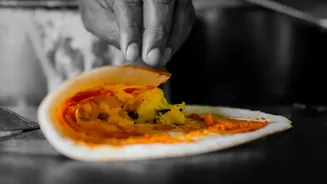
can drastically reduce the oil needed. These surfaces provide an even distribution of heat and prevent ingredients like onions, tomatoes, and spices from burning, allowing you to cook a flavourful sabzi or curry base with as little as one or two teaspoons of oil. For dishes like dosas, cheelas, and tikkis, a non-stick tawa is a game-changer, yielding perfect results with minimal greasing.
Rethink Your Tadka Technique
The 'tadka' or tempering is the heart of many Indian dishes, and it's often where a lot of oil is used. However, flavour comes from blooming the spices in heat, not from the volume of fat. You can achieve a fragrant tadka with much less oil. One method is to dry roast whole spices like cumin, coriander, and mustard seeds in a hot pan until they release their aroma before adding them to the dish. This enhances their flavour naturally. Another approach is to heat a smaller quantity of oil until it's properly hot; a thin, hot layer is just as effective at blooming spices as a large pool of oil. For a nearly oil-free method, you can add spices to a hot pan with a splash of water, allowing them to splutter and release their essence.
Embrace Alternative Cooking Methods
Frying isn't the only way to achieve delicious results. Modern kitchen appliances offer fantastic, healthier alternatives. Air fryers, for example, are brilliant for making traditionally deep-fried snacks like samosas, pakoras, and vadas. They circulate hot air to create a crispy texture with up to 80% less oil. Similarly, baking or grilling are excellent methods for preparing kebabs, tikkis, and even vegetables like brinjal or okra. Instead of deep-frying koftas, try baking or air-frying them before adding them to your gravy. Even steaming is a powerful, zero-oil technique perfect for snacks like dhokla and idli.
Use Water and Other Liquids Smartly
A common habit in Indian cooking is to add more oil when the masala starts sticking to the bottom of the pan. A healthier and equally effective trick is to use a splash of water or vegetable stock instead. This technique, known as deglazing, lifts the browned bits from the pan, prevents burning, and allows the masala to cook evenly without adding extra fat. For gravies, you can also use tomato puree or yogurt to add moisture and thickness. Low-fat milk or coconut milk can lend creaminess to South Indian curries, while pureed steamed vegetables like bottle gourd can thicken North Indian dishes naturally.
Measure Your Oil and Build Flavour Elsewhere
Instead of pouring oil directly from the bottle, which often leads to using more than necessary, get into the habit of measuring it with a spoon. For most everyday dishes like a dry sabzi or dal, one to two teaspoons is often sufficient. An oil mister or spray bottle is another excellent tool for controlled, even application. Focus on building flavour from other sources. Properly caramelising onions until they are deep golden brown creates a natural sweetness and depth that reduces the need for excess oil. Using fresh, high-quality spices, finishing dishes with fresh herbs like coriander, and adding a squeeze of lemon juice at the end can all elevate the taste of your food without increasing its fat content.