







The Rise of a Conscious Trend
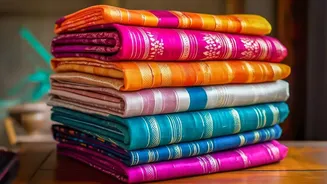
The practice of upcycling is deeply rooted in Indian households, where mothers and grandmothers have long repurposed old fabrics. Today, this tradition has found a powerful new expression. Young people are taking their family's vintage silk sarees—be
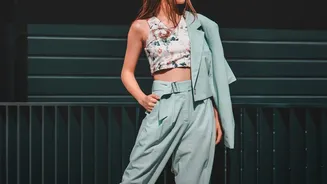
it a rich Banarasi or a delicate Chanderi—and commissioning tailors or specialized design studios to refashion them into chic co-ord sets. This involves creating a matching two-piece outfit, such as a crop top with trousers, a blouse with a skirt, or even a smart jacket and pants set, all from a single six-yard drape. The result is a unique, one-of-a-kind ensemble that carries a personal story, turning a forgotten garment into a conversation starter.
Sustainability Meets Sentimentality
At its heart, this trend is a powerful statement against fast fashion. With the textile industry being a significant contributor to environmental waste, choosing to upcycle is an eco-conscious decision. It aligns perfectly with the values of Gen Z and millennials, who increasingly prioritize sustainability. By giving a vintage saree a new form, they are participating in a circular fashion economy, reducing waste and the demand for new production. But it's about more than just being green. It’s an emotional act that honours family heritage. Each thread of a mother's or grandmother's saree is woven with memories, and transforming it into a wearable outfit keeps that legacy alive in a modern, personal way.
From Family Trunks to Fashion Feeds
Social media has been instrumental in fuelling this trend, with fashion influencers and small, eco-conscious brands showcasing stunning transformations. Instagram and Facebook feeds are filled with before-and-after reels, detailing the journey of a classic saree into a trendy co-ord set. This digital visibility has inspired countless others to look into their own family closets. Brands like Priyanka Raajiv and designers such as Mihika Meena of Laturia are championing this movement, offering services to upcycle fabrics or creating ready-to-wear collections from vintage textiles. This has created a vibrant ecosystem where traditional craftsmanship meets contemporary design, making heritage cool and accessible.
A Style Bridge Between Generations
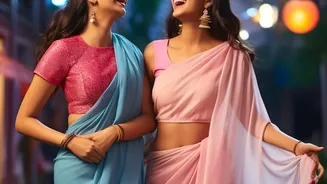
This movement beautifully bridges the gap between traditional aesthetics and modern sensibilities. While a full saree might feel too formal or cumbersome for everyday wear for some younger women, a co-ord set made from the same fabric offers incredible versatility. The top can be paired with jeans, or the skirt with a simple white shirt, creating multiple looks from one upcycled outfit. It allows the wearer to incorporate the luxurious feel and intricate patterns of traditional Indian textiles into their daily wardrobe, whether for a casual brunch or a festive occasion. This fusion ensures that the beauty of heritage weaves is not just preserved but actively celebrated and enjoyed.
How to Create Your Own Saree Co-ord
Inspired to give it a try? The first step is to find a saree. Look for one with fabric that is still in good condition. Minor tears can often be worked around, but the overall textile should be strong. Next, decide on a design. Consider a crop top and palazzo pants, a boxy shirt with a straight-cut skirt, or a waistcoat-style top with trousers. A skilled local tailor can bring your vision to life. Be sure to discuss the placement of the saree’s border and pallu, as these decorative elements can be strategically used to create stunning details on the neckline, sleeves, or hem of your new outfit. For those less inclined to DIY, numerous online brands and bespoke studios now specialise in this very service, offering consultations to create your perfect heirloom outfit.