
Why Bake with Jaggery?
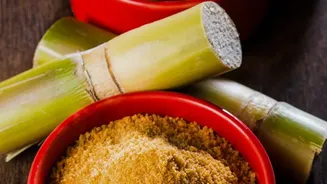
The primary appeal of jaggery, or 'gur', is its deep, earthy flavour with notes of caramel and molasses. Unlike white sugar, which is pure sucrose and only adds sweetness, jaggery brings its own complex character to the final product. Made by concentrating
sugarcane juice without chemical processing, it retains trace minerals like iron, potassium, and magnesium that are stripped away during the refining of white sugar. This minimal processing means you're using a more natural ingredient that adds both flavour complexity and a beautiful golden-brown hue to your bakes.
Choosing the Right Form of Jaggery
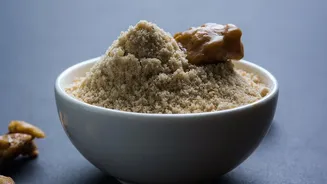
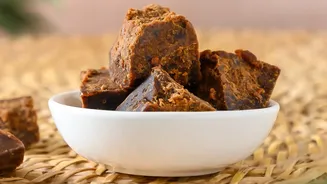
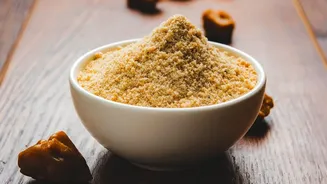
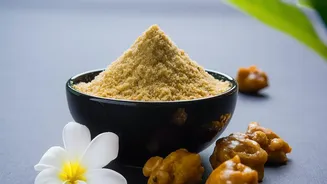
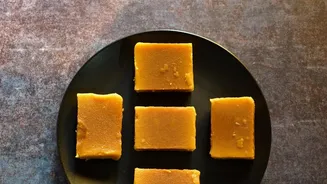
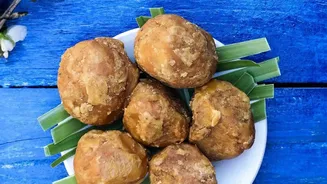
Jaggery is available in several forms, but for baking, jaggery powder is the most convenient choice. It blends easily into batters and doughs, much like brown sugar. Solid blocks of jaggery are also common and need to be grated or melted before use. Liquid jaggery, another variant, can be used but will require adjusting the other liquid ingredients in your recipe to maintain the right consistency. When selecting jaggery, opt for darker colours, which often indicate a higher mineral content and a richer flavour. Lighter, golden-yellow varieties might have been treated with chemical clarificants.
The Golden Conversion Rule
Jaggery is generally considered less sweet than refined white sugar, so a direct 1:1 substitution may leave your dessert tasting a bit flat. A good starting point is to use about 1.25 cups of jaggery powder for every 1 cup of white sugar called for in a recipe. Some sources suggest an even higher ratio of up to 1.5 times the amount of sugar. For brown sugar, however, a simple 1:1 swap usually works well, as their moisture and molasses content are similar. It’s always best to start with a slightly smaller amount and taste your batter, adjusting as you go to suit your preference.
Mastering Moisture and Texture
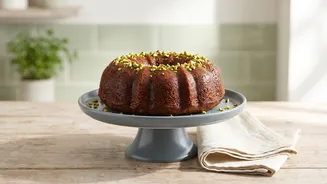
One of the key differences when baking with jaggery is its higher moisture content, thanks to the natural molasses it retains. This property, known as being hygroscopic, means it attracts water, which can result in softer, moister, and denser baked goods. This is a fantastic quality for treats like banana bread, muffins, and fudgy brownies. However, for recipes that require a light, airy crumb or a crisp texture, this extra moisture can be a challenge. You might notice cakes don't rise as much. Jaggery will also impart a darker colour, so it's better suited for chocolate, spice, or fruit cakes rather than a classic vanilla sponge.
Best Bakes for Jaggery Beginners
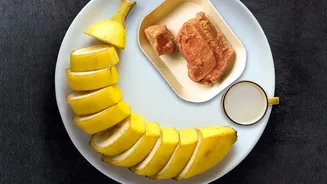
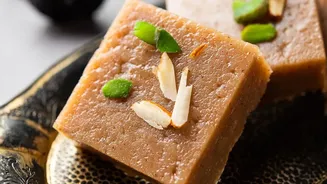
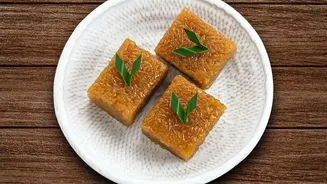
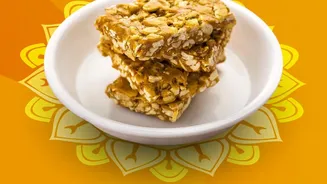
If you're new to baking with jaggery, start with recipes that are forgiving and complement its rustic flavour. Dense, moist cakes like banana bread or carrot cake are excellent choices. Muffins, cookies (especially those calling for brown sugar), and brownies also work beautifully. Traditional Indian sweets that are often made with jaggery, such as kheer, ladoos, and halwa, are naturally suited for this sweetener. These recipes embrace the caramel notes and dense texture that jaggery provides.
Tips for Success
To ensure a smooth baking process, always sift jaggery powder with your other dry ingredients to prevent lumps. If using a solid block, grate it finely to help it dissolve evenly into the batter. When making custards or milk-based desserts like payasam, be careful with heat. Adding jaggery to boiling milk can sometimes cause it to curdle. A safer method is to take the milk off the heat before stirring in the jaggery until it dissolves. Finally, remember that jaggery is still sugar and should be consumed in moderation.