



What Exactly Is Nordic Walking?
At its core, Nordic walking is an enhanced form of walking that uses specially designed poles to work your upper body as well as your legs. Originally developed in Finland as a summer training method for cross-country skiers, it transforms a simple walk into
a whole-body workout. Unlike trekking poles used for stability in hiking, Nordic walking poles are used to propel you forward. This active pushing motion is what engages around 90% of your body's muscles, making it far more comprehensive than a regular stroll.
The Low-Impact Fitness Revival
So why is this Finnish exercise trending now? Its revival is tied to a broader shift towards wellness that values sustainability and accessibility. People are increasingly seeking low-impact workouts that deliver results without the high risk of injury associated with more intense activities. Nordic walking is praised by doctors and physiotherapists for this very reason. It offers a robust cardiovascular workout and burns significantly more calories than regular walking, but the poles help distribute the load, reducing stress on the knees, hips, and back. This makes it an ideal activity for people of all ages and fitness levels, from those with health concerns to seasoned athletes.
More Than Just a Walk
The benefits extend beyond simple fitness. Research has linked regular Nordic walking to improved heart health, better posture, increased muscle strength, and enhanced balance. The rhythmic, coordinated movement can be meditative, and studies have shown it can improve mood and reduce symptoms of depression and anxiety. By engaging the core and upper back muscles, it actively counters the slouching posture many of us develop from sitting at desks. It's a holistic activity that benefits the mind as much as the body.
Getting the Form Right from Day One
The secret to unlocking these benefits lies in the technique. While it’s easy to learn, proper form is crucial. The basic movement involves a natural, cross-lateral pattern: as your right leg steps forward, your left arm swings forward to plant the pole, and vice versa. The poles should be planted at an angle, roughly between your feet, to create forward propulsion. A common beginner mistake is planting the poles too far in front like a brake, or walking with the arm and leg on the same side moving together. Focusing on a relaxed arm swing from the shoulder, not the elbow, and maintaining an upright posture are key.
Your First Steps: Equipment and Technique
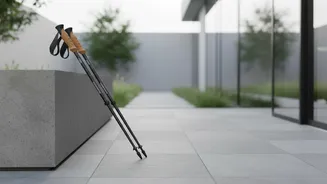
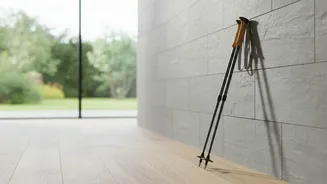
Getting started is simple. The only essential equipment is a pair of Nordic walking poles, which differ from hiking poles primarily due to their glove-like strap system. This strap allows you to push off through the strap itself, opening your hand on the backswing, which is a core part of the technique. Poles should be the correct height—a common rule of thumb is that your elbow should be at a 90-degree angle when holding the pole upright. Many instructors recommend starting with a short lesson to avoid common mistakes, such as gripping the poles too tightly or hunching over.