

From Stacked Steel to Smart Compartments
For generations, the vertically stacked stainless steel tiffin, or 'dabba', has been a non-negotiable part of daily life in India. It’s a symbol of love, carrying home-cooked meals from kitchens to offices and schools, famously facilitated by Mumbai's
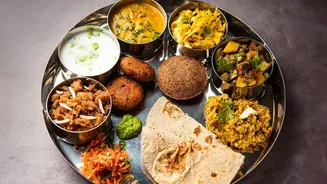
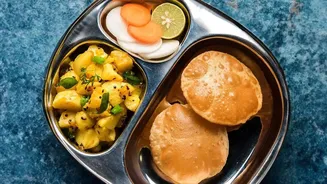
dabbawalas. These containers are durable, eco-friendly, and perfectly designed for a traditional Indian meal of roti, sabzi, dal, and rice. However, as work culture, eating habits, and daily commutes evolve, the limitations of the classic design are becoming apparent. Long commutes require sleeker bags, and modern meals often include salads, yogurt, or non-traditional items that don't fit well in the stacked format. The need for a more versatile solution has paved the way for a new kind of lunch box.
The Rise of the Indian Bento
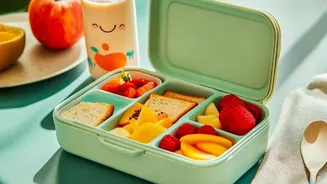
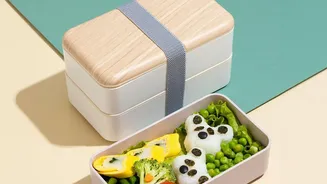
Enter the bento-style lunch box. Originally a Japanese concept, the bento is a single-portion meal packed in a box with multiple compartments. This format is gaining immense popularity in urban India for several reasons. The primary appeal is its modularity; separate sections keep different food items from mixing, preserving their texture and flavour. This is perfect for the Indian palate, which enjoys distinct flavours in a single meal. Modern materials like BPA-free plastic and borosilicate glass also mean these boxes are often leak-proof, microwave-safe, and lightweight—addressing many of the practical issues with traditional steel dabbas.
A Health-Conscious Choice
The shift towards modular lunch boxes is also deeply connected to a growing wellness trend. Increased awareness around mindful eating and nutrition has led many to seek better portion control and balanced meals. Bento boxes, with their pre-portioned compartments, make this incredibly easy. A common approach follows a 4:3:2:1 ratio: four parts carbohydrates (like rice or roti), three parts protein (dal, paneer, or chicken), two parts vegetables, and one part for a pickle, salad, or fruit. This structure encourages a diverse, colourful, and nutritionally complete meal, helping to avoid the post-lunch slump and promoting better eating habits overall.
Packing Your Modern Indian Tiffin
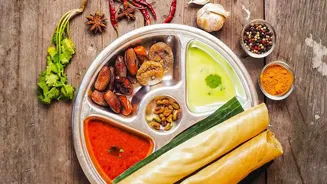
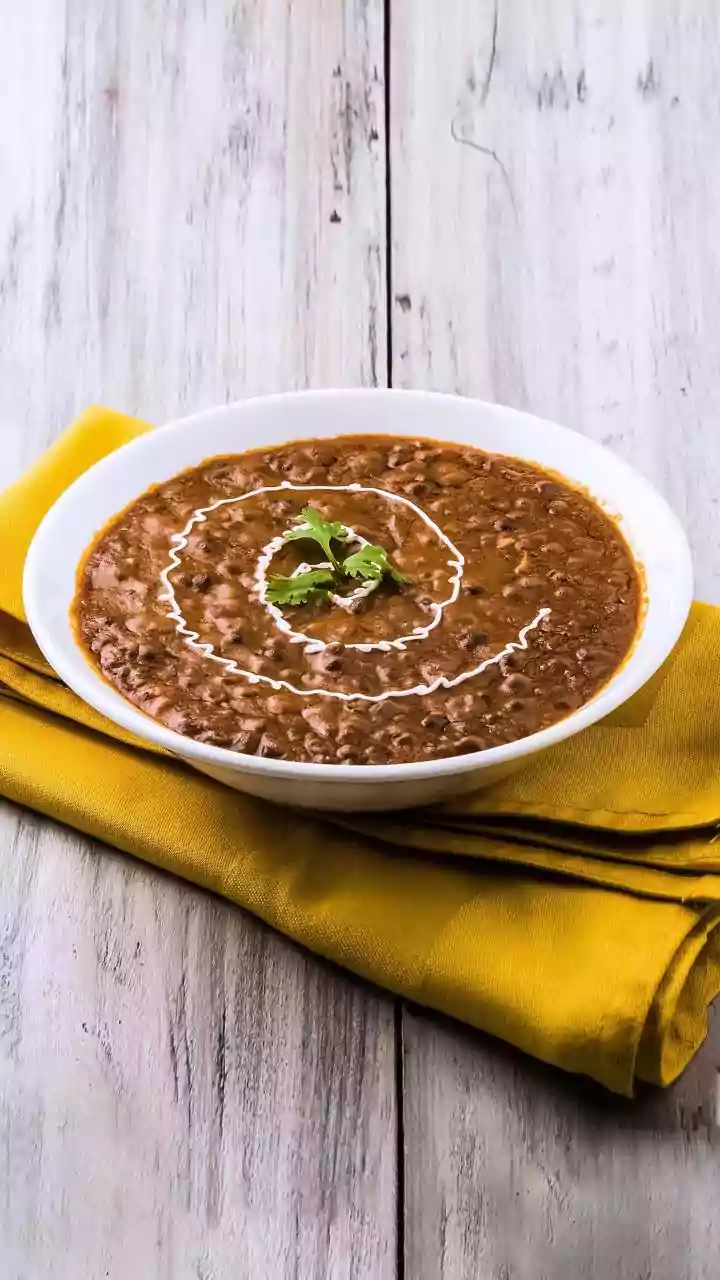
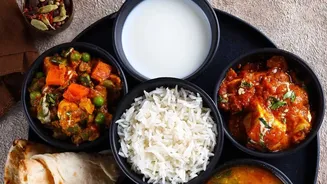
The beauty of the Indian bento is its versatility. It effortlessly accommodates the sheer variety of Indian cuisine. Imagine a lunch box with jeera rice in one compartment, a rich dal makhani in another, a dry vegetable stir-fry like bhindi masala in a third, and a cooling cucumber raita in the smallest section. Another day, it could be mini-uttapams with coconut chutney, a small portion of tamarind rice, and a fruit salad. Even roti-based meals get an upgrade; you can pack roti rolls, a flavourful sabzi, a protein-rich chana salad, and a sweet treat like a piece of barfi, all without anything getting soggy or mixed up. The possibilities are endless, making lunchtime an exciting and visually appealing experience.
More Than Just a Lunch Box
This evolution is more than just a change in containers; it reflects a broader cultural shift. It showcases the fusion of global trends with Indian traditions, where the core value of a home-cooked meal remains, but its presentation adapts to a new reality. For working mothers and health-conscious professionals, the modular box is a tool for ensuring nutritious, appealing meals for their families and themselves. The aesthetic appeal also plays a role; in the age of social media, a well-organised, colourful bento box is highly shareable. This trend is not about replacing the beloved tiffin but about expanding the definition of what a lunch box can be—a practical, stylish, and healthy companion for modern Indian life.